Switching to Natural Deodorant — A 4-Week Plan for Sensitive Skin
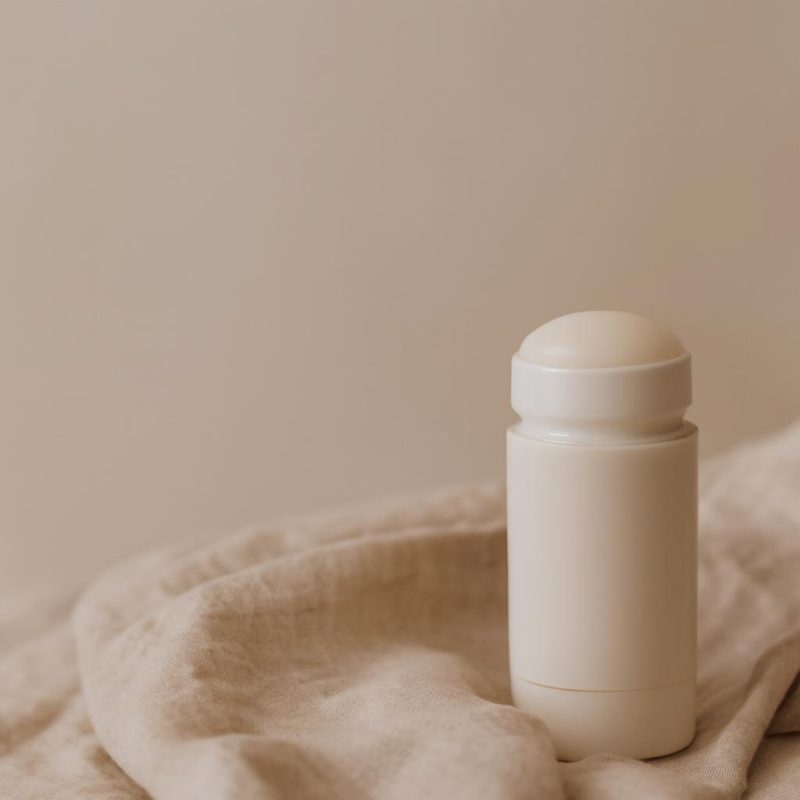
Switching to a natural deodorant can be a refreshing step towards gentler and more transparent body care. This natural approach often requires adjustment — that's why we provide a clear plan for transitioning to natural deodorant, guiding you through each phase and specifically tailored for sensitive skin.
Over the next four weeks, we will explain the phases of transitioning to natural deodorant, how to conduct an underarm detox, and practical steps for morning and evening routines to minimize irritation and maintain freshness without harsh ingredients.
Contents
- Why Choose Natural Deodorant
- What to Expect: Phases of Switching to Natural Deodorant
- A 4-Week Plan for Sensitive Skin
- Underarm Detox – How and Why
- How to Reduce Irritation and Provide Gentle Care
- Step-by-Step Routine (Morning and Evening)
- Common Mistakes When Switching
- Quick Product Recommendations (from AlmaDerm)
- FAQ
Why Choose Natural Deodorant
Natural deodorants aim to neutralize odor and control moisture without using synthetic fragrances, parabens, or aluminum. For those with sensitive skin, this means a lower risk of stinging and redness. The goal is not to promise a cure but to offer a gentler choice for everyday hygiene and comfort.
What to Expect: Natural Deodorant Phases
When transitioning, there are often distinct phases of adjustment. It's good to know them in advance to stay patient and adjust expectations:
- First Phase — Adjustment: changes in odor and increased sweating as the skin and microbiome align.
- Second Phase — Detox: excess residue and remnants of old products surface; mild stinging may occur for sensitive individuals.
- Third Phase — Stabilization: odor decreases, and the skin gradually accepts the new product.
- Maintenance — once the microbiome stabilizes, only gentle care and regular hygiene are needed.
A 4-Week Plan for Sensitive Skin
The plan for transitioning to natural deodorant is developed weekly, with clear steps and options if irritation occurs.
Week 1 — Preparation and Reducing Irritants
- Days 1–3: Stop using aluminum-based antiperspirants. Shower with lukewarm water, gently dry your underarms, and apply a thin layer of natural deodorant.
- Days 4–7: Limit perfumes and products with strong scents; choose a mild soap without sulfates.
Week 2 — Beginning Underarm Detox
- Use natural deodorant 1–2 times a day. If discomfort occurs, reduce to one application and allow the skin to rest after showering.
- Introduce gentle exfoliation once a week (soft brush or mild scrub) to remove residue.
Week 3 — Adjustment and Monitoring Reactions
- If irritation is present, test the product on a small area of skin and use a moisturizing cream or soothing gel after showering.
- Stay hydrated and choose clothing made from natural materials that allow the skin to breathe.
Week 4 — Routine Stabilization
- Use natural deodorant regularly, but adjust the amount according to activities and temperature.
- If everything is fine, stick with the chosen product; if not, consider a formulation without baking soda or with additional soothing extracts.
Underarm Detox — How and Why
Underarm detox helps remove residues of antiperspirants and heavier chemical substances that can irritate the skin or alter the microbiome. It is not a medical treatment but a care routine that includes:
- Warm compress before showering 2–3 times a week to soften residue.
- Gentle scrub or soft brush to remove surface residues.
- Moisturizing or soothing care after detox (aloe vera, St. John's wort, or lanolin in small amounts, if no reaction occurs).
How to Reduce Irritation and Provide Gentle Care
Sensitive skin requires prevention: less is more. Here are practical tips on how to reduce irritation:
- Avoid depilation immediately before starting the transition; if depilation is necessary, do it at least 48 hours before the first use of the new product.
- Choose a product without alcohol and with reduced or no baking soda if you are prone to stinging.
- Use cold or lukewarm compresses if redness occurs.
- Hydration and gentle cream after showering can help preserve the skin barrier.
- Test a new product on a small area before wider use.
Step-by-Step Routine (Morning and Evening)
This is a complete routine for sensitive skin — simple, clear, and practical.
Morning Routine
- Shower: use lukewarm water and mild soap without sulfates; focus on cleaning underarms without aggressive scrubbing.
- Gently dry: pat with a towel, do not rub vigorously.
- Apply natural deodorant in a thin layer — start with a small amount and gradually increase if needed during the day.
- Dressing: choose cotton or breathable clothing; avoid synthetic materials that retain moisture.
Evening Routine
- Remove product: thoroughly rinse underarms with lukewarm water and mild soap in the evening to remove daily buildup.
- Exfoliate as needed: perform gentle exfoliation or brushing once a week before showering.
- Soothing care: apply a thin layer of soothing cream (e.g., St. John's wort cream, if the skin does not react) or aloe vera gel.
- Rest the skin: let underarms breathe overnight; avoid applying products right before bed if you have a reaction.
Common Mistakes When Switching
- Expecting instant results — the transition requires time and patience.
- Overusing products in an attempt to "quickly" reduce odor.
- Ignoring underarm detox and skipping care after exfoliation.
- Changing too many products at once (perfumes, soaps, deodorants).
- Using products with harsh ingredients like alcohol or high concentrations of baking soda without prior testing.
- Inadequate drying of underarms after showering, which increases irritation.
- Depilation immediately before introducing a new deodorant — this increases sensitivity.
- Inappropriate clothing (synthetics that retain moisture).
Quick Product Recommendations (from AlmaDerm)
- St. John's Wort Cream 50ml — a soothing option after detox; natural extracts are known for their soothing properties for the skin.
- Hyaluronic Cream with Argan 50ml — for hydration and restoring the skin barrier after irritation.
- Cream with Lavender, Immortelle, and Argan Oil 50ml — a gentle, fragrant option to soothe the skin after showering.
- Retinol + Vitamin E Night Cream 50ml — for nighttime facial care, useful if you have problematic areas that require regeneration.
- Collagen + Cream 50ml — supports hydration and skin protection during the day.
FAQ
How long does underarm detox last?
The duration of detox varies: for some people, it lasts 1–2 weeks, and for sensitive skin, up to 4 weeks. It's important to monitor reactions and reduce intensity if strong irritation occurs.
Will natural deodorant stop sweating?
Natural deodorants are not antiperspirants and do not block sweating; their goal is to neutralize odor and absorb mild moisture. It's a natural body process and a normal way of thermoregulation.
What if the new formula stings?
Discontinue use and rinse the area with lukewarm water. Test the product on a small area of skin and consider formulas without baking soda or fragrance-free.
How often should I do underarm detox?
You can do detox occasionally, e.g., once a month, or as needed when you notice residue or increased odor retention. Avoid overdoing intense treatments to prevent irritation.
What ingredients are good for sensitive skin?
Look for ingredients like aloe vera, St. John's wort, hyaluronic acid, and argan oil. Avoid alcohol, strong fragrances, and high concentrations of baking soda until you know how your skin reacts.
Note: This article provides care tips and general guidelines. It does not replace professional medical advice. If you have severe irritation, infection, or persistent symptoms, consult a dermatologist.