How to Use Coconut and Avocado to Hydrate Dry Skin This Autumn
After summer sun, sea salt, air conditioning, and travel, autumn is the season when dry skin often starts to feel tight, dull, and less comfortable. As temperatures shift and humidity drops, the skin’s natural moisture barrier needs a little extra support before colder days arrive.
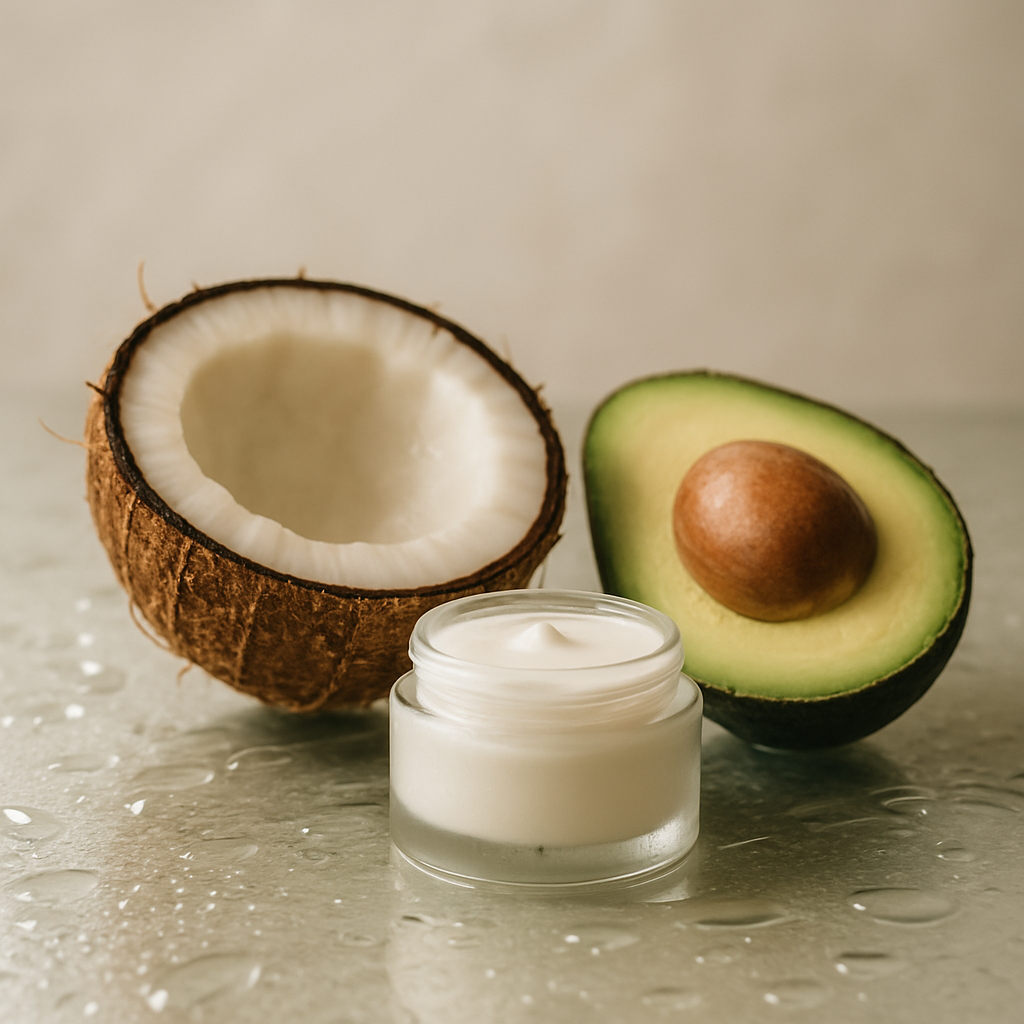
Coconut and avocado are two beloved natural ingredients for dry-looking skin. Coconut helps soften and protect against moisture loss, while avocado is rich in nourishing lipids that can leave the skin feeling supple. The key is using them thoughtfully: not too much, not too often, and always according to your skin type.
Below is a practical, luxury-inspired but minimalist guide to using coconut and avocado for hydration, with simple routines for busy mornings, sensitive skin, mature skin, and autumn recovery.
Table of Contents
Why Dry Skin Needs Autumn Care
Autumn is a transition season. Your skin is moving from summer exposure into a period of cooler air, indoor heating, and in many regions, lower humidity. In the UAE and other warm climates, the change may feel subtle outdoors, but air conditioning, frequent cleansing, and dehydration can still make the skin feel dry and fragile.
Dry skin is not only about a lack of water. Often, it is also about how well the skin holds onto hydration. That is why autumn skincare should combine hydration, nourishment, and protection. Think of it as preparing your skin’s comfort layer before winter: gentle cleansing, replenishing moisture, and sealing with a richer cream when needed.
Coconut and Avocado: What They Do for Dry Skin
Coconut oil is known for its rich, emollient feel. It helps soften rough patches and gives the skin a smoother surface. In well-balanced formulas, coconut can be especially comforting for areas that become dry in autumn, such as cheeks, elbows, hands, and legs.
Avocado, on the other hand, is naturally rich in fatty acids. When used as a fresh mask, it can give the skin a soft, nourished feeling. It is best treated as an occasional boost rather than a daily product, especially if your skin is sensitive or prone to clogged pores.
The ideal approach is simple: use avocado occasionally as a short-contact mask, then follow with a balanced cream. For daily care, a formulated product such as a coconut-rich moisturizing cream for face and body is easier to control than applying raw oils directly to the skin.
The 3-Step Minimalist Routine for Dry Skin
If you want a short, effective routine, focus on consistency rather than complexity. This 3-step autumn routine works well for many people with dry or tight-feeling skin.
Step 1: Cleanse gently
Use a mild cleanser and lukewarm water. Avoid hot water, strong foaming products, and aggressive scrubbing, especially after summer when the skin may already feel depleted. Pat dry instead of rubbing with a towel.
Step 2: Hydrate and nourish
Apply your moisturizing step while the skin is slightly damp. This helps the cream spread more easily and supports a comfortable finish. If your skin feels very dry, choose richer textures at night and lighter layers during the day.
Step 3: Seal and protect
In the morning, do not skip sun protection just because it is autumn. UV exposure is present year-round, including on cloudy days and through daily commuting. A ready-made routine such as the daytime hydration and SPF essentials set can help simplify mornings when you want hydration, care, and protection in fewer steps.
Short Routines by Skin Type and Lifestyle
Natural skincare should feel personal. Here is how to adapt coconut and avocado-inspired care to different needs without building a complicated shelf.
For sensitive, dry skin
Keep it calm and minimal. Use avocado only as a brief mask once every 10 to 14 days, and always patch test first. For daily comfort, choose soothing botanical care such as a lavender, immortelle, and argan oil cream, especially when the skin looks easily stressed by weather changes.
For mature or dehydrated-looking skin
Focus on moisture retention and radiance. Use a nourishing cream morning and evening, and add SPF daily. Mature skin often appreciates richer evening textures, especially in autumn when the complexion can look dull after summer.
For busy professionals
Choose a fast routine: cleanse, moisturize, SPF. At night, apply a richer cream to the face, neck, and hands. If you travel often or spend long hours in air-conditioned offices, keep your routine portable and repeatable rather than adding too many actives.
For very dry body skin
Coconut-based care can be beautiful for the body. Apply cream immediately after showering, when the skin is still slightly damp. Pay attention to shins, elbows, knees, and hands, which often become drier as autumn progresses.
How to Use Avocado Safely at Home
Avocado can be used as an occasional homemade mask, but freshness and hygiene matter. Mash a small amount of ripe avocado into a smooth paste and apply a thin layer to clean skin for 5 to 10 minutes. Rinse gently with lukewarm water and follow with your regular cream.
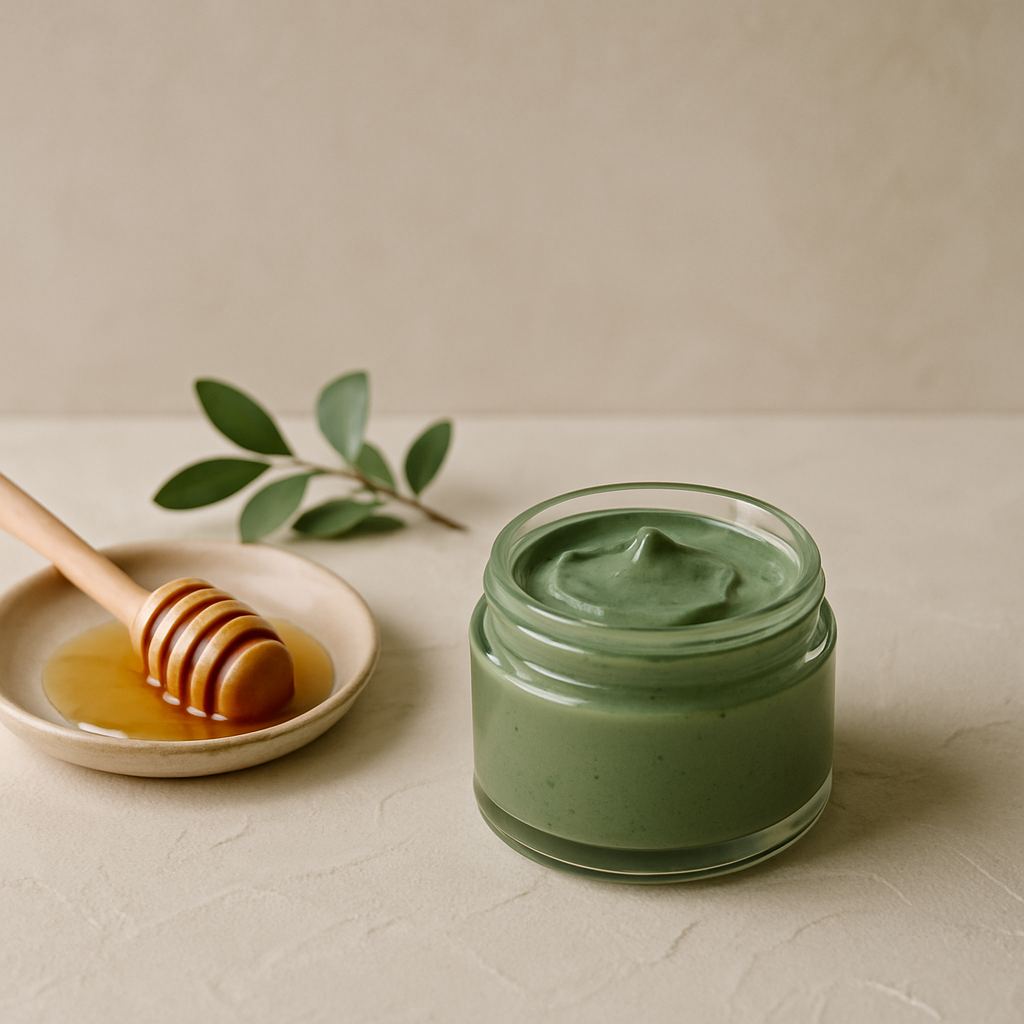
If your skin is reactive, avoid mixing avocado with lemon juice, baking soda, essential oils, or strong exfoliants. These combinations may feel “natural,” but they can be too intense for dry or sensitive skin. Keep it simple: avocado alone, or avocado with a small amount of plain honey if your skin tolerates it.
Use fresh avocado immediately and discard leftovers. Homemade masks do not contain preservatives, so they should never be stored for later facial use. If you experience persistent irritation, flaking, itching, or discomfort, consult a dermatologist for personalized advice.
How to Pair Natural Ingredients with AlmaDerm Care
AlmaDerm’s philosophy is rooted in natural care inspired by Bosnia & Herzegovina’s botanical heritage and Mediterranean ingredients. For dry autumn skin, the goal is not to overload the face, but to choose textures that support comfort and a healthy-looking glow.
If coconut is your favorite ingredient, a formulated cream is the most practical daily option. The nourishing coconut cream with shea butter is suitable for face and body and can be used on dry areas that need extra softness.
If your main concern is post-summer dullness or a tired-looking complexion, consider a more complete routine. The premium natural facial care set brings together cleansing, a mask, serum, and hydration in one ritual, making it useful for those who want structure without guessing every step.
For daytime, especially in sunny climates, protection matters even in autumn. The minimal morning collagen and SPF routine is a good option for people who prefer a clear sequence: cleanse, serum, cream with SPF.
Common Mistakes
Even the best natural ingredients can disappoint when used incorrectly. Avoid these common mistakes when caring for dry skin with coconut and avocado.
- Using raw coconut oil on the face every day: For some skin types, this can feel heavy. A balanced cream is often more comfortable.
- Leaving avocado masks on too long: Ten minutes is usually enough. Longer does not always mean better.
- Applying cream to completely dry skin: Slightly damp skin helps moisturizers spread and feel more effective.
- Skipping SPF in autumn: UV exposure continues all year, especially in sunny regions.
- Over-exfoliating dry skin: Scrubbing can make dryness look worse and may disturb comfort.
- Mixing too many kitchen ingredients: Lemon, spices, and essential oils can be irritating, especially on sensitive skin.
- Ignoring the neck and hands: These areas often show dryness early and deserve the same care as the face.
FAQ
Can I use coconut and avocado together for dry skin?
Yes, but keep it simple. Use avocado as an occasional short mask, then follow with a coconut-based or nourishing cream to help soften and comfort the skin. Avoid applying too many rich layers if you are prone to clogged pores.
How often should I use an avocado face mask?
For most dry skin types, once a week is enough. Sensitive skin may prefer once every 10 to 14 days. Always patch test before applying any homemade mask to the face.
Is coconut cream suitable for both face and body?
A well-formulated coconut cream can be used on both face and body if your skin tolerates richer textures. Apply a small amount first, especially on the face, and increase only if your skin feels comfortable.
What is the best autumn routine for dry skin?
A minimalist autumn routine includes gentle cleansing, a nourishing moisturizer, and daily SPF in the morning. At night, use a richer cream on dry areas and add an occasional avocado mask when the skin needs extra softness.
Should I see a dermatologist for dry skin?
If dryness is persistent, painful, itchy, cracked, or suddenly worsening, it is best to consult a dermatologist. Skincare can support comfort and appearance, but professional guidance is important for ongoing concerns.
Final Note
Coconut and avocado can be a beautiful autumn pairing for dry skin when used with balance. Let avocado be your occasional nourishing boost, and let carefully formulated natural creams provide daily comfort, softness, and protection as the weather changes. Listen to your skin, keep your routine minimal, and seek dermatological advice whenever dryness feels persistent or uncomfortable.