After summer sun, sea, air conditioning, and frequent showers, the skin on the body often enters autumn feeling dry, tight, or uneven in texture. As the weather changes, humidity can drop and cooler air may make the skin feel less comfortable, especially on the legs, arms, elbows, and hands.
The solution does not have to be a complicated routine. Argan oil is a luxurious natural oil that helps nourish the skin, support softness, and reduce the feeling of dryness by locking in moisture after bathing. Used correctly, it can become the key step in a short, effective autumn body care ritual.
In this guide, we explore how argan oil contributes to body hydration, how to layer it, and how to choose a minimalist routine based on skin type, age, and lifestyle.
Table of Contents
Why Autumn Skin Feels Dry
Autumn is a transition season. Your skin may still be recovering from summer while preparing for colder, drier days. Sun exposure can leave the skin feeling rough or dehydrated, while wind and temperature changes may make the skin barrier feel more fragile.
Many people also switch to hotter showers in autumn, which can remove natural oils from the skin. If you then skip body care because mornings are busy, dryness becomes more noticeable. The problem is not always lack of oil alone; it is often a lack of water in the skin combined with poor moisture retention.
This is where argan oil becomes valuable. It does not replace water-based hydration, but it helps seal comfort into the skin when applied at the right moment. The best time is immediately after bathing, while the skin is still slightly damp.
How Argan Oil Supports Hydration
Argan oil is rich in nourishing lipids and vitamin E, giving it a naturally silky texture that supports softness and suppleness. In body care, its main benefit is helping reduce transepidermal water loss, meaning it assists the skin in holding onto moisture for longer.
Think of hydration in two layers. First, the skin needs water or humectants, such as those found in hydrating creams. Second, the skin benefits from an oil or emollient layer that makes it feel smoother and more protected. Argan oil belongs to this second category: it is a moisture-sealing, skin-conditioning step.
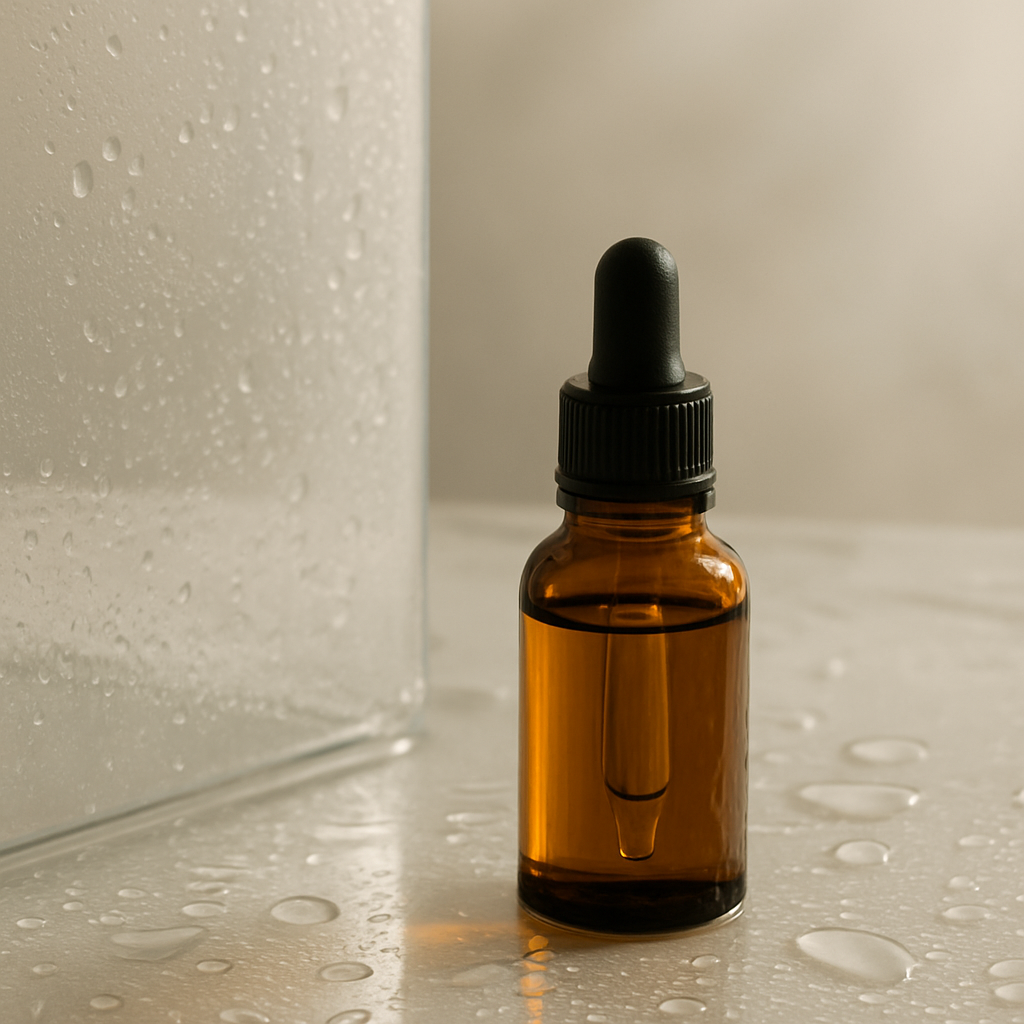
For a simple, natural option, AlmaDerm offers pure cold-pressed argan oil for skin and hair, a versatile choice for body areas that feel dry, rough, or in need of extra softness. It can be used alone on damp skin or layered over a body-friendly cream.
Because argan oil is lightweight compared with many heavier oils, it works well for people who want a nourished finish without a greasy feel. Still, every skin is individual. If you are prone to irritation, patch test first and consult a dermatologist for persistent dryness, eczema-like symptoms, or unexplained sensitivity.
A 3-Step Minimalist Routine for Autumn Body Hydration
A luxury skincare routine does not need many products. The most consistent routine is usually the one you can repeat daily. For autumn, focus on gentle cleansing, moisture, and sealing.
Step 1: Cleanse gently
Use lukewarm water rather than hot water. Avoid over-scrubbing, especially if the skin already feels tight. Autumn is the season to preserve the skin barrier, not strip it.
Step 2: Apply hydration while skin is damp
After showering, pat the skin dry but leave a little moisture. If your skin feels very dry, apply a cream first to add comfort. For areas that need both soothing and nourishment, the natural lavender, immortelle, and argan cream for face and body is a beautiful option because it combines botanical oils with a rich, comforting texture.
Step 3: Seal with argan oil
Warm a few drops of argan oil between your palms and press or massage it into the skin. Focus on shins, elbows, knees, shoulders, hands, and any areas affected by summer dryness. Use less than you think you need; you can always add more.
How to Choose the Right Routine by Skin Type, Age, and Lifestyle
Argan oil is versatile, but the best way to use it depends on your skin and your day. Here are simple autumn routines for different needs.
For dry or mature skin
Dry or mature skin often benefits from layering. Use a hydrating cream first, then argan oil on top. This helps improve the feeling of elasticity and comfort, especially after summer exposure. For the face, a richer hydrating step such as a hyaluronic face cream enriched with argan oil can support a plumper, more comfortable look.
For normal skin
If your skin is generally balanced, you may not need oil every day. Use argan oil three to four times a week after showering, focusing on areas that feel dry. In autumn, this is often enough to maintain softness.
For sensitive skin
Choose fewer products and avoid frequent changes. Patch test any new formula on a small area first. Natural ingredients can still cause reactions in some people, so listen to your skin and seek professional advice if irritation continues.
For busy lifestyles
If you work long hours, travel often, or live in a warm climate such as the UAE with frequent air conditioning, keep your routine minimal: shower, apply oil on damp skin, dress after a few minutes. Consistency matters more than complexity.
Using Argan Oil for Face, Body, and Hair
One reason argan oil is loved in natural beauty is its multi-use character. For the body, it helps maintain softness. For the face, it can complement a moisturizer when the skin feels dry. For hair, it helps add shine and nourish dry-looking lengths.
On the face, apply very little. One or two drops may be enough, preferably over a water-based serum or cream. If your routine includes active ingredients, introduce them carefully. For example, an evening routine with a retinol serum with hyaluronic acid, vitamin E, and argan oil should be used thoughtfully, with sunscreen during the day and dermatological guidance if you are pregnant, breastfeeding, very sensitive, or new to retinoids.
For dull-looking skin after summer, many people prefer antioxidant care in the morning. A formula such as a vitamin C and immortelle serum enriched with argan oil can be part of a brightening-focused facial routine, followed by moisturizer and daily sun protection.
For hair, argan oil is especially useful on dry ends. If your hair feels brittle after sun, sea, or heat styling, apply a small amount to the lengths. You can also choose a natural argan-based hair serum for dry ends when you want a ready-to-use blend with almond and castor oils.
Common Mistakes
Argan oil is easy to use, but small mistakes can make it feel less effective. Avoid these common habits:
- Applying oil to completely dry skin: oil works best when it seals in moisture, so use it after bathing or over cream.
- Using too much product: a few drops are often enough for a body area. Overuse can feel greasy.
- Skipping exfoliation entirely: rough buildup can make skin feel less smooth. Be gentle and do not over-exfoliate.
- Taking very hot showers: heat can worsen the feeling of dryness and tightness.
- Expecting oil to replace all hydration: argan oil helps lock in moisture, but very dry skin may also need a hydrating cream.
- Ignoring irritation: if redness, itching, or discomfort persists, stop use and consult a dermatologist.
- Changing too many products at once: introduce new skincare gradually so you can understand what your skin likes.
FAQ
Can I use argan oil every day on my body?
Yes, many people use argan oil daily, especially in autumn and winter. Apply a small amount on damp skin after showering. If your skin is very sensitive, begin a few times per week and observe how your skin responds.
Does argan oil actually hydrate the skin?
Argan oil mainly helps seal in moisture and soften the skin. For best results, apply it after water exposure or over a hydrating cream, so it supports moisture retention rather than acting alone.
Is argan oil suitable for sensitive skin?
Argan oil is often well tolerated, but sensitive skin can react to any ingredient. Always patch test first and consult a dermatologist if you have ongoing irritation, diagnosed skin conditions, or severe dryness.
Can I use argan oil in a hot climate like the UAE?
Yes. Use a smaller amount and apply it after evening showers or after air-conditioned days when the skin feels dry. Let it absorb before dressing, and adjust the quantity depending on humidity and skin comfort.
Should I use argan oil before or after body cream?
Use body cream first, then argan oil. Cream adds hydration and comfort, while oil helps seal the finish and leaves the skin feeling smoother.
Final Recommendation
If autumn skin feels dry, dull, or less elastic after summer, simplify your routine rather than adding many steps. A consistent three-step approach can make a visible difference in how soft and comfortable your skin feels: cleanse gently, apply hydration, and seal with argan oil.
For most body care routines, the most practical choice is pure argan oil applied to damp skin. If you prefer a richer cream texture for both face and body, choose a formula that combines argan with soothing botanicals such as lavender and immortelle. If your concern is facial dehydration, pair argan oil with hyaluronic acid and daily sun protection.
Final note: Natural skincare is most effective when it is consistent, gentle, and adapted to your skin. Argan oil can be a beautiful autumn ally for body hydration, but if dryness, redness, or discomfort persists, consult a dermatologist for personal guidance.