Summer brings long days, outdoor plans, travel, beach time, and a beautiful glow. It also brings stronger UV exposure, heat, sweat, clogged pores, dehydration, and a higher chance of skin sensitivity. The problem is not that your skin suddenly becomes difficult; it is that your winter or spring routine may simply feel too heavy for the season.
The solution is a lighter, smarter routine: gentle cleansing, daily broad-spectrum SPF, weightless hydration, and calm after-sun care. With a few thoughtful adjustments, your skin can feel fresh, balanced, and comfortable even during humid city days, dry desert heat, or seaside holidays.
Below is a practical summer skincare guide built around short, effective routines for different skin types, ages, and lifestyles, with natural care tips inspired by AlmaDerm’s gentle approach.
Table of Contents
1. Why Skin Changes in Summer
During summer, your skin works harder. Heat increases sweating, while humidity can make oilier areas look shinier. In dry climates, including many parts of the UAE, air conditioning and intense outdoor heat can leave the skin feeling dehydrated even when it looks oily on the surface.
Sun exposure is another major factor. UV rays contribute to premature signs of ageing, uneven tone, dryness, and sensitivity. For this reason, sunscreen is not optional; it is the foundation of summer skincare. Choose a broad-spectrum SPF 30 or higher, apply it generously, and reapply every two hours when outdoors, after swimming, or after heavy sweating.
2. The 3-Step Minimalist Summer Routine
A good summer routine does not need to be long. In fact, the best routine is usually the one you can follow every day. Think of it as three essential steps: cleanse, protect, and replenish.
Morning: cleanse, hydrate, protect
- Step 1: Gentle cleanse. Remove sweat, overnight oil, and residue without stripping the skin.
- Step 2: Lightweight hydration. Choose a comfortable texture that supports the skin barrier without feeling heavy.
- Step 3: SPF. Apply broad-spectrum sunscreen as the final morning step before makeup or outdoor exposure.
If you prefer a simplified natural face routine, a balanced natural face-care set can help you organise cleansing, masking, serum, and hydration without overcomplicating your shelf. Use richer or more active-feeling products at night if your skin becomes too shiny during the day.
Evening: remove, calm, restore
- Step 1: Cleanse thoroughly. Sunscreen, sweat, and pollution should be removed before bed.
- Step 2: Treat gently. Use a serum or calming product according to your needs.
- Step 3: Moisturise. Replenish hydration lost through heat, sun, and air conditioning.
Minimalism is especially helpful in summer because too many layers can trap sweat and increase discomfort. Let your skin breathe, but keep it protected.
3. How to Adapt Your Routine by Skin Type
Your summer routine should match your skin’s real behaviour, not just your usual skin type label. Observe how your skin feels by midday, after sunscreen, after air conditioning, and after cleansing.
Oily and combination skin
The challenge is shine, congestion, and makeup that does not last. The solution is light layers and consistent cleansing. Avoid harsh over-cleansing, because stripping the skin can make it feel unbalanced. Use a lightweight moisturiser only where needed, and keep SPF non-comedogenic when possible.
Dry skin
Dry skin may feel comfortable in humidity but become tight in air-conditioned rooms. Look for hydration plus nourishment. In the evening, a tiny amount of pure argan oil for dry summer skin can be pressed over moisturiser on dry areas, especially when the skin feels rough after travel or sun exposure. Use sparingly during hot weather; one or two drops are often enough.
Sensitive skin
Sensitive skin needs fewer experiments in summer. Heat, sweat, fragrance, and strong actives can all increase the feeling of irritation. Keep your routine steady, patch test new products, and avoid applying essential oils directly to the face. If redness, burning, or persistent discomfort occurs, consult a dermatologist.
Mature skin
For mature skin, summer care should focus on UV protection, hydration, and barrier comfort. A serum and moisturiser at night can help skin feel smoother and more supple, while daily SPF remains the most important anti-ageing step.
4. Choosing Products by Age and Lifestyle
Your lifestyle matters as much as your skin type. A person commuting in a hot city, a parent spending afternoons outdoors, and someone working in air conditioning need different levels of protection and replenishment.
- Teens and early 20s: Focus on cleansing, SPF, and a light moisturiser. Avoid using too many exfoliating or drying products at once.
- Late 20s to 30s: Add consistent evening hydration and antioxidants if tolerated. Prioritise sun protection to support an even-looking complexion.
- 40s and beyond: Choose nourishing night care, barrier support, and diligent SPF reapplication, especially on the face, neck, and hands.
- Active outdoor lifestyle: Reapply SPF often, cleanse after heavy sweating, and use breathable textures.
- Office and air conditioning lifestyle: Hydrate in layers at night and avoid skipping moisturiser because indoor air can dry the skin.
If you love a polished, luxury routine but want it to remain practical, keep your morning simple and reserve masks, richer oils, or additional treatments for the evening.
5. After-Sun Care and Heat Recovery
After-sun care is not only for beach holidays. Any day with heat, sweat, wind, swimming, or prolonged outdoor time can leave skin needing recovery. Start with a gentle cleanse to remove sunscreen, salt, chlorine, or pollution. Then apply light hydration and allow the skin to rest.
Avoid strong exfoliation immediately after sun exposure. If the skin feels hot, tight, or visibly irritated, keep your routine extremely simple. Cool compresses and fragrance-free hydration can help the skin feel more comfortable. If you experience severe sunburn, blistering, swelling, or pain, seek medical advice.
For dry patches on the body, a small amount of natural multipurpose argan oil can help soften the feeling of roughness after showering. Apply it to slightly damp skin and keep the layer thin in hot weather.
6. Do Not Forget Body and Hair
Summer skincare does not stop at the jawline. The neck, chest, shoulders, hands, and tops of the feet are often exposed and easily forgotten. Apply SPF to these areas daily when they are uncovered, and reapply during outdoor activities.
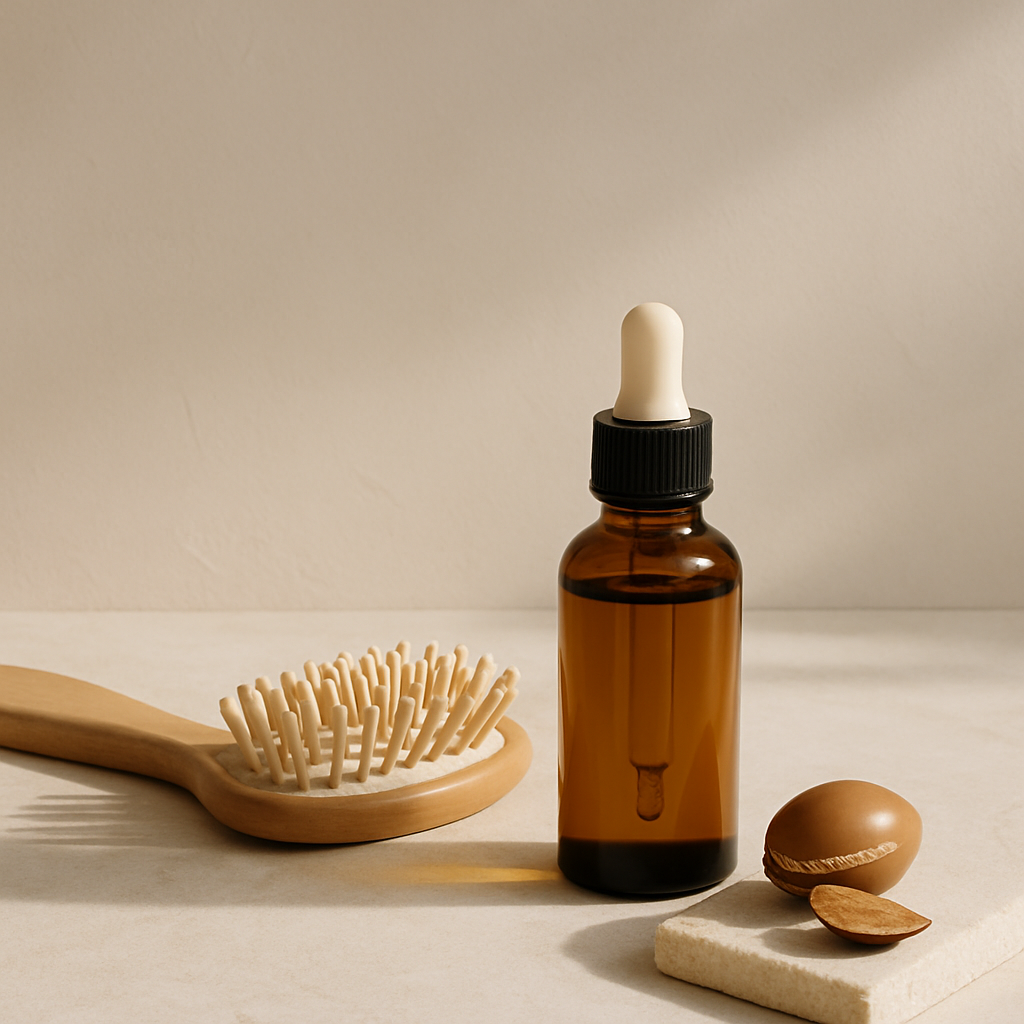
Hair also suffers from sun, salt water, chlorine, and frequent washing. If your hair feels dry or loses shine during summer, use a nourishing oil treatment on the lengths, avoiding the scalp if it becomes oily quickly. A natural oil serum for sun-stressed hair can help the hair feel smoother and more polished after beach days or travel. Apply a small amount to the ends, especially before styling.
For body care, shower after sweating, swimming, or heavy sunscreen use, but avoid very hot water. Hot showers can make already heated skin feel drier and more sensitive. Choose lukewarm water and moisturise while the skin is still slightly damp.
7. Common Mistakes
Even a beautiful skincare routine can become less effective if a few summer habits are working against it. Watch out for these common mistakes:
- Skipping SPF on cloudy days. UV rays can still affect the skin when the sky is overcast.
- Using too many heavy layers in the morning. Thick textures can feel uncomfortable in heat and may mix poorly with sweat and sunscreen.
- Over-cleansing oily skin. Washing too often or using harsh products can leave the skin feeling tight and reactive.
- Forgetting to reapply sunscreen. One morning application is not enough for long outdoor days.
- Exfoliating after sun exposure. Scrubs or strong actives can make sun-stressed skin feel more sensitive.
- Ignoring the neck and hands. These areas show sun exposure and dryness quickly.
- Applying oils before SPF. In the morning, keep oils minimal and never use them as sun protection.
The goal is not perfection. The goal is a routine that protects, feels good, and supports your skin consistently through the hottest months.
8. FAQ
Should I use moisturiser in summer if my skin is oily?
Yes, but choose a lighter texture and apply only the amount your skin needs. Oily skin can still be dehydrated, especially in heat or air conditioning. Skipping moisturiser entirely may leave the skin feeling tight or unbalanced.
How often should I reapply sunscreen?
Reapply every two hours when outdoors, and always after swimming, towel drying, or heavy sweating. If you are indoors most of the day, reapply before going outside again.
Can I use facial oils during summer?
Yes, but use them strategically. Apply a very small amount at night or on dry patches. Oils should not replace SPF and are usually best kept away from the heaviest daytime heat.
What is the best routine after a beach day?
Cleanse gently, rinse away salt or chlorine, cool the skin, hydrate well, and avoid exfoliation that evening. If the skin is painful, blistered, or intensely red, consult a healthcare professional.
How can I keep my routine minimal while travelling?
Pack a gentle cleanser, moisturiser, broad-spectrum SPF, and one evening treatment or oil if your skin gets dry. Keep it simple; travel, heat, and new climates are not ideal times to test many new products.
Final note: Summer skin care should feel light, protective, and intuitive. Listen to your skin, simplify when the weather is extreme, and consult a dermatologist for persistent irritation, acne, pigmentation concerns, or any condition that needs professional guidance.