After summer sun, sea salt, air conditioning, and frequent washing, autumn is the ideal season to reset your hair care ritual. Many people notice drier ends, a tighter-feeling scalp, dullness, or increased breakage as temperatures begin to drop and indoor heating returns.
Essential oils can be a beautiful part of that seasonal recovery, but only when used with care. They are highly concentrated plant extracts, not leave-in perfumes or “more is better” treatments. The solution is a simple, well-diluted routine that respects your scalp, your hair texture, and your lifestyle.
In this guide, you will learn how to use essential oils for hair care properly, how to pair them with carrier oils, and how to create a minimalist autumn routine that feels luxurious without becoming complicated.
Table of Contents
1. Why Autumn Hair Needs Extra Care
Autumn is a transition season. Your hair may still be recovering from summer exposure, while your scalp is already adapting to cooler air, wind, and lower humidity. This combination can leave hair feeling rough, flat, or fragile.
The most common autumn hair concerns include:
- Dry ends from sun, salt water, chlorine, and heat styling.
- Dullness caused by surface dryness and product build-up.
- Scalp discomfort as temperatures change and indoor heating begins.
- More visible shedding, which can be seasonal for some people, but should be discussed with a dermatologist if excessive or sudden.
- Frizz and breakage as the hair cuticle becomes more vulnerable.
A good autumn oil routine should not overload the scalp or make the hair greasy. Instead, it should support softness, comfort, shine, and a calmer-looking scalp through gentle, consistent care.
2. Essential Oils vs. Carrier Oils: Know the Difference
Before applying any oil to your hair or scalp, it is important to understand the difference between essential oils and carrier oils.
Essential oils
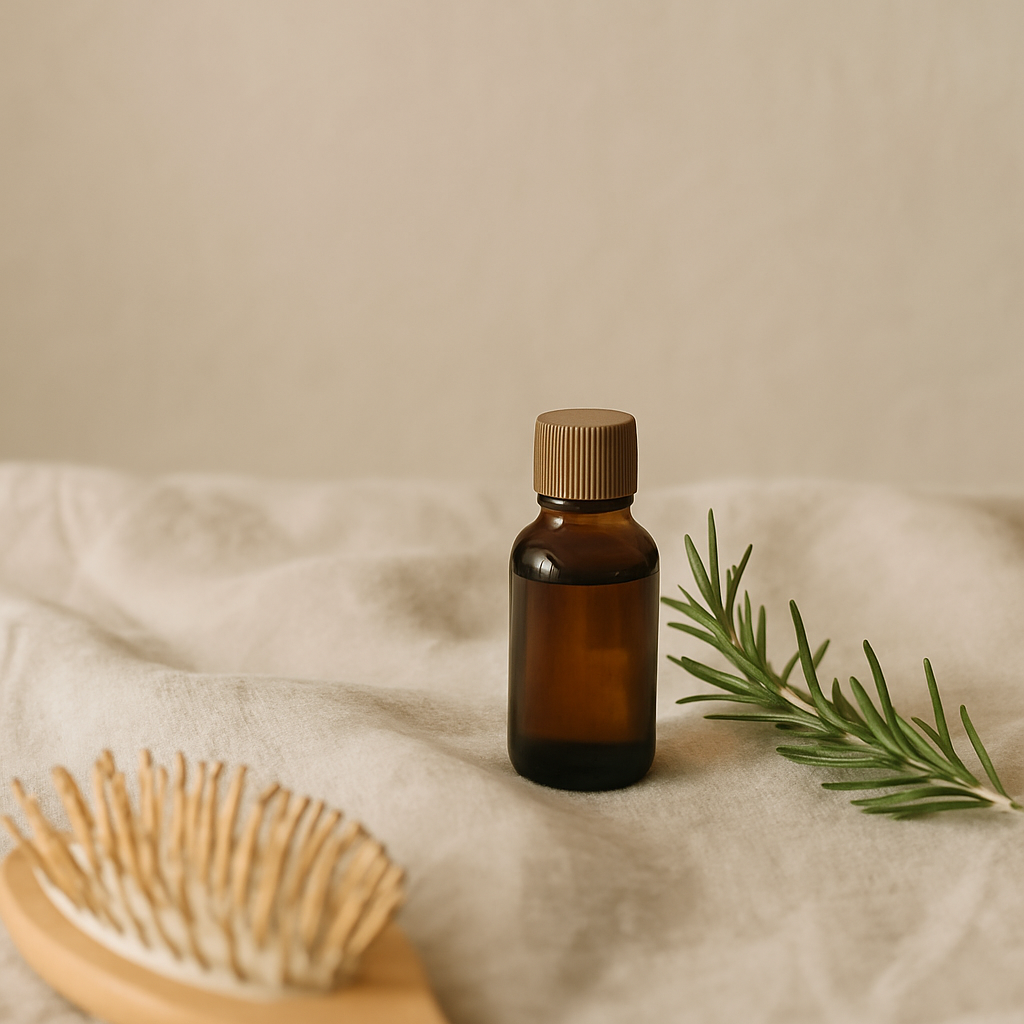
Essential oils are concentrated aromatic extracts from plants. Because they are potent, they should not be applied directly to the scalp without dilution. For hair care, rosemary essential oil is one of the most popular choices because it is traditionally used in scalp massage routines and helps create an invigorating, fresh sensation.
If you want to begin with one essential oil, consider a pure option such as rosemary essential oil for scalp massage. It fits beautifully into an autumn routine when diluted correctly in a nourishing carrier oil.
Carrier oils
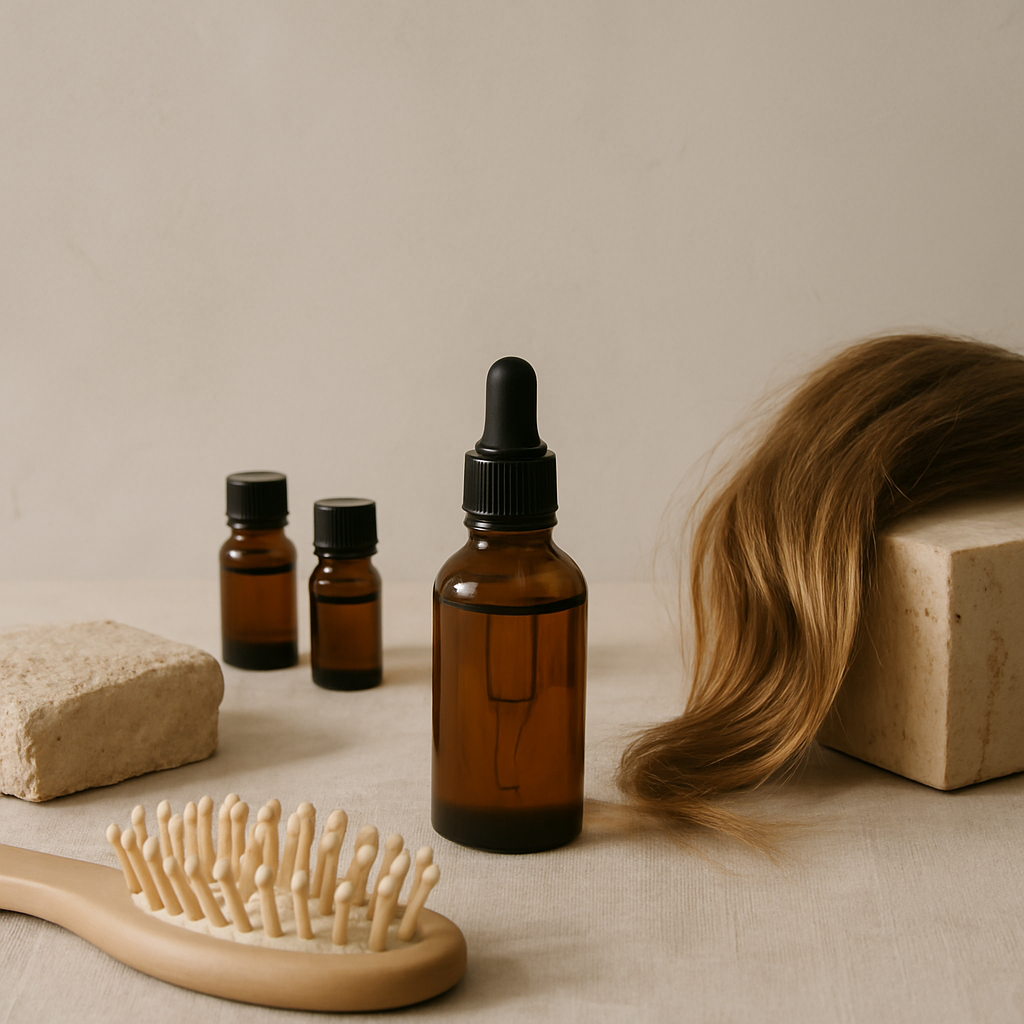
Carrier oils are plant oils used to dilute essential oils and help spread them evenly. They also provide softness and nourishment to the hair shaft. For dry, dull, or post-summer hair, pure argan oil for hair and skin is an excellent multipurpose choice because it can be used on lengths, ends, and as a base for diluted essential oil blends.
Think of essential oils as the concentrated active aromatic component, and carrier oils as the gentle, comforting base that makes the ritual safe and pleasant.
3. A Minimalist 3-Step Routine for Autumn Hair Care
If you love natural beauty but do not want a complicated routine, keep it simple. The best hair oil ritual is the one you can repeat without stress.
Step 1: Weekly pre-wash scalp massage
Once a week, blend 1 tablespoon of carrier oil with 1 to 2 drops of essential oil. Massage gently into the scalp for 3 to 5 minutes, then leave on for 20 to 40 minutes before shampooing. This is ideal for slow evenings, weekend self-care, or after a long workday.
Step 2: Nourish the ends
After washing and drying, warm 1 to 2 drops of argan oil between your palms and smooth it over the ends only. This helps reduce the appearance of dryness and adds a polished finish without weighing the hair down.
Step 3: Refresh your ritual with aroma
Hair care is also sensory care. A calm, aromatic routine can help you slow down during the colder months. If you enjoy herbal, Mediterranean notes, a carefully diluted essential oil blend can make your weekly scalp massage feel like a spa moment at home.
4. How to Choose Oils by Hair Type, Scalp Type, Age, and Lifestyle
The right oil routine depends on your personal needs. Luxury hair care is not about using many products; it is about choosing precisely.
For oily roots and dry ends
Use essential oils only in a pre-wash treatment, and keep the blend light. Avoid applying oil directly to the roots after washing. Focus leave-in oil only on the last few centimeters of hair.
For dry or mature hair
Hair can become drier with age, hormonal changes, frequent coloring, or heat styling. A richer pre-wash oil mask with argan oil can help the hair feel more supple and smoother. Keep essential oil concentration low, especially if the scalp is sensitive.
For sensitive scalps
Patch testing is essential. Start with the lowest dilution and avoid long leave-on times. If your scalp burns, itches, flakes severely, or feels inflamed, stop using the product and consult a dermatologist.
For busy lifestyles
Choose one weekly treatment and one finishing step. For example: diluted rosemary scalp massage on Sunday, then a drop of argan oil on the ends after washing. That is enough.
For wellness-focused routines
If you enjoy botanical rituals, you may also appreciate immortelle in your beauty cabinet. While it is more commonly associated with skin care, pure immortelle essential oil for natural beauty rituals can be used thoughtfully in aromatic self-care blends when properly diluted. Avoid applying it undiluted to the scalp.
5. How to Dilute Essential Oils Safely
Correct dilution is the most important rule. Essential oils are powerful, and the scalp is skin. Using too much may cause irritation, sensitivity, or discomfort.
For most at-home hair care routines, a gentle dilution is best:
- For sensitive scalps: 1 drop of essential oil in 1 tablespoon of carrier oil.
- For normal scalps: 1 to 2 drops of essential oil in 1 tablespoon of carrier oil.
- For first-time users: start with 1 drop only and observe how your scalp responds.
Always mix the oils in your palm, a small glass bowl, or a clean ceramic dish before applying. Do not drip essential oil directly onto the scalp. Avoid the eye area, broken skin, and irritated patches.
Pregnant or breastfeeding women, children, people with allergies, and anyone with a scalp condition should consult a qualified healthcare professional or dermatologist before using essential oils.
6. The Best Ways to Apply Hair Oils
Application makes a major difference. Even the finest oil can feel heavy if used incorrectly.
Pre-shampoo scalp oiling
This is the safest and most practical method for many people. Apply your diluted blend to the scalp, massage gently, wait 20 to 40 minutes, then shampoo thoroughly. This method is especially helpful in autumn because it supports a soothing, restorative routine without leaving residue.
Length and end treatment
Use a pure carrier oil, not an essential oil, on the lengths and ends. A drop of argan oil can help soften the look of dry ends and add a refined shine. Avoid the roots unless your hair is very thick or dry.
Overnight oiling
Overnight oiling is not necessary for everyone. If you try it, use carrier oil only on the ends or a very mild diluted blend, and protect your pillowcase. If your scalp is sensitive or oily, avoid overnight scalp oiling.
Aromatic shower ritual
Some essential oils are better suited to aromatherapy than direct hair application. For example, forest-inspired oils such as pine or fir are refreshing in seasonal wellness rituals, but they are not the first choice for scalp use. If you enjoy crisp autumn aromas, pure fir essential oil for aromatherapy moments may be reserved for diffuser-style use according to product guidance, rather than applied to hair.
7. Common Mistakes
Essential oils can elevate your routine, but these mistakes can quickly turn a beautiful ritual into an uncomfortable experience.
- Using essential oils undiluted: This can irritate the scalp and should be avoided.
- Applying too much oil: Heavy application can make hair greasy, flat, and difficult to wash.
- Leaving scalp oils on for too long: Longer is not always better, especially for sensitive or oily scalps.
- Skipping the patch test: Test a diluted blend on a small area before using it on your scalp.
- Using fragrance logic: Essential oils are not perfumes for the hair. They should be chosen for suitability and used carefully.
- Mixing too many oils at once: Start with one essential oil and one carrier oil so you can understand what works for you.
- Applying oil to dirty build-up: If your scalp has a lot of styling product residue, cleanse first and oil another day.
- Ignoring persistent concerns: Sudden hair loss, severe itching, redness, scaling, or pain should be assessed by a dermatologist.
8. FAQ
Can I apply rosemary essential oil directly to my scalp?
No. Rosemary essential oil should be diluted in a carrier oil before scalp application. A gentle starting point is 1 drop of essential oil in 1 tablespoon of argan oil, followed by a short pre-wash massage.
How often should I use essential oils for hair care?
For most people, once a week is enough. If your scalp is sensitive, begin every two weeks and observe your skin’s response. Consistency matters more than frequency.
Can essential oils help with hair growth?
Some essential oils are traditionally used in scalp massage routines, but cosmetic products should not be treated as medical hair loss solutions. If you are experiencing sudden, patchy, or excessive shedding, consult a dermatologist.
Can I use argan oil without essential oils?
Yes. Argan oil can be used alone as a carrier oil, pre-wash treatment, or finishing oil for dry ends. This is often the best option for sensitive scalps or minimalist routines.
What is the best autumn hair oil routine?
A simple autumn routine is: weekly diluted scalp massage before shampooing, gentle cleansing, and 1 to 2 drops of carrier oil on the ends after drying. This supports softness and shine while avoiding heaviness.
Final note: Essential oils are a luxurious addition to hair care when used with respect. Keep your routine minimal, dilute carefully, listen to your scalp, and seek professional advice from a dermatologist if you notice persistent irritation, discomfort, or unusual hair shedding.