Combining Essential Oils for the Perfect Summer Home Scent
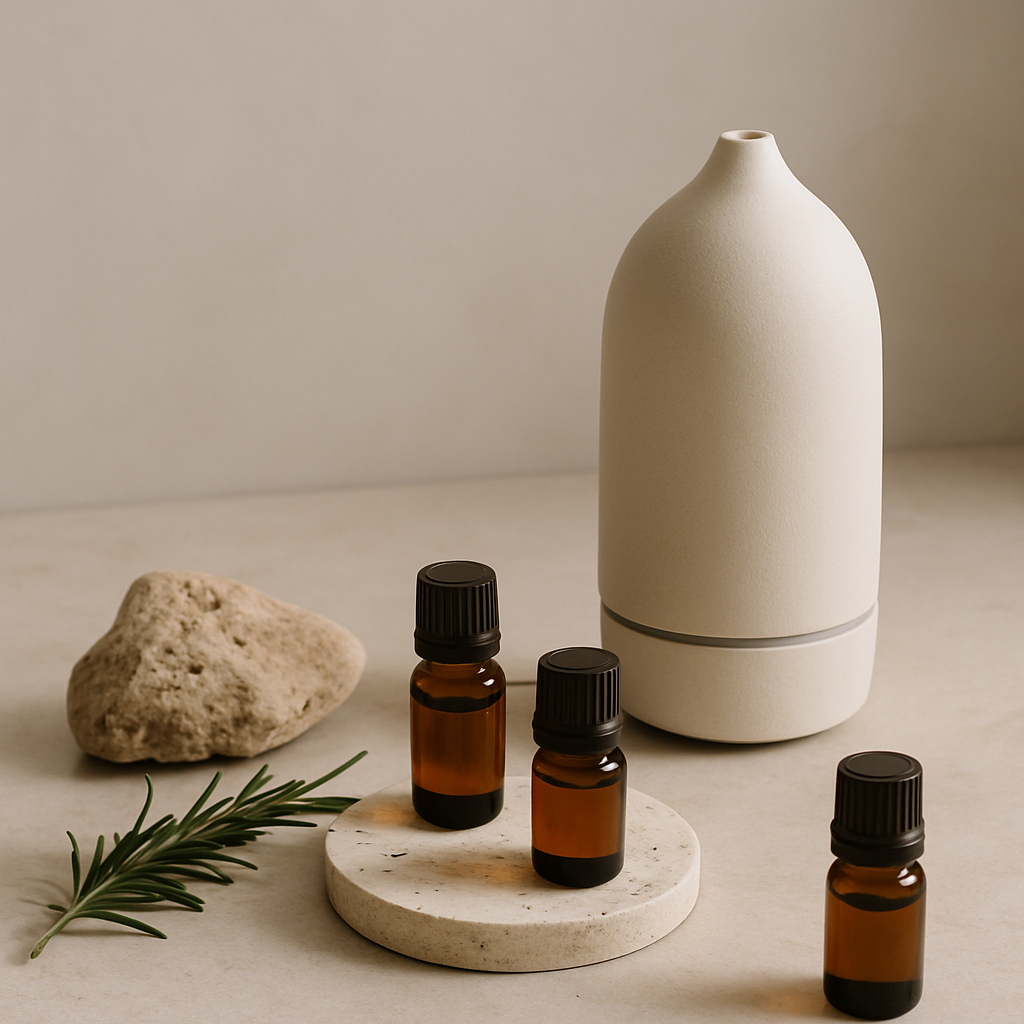
In summer, the home can quickly feel warm, heavy, and less refreshed than we would like. Air conditioning, cooking aromas, humidity, beach bags, and the everyday rhythm of family life can all affect how a room feels. A beautiful essential oil blend can help create a cleaner, more elegant atmosphere without relying on synthetic room sprays.
The challenge is that essential oils are concentrated and expressive. A few drops can feel luxurious, while too many can become overpowering. The secret is not simply choosing one oil you like, but learning how to combine notes so your home smells fresh, balanced, and appropriate for the season.
This guide will show you a simple, safe, and refined way to combine essential oils for a perfect summer home scent, with minimalist rituals that also support your warm-weather skincare routine.
Table of Contents
Why Summer Homes Need a Lighter Fragrance Strategy
Summer fragrance should feel airy, not heavy. In hot climates such as the UAE, strong sweet scents can become intense very quickly, especially in closed rooms or apartments cooled by air conditioning. The best summer home aromas are usually crisp, herbal, green, resinous, or softly citrus-like.
Natural essential oils are ideal for this approach because they offer dimension. A pine oil can make a room feel forest-fresh, rosemary can add herbal brightness, and lavender-rich body rituals can bring calm at the end of a sun-filled day. However, essential oils should always be used with respect: they are potent botanical extracts, not casual perfumes.
Understanding Essential Oil Notes
Just like fine perfume, a home fragrance blend is built from different aromatic notes. Understanding these notes helps you avoid blends that feel flat, sharp, or overwhelming.
Top notes: the first impression
Top notes are bright and immediate. They are often citrusy, minty, or herbal and tend to evaporate faster. In summer, top notes make a room feel clean and energised. Rosemary, grapefruit, wild mint, and certain conifer oils can all bring that first breath of freshness.
Middle notes: the heart of the blend
Middle notes give balance and softness. Lavender, calendula-inspired herbal accords, and gentle floral aromas often sit here. They help prevent a blend from smelling too sharp or medicinal.
Base notes: depth and staying power
Base notes last longer and create a grounded feeling. Woody, resinous, and balsamic aromas are common base notes. Pine oils can bring this forest-like structure, especially when used carefully in small amounts.
For a simple home blend, think in the ratio of 3 parts top note, 2 parts middle note, and 1 part base note. This keeps the result fresh enough for summer while still feeling elegant.
The 3-Step Method for a Balanced Home Scent
If you are new to essential oils, do not begin with ten bottles. A minimalist approach is more luxurious, more controlled, and easier to repeat.
Step 1: Choose the mood
Ask yourself what the room needs. Do you want a bright morning atmosphere, a spa-like evening mood, or a clean entrance hall? For example, a work-from-home space may suit herbal clarity, while a living room may feel better with soft pine and lavender elements.
Step 2: Build around one hero oil
Choose one main oil and let the others support it. For a crisp, green, forest-inspired scent, use pure white pine essential oil as the hero. For a sharper herbal profile, try a pure rosemary essential oil for herbal freshness. Keep the hero oil at about half of your total blend.
Step 3: Test before diffusing widely
Blend only a few drops on a ceramic dish or scent strip first. Wait five minutes, then smell again. Essential oils change as they open in the air. If the blend feels too sharp, add a softer middle note. If it feels too flat, add one more drop of a bright herbal or citrus-style oil.
Summer Essential Oil Blend Ideas
Always follow your diffuser manufacturer's instructions and use essential oils only in suitable devices. The following ideas are written as ratios, not medical or therapeutic instructions. Adjust the number of drops to your diffuser size and room ventilation.
1. Fresh Coastal Forest
- 3 parts white pine
- 2 parts rosemary
- 1 part black pine
This blend feels clean, green, and quietly sophisticated. The combination of white pine and deep black pine essential oil creates a forest base, while rosemary adds a bright herbal lift. It is ideal for an entrance, home office, or living room in the morning.
2. Herbal Spa Evening
- 2 parts rosemary
- 2 parts lavender-style softness
- 1 part pine
If you do not have pure lavender essential oil for a diffuser, do not substitute a body oil in the diffuser. Instead, use rosemary and pine in the air, then complete the ritual on the body with a ready-made relaxation massage oil with lavender, fir, wild mint, and grapefruit. This keeps the home scent clean while adding a luxurious body-care step after showering.
3. Minimalist Clean Room Blend
- 2 parts rosemary
- 1 part white pine
This is a simple two-oil blend for anyone who prefers a fresh, uncluttered home. It works beautifully in summer because it feels light and aromatic without becoming sweet.
4. After-Beach Calm
- 1 part pine
- 1 part rosemary
After a beach day, keep the room fragrance subtle. Your skin may already be warm from sun, salt, and SPF. A quiet, airy blend in the living room, combined with a cool shower and moisturising body care, feels more comfortable than a strong fragrance cloud.
How to Scent Different Rooms
Not every room needs the same aroma intensity. A luxury home fragrance experience feels intentional: fresh where you enter, calm where you rest, and minimal where you sleep.
Entrance and hallway
This is the perfect place for crisp conifer and herbal blends. A light pine-rosemary combination gives a welcoming feeling without smelling like perfume. Keep it subtle because guests experience it immediately when entering.
Living room
Choose rounded blends that do not compete with food, flowers, or candles. Pine can create an elegant green background, especially in air-conditioned rooms where fragrance can otherwise feel static.
Home office
Rosemary is a beautiful choice for a clean, focused atmosphere. Use it sparingly, and take breaks from diffusion. Fresh air is still essential.
Bedroom
Keep bedroom aromatherapy very gentle. Avoid strong diffusion overnight, especially around children, pets, pregnant women, or anyone with asthma, allergies, or respiratory sensitivity. When in doubt, consult a qualified professional.
Bathroom
Bathrooms often benefit from a fresh forest scent, but avoid placing oils directly on polished surfaces, marble, or fabrics. Essential oils can stain or damage materials.
A Minimalist Summer Skincare Ritual to Pair with Home Aromatherapy
A beautifully scented home is only one part of summer wellbeing. Heat, sweating, SPF, and humidity can affect the skin barrier, especially for oily, combination, or sensitive skin. Keep your skincare short, breathable, and consistent.
3 steps for summer skin comfort
- Step 1: Cleanse gently. Remove sweat, sunscreen, and city dust without stripping the skin. If your skin feels tight after cleansing, your cleanser may be too harsh.
- Step 2: Hydrate with lightweight layers. In summer, many skin types prefer lighter textures rather than heavy creams. Hydration helps the skin feel more comfortable in heat.
- Step 3: Protect every morning. Use a broad-spectrum SPF suitable for your skin type. Natural oils and essential oils do not replace sunscreen.
For body care after a shower, especially after sun exposure, choose gentle nourishment rather than aggressive exfoliation. If your skin feels dry on legs, arms, or hair ends, pure argan oil as a nourishing carrier oil can be used sparingly for softness and shine. Apply to slightly damp skin or hair ends, avoiding irritated or sunburned skin.
If you enjoy massage rituals, use finished massage oils on the body only, not in a diffuser. AlmaDerm massage oils contain carrier oils and a high percentage of essential oils, making them suitable for massage according to product directions, but not for scenting machines. For a more refreshing chest and back massage ritual after a long day, a conifer-rich massage oil for an aromatic body ritual can create a spa-like feeling at home.
Common Mistakes
Essential oils are natural, but natural does not mean unlimited. The most elegant results come from careful use.
- Using too many drops. More oil does not create a more luxurious scent. It often creates headaches or irritation.
- Mixing without a structure. Combining random oils can smell chaotic. Use top, middle, and base notes.
- Putting massage oils into a diffuser. Carrier oils can damage devices and are not made for diffusion.
- Diffusing continuously for hours. Short sessions with ventilation are usually better than all-day diffusion.
- Ignoring pets, children, and sensitivities. Some essential oils are not appropriate around certain pets or vulnerable people. Ask a veterinarian or healthcare professional when unsure.
- Applying essential oils neat to the skin. Pure essential oils should be properly diluted in an appropriate carrier oil and patch tested.
- Replacing skincare with aromatherapy. A lovely scent can support mood, but it does not replace cleansing, hydration, SPF, or professional dermatological care.
FAQ
What is the best essential oil combination for a fresh summer home?
A simple blend of rosemary and pine is one of the easiest fresh summer combinations. Rosemary gives herbal brightness, while pine adds a clean forest note. Start with a 2:1 ratio of rosemary to pine and adjust based on room size and personal preference.
Can I mix all essential oils together if they smell good separately?
Not always. Oils that smell beautiful alone can become overwhelming together. Build blends in small tests first, using one hero oil and one or two supporting oils.
Can I use AlmaDerm massage oils in my diffuser?
No. Massage oils contain carrier oils and are made for topical massage according to product directions. For diffusers, use only pure essential oils that are suitable for your device.
Are essential oils safe for sensitive skin?
Sensitive skin requires caution. Essential oils should not be applied undiluted, and every new product should be patch tested. If you have eczema, allergies, rosacea, pregnancy-related sensitivity, or persistent irritation, consult a dermatologist.
Do essential oils replace sunscreen in summer?
No. Essential oils do not provide sun protection. In summer, use a broad-spectrum SPF every morning and reapply as needed, especially after sweating, swimming, or towel drying.
Final note: The perfect home scent is personal, seasonal, and beautifully restrained. In summer, let your blends breathe: fresh herbs, soft woods, clean conifers, lightweight skincare, and consistent SPF create a routine that feels elegant from morning to night.