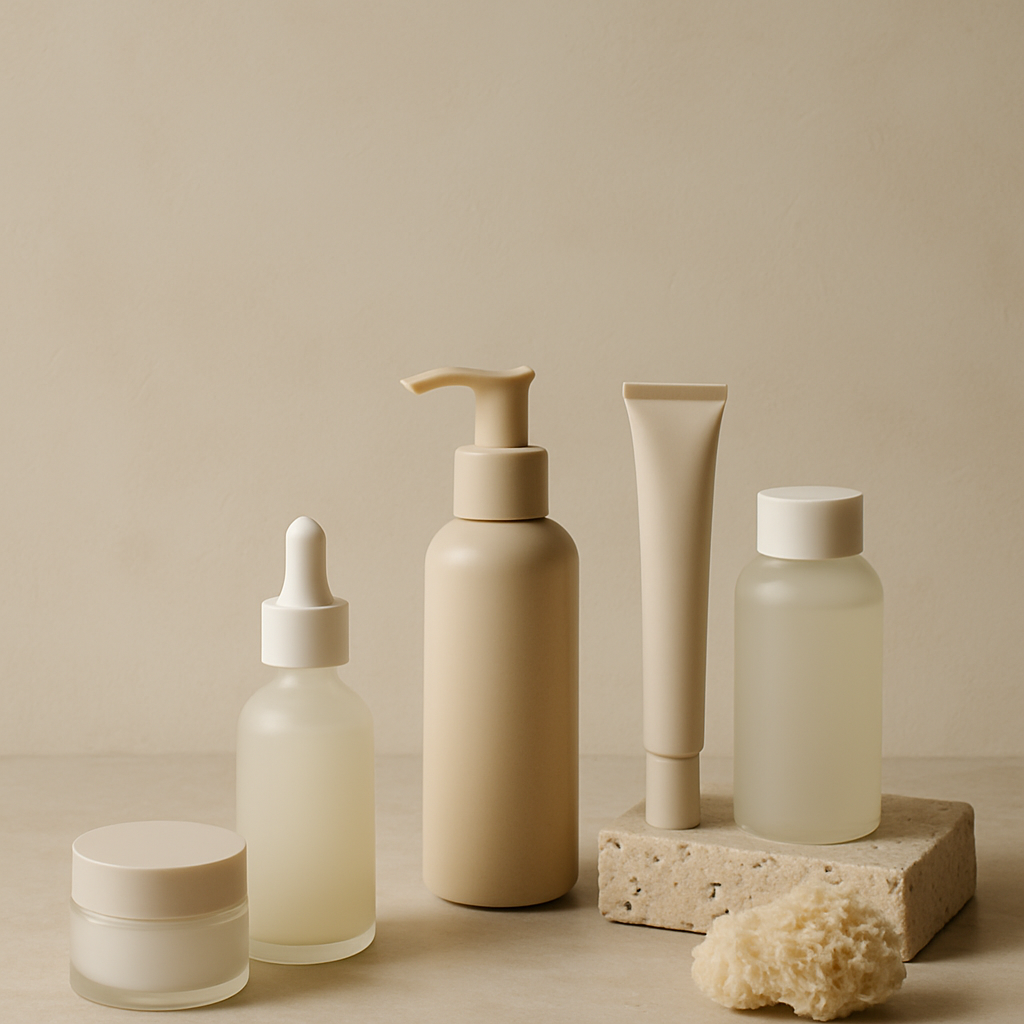

An evening retinol routine can significantly improve your skin's texture and appearance when done correctly. Retinol is a powerful ingredient, but it requires careful introduction and proper hydration to avoid irritation.
Below, I'm sharing a practical guide and a complete morning and evening routine, along with product recommendations from the AlmaDerm range, common mistakes, and answers to frequently asked questions.
Contents
- Why gradual introduction matters
- Preparing your skin before retinol
- How to apply retinol without excessive irritation
- Hydration and night cream after retinol
- Step-by-step routine (morning and evening)
- Most common mistakes
- Quick product recommendations (from the AlmaDerm range)
- Frequently asked questions
- Conclusion and recommendations
Why Gradual Introduction Matters
Retinol promotes skin renewal and can increase sensitivity in the beginning. Gradual introduction reduces redness, flaking, and discomfort. The goal is for your skin to build tolerance without disrupting its daily barrier function.
Preparing Your Skin Before Retinol
Gentle cleansing
For your evening routine, choose a gentle, non-irritating cleanser. If you prefer a natural option, Natural Black Seed Soap is a great choice for gentle cleansing without stripping the skin's natural oils.
Toner and balance
Avoid strong, alcohol-based toners before retinol. Instead, use a gentle toner or hydrosol that restores pH and adds light moisture.
How to Apply Retinol Without Excessive Irritation
The key lies in the amount, technique, and spacing between applications. Use a small amount of serum and apply it to dry — not damp — skin. If you're using a potent product, consider the so-called "sandwich" method: a hydrating layer before and after retinol.
Lift Boost Retinol serum — how to incorporate it
Lift Boost Retinol serum with hyaluronic acid and vitamin E can help soothe potential irritation thanks to its hydrating ingredients. Apply 1–2 drops initially, gradually increasing to the recommended amount.
Hydration and Night Cream After Retinol
Hydration is essential. Look for products with hyaluronic acid, ceramides, or gentle emollients that restore the barrier. A night cream provides long-lasting effects and reduces the frequency of irritation.
For the nighttime finishing step, I recommend a cream that supports regeneration and protects the skin overnight; for example, Collagen + cream works well with retinol thanks to its hyaluronic acid and vitamin E.
Step-by-Step Routine (Morning and Evening)
Morning routine
- Wash with a gentle cleanser (e.g., Natural Black Seed Soap)
- Toning or a gentle hydrating mist
- Hyaluronic acid serum as needed
- A lightweight day cream like Collagen + (with UV protection if going outdoors)
- Always apply SPF 30+ every day — this is essential protection when using retinol
Evening retinol routine
- Remove makeup and cleanse your face with a gentle cleanser
- Gentle toner or hydrating mist
- If desired, apply a thin layer of hydrating base (the "sandwich" method)
- Apply Lift Boost Retinol serum in a small amount (Lift Boost Retinol serum)
- Wait 1–2 minutes for absorption, then apply a rich night cream (e.g., Collagen +)
- Optionally, add a layer of nourishing oil for an extra barrier (e.g., Respiro massage oil if you're looking for a fragrant, relaxing finish)
Most Common Mistakes
- Using retinol every day right from the start — begin gradually.
- Applying to damp skin, which can increase penetration and irritation.
- Combining retinol with strong acids (AHA/BHA) at the same time without a break.
- Skipping hydration after retinol.
- Insufficient skin protection during the day (SPF is a must).
- Skipping the tolerance test — don't increase concentration too soon.
- Using aggressive exfoliants right after introducing retinol.
- Using retinol on damaged or inflamed skin without professional advice.
Quick Product Recommendations (from the AlmaDerm Range)
- Lift Boost Retinol serum 20ml — a serum with retinol, hyaluronic acid, and vitamin E; great for gradual introduction.
- Collagen + cream 50ml — a hydrating night/day cream with hyaluronic acid and UV protection, ideal for locking in moisture.
- Natural Black Seed Soap 100g — gentle cleansing without harsh ingredients, great for sensitive skin.
- Respiro Massage Oil 50ml — a nourishing oil for finishing your nighttime routine, used in small amounts over cream.
- Avocado Body Scrub 150ml — for weekly body care; avoid aggressive exfoliants on the face while introducing retinol.
How quickly can I increase the frequency of retinol use?
Most people start with one application every 3rd evening. If there's no irritation after 2–4 weeks, you can gradually increase to every other night, and later to every evening. Monitor your skin and reduce frequency if redness or flaking occurs.
What are the gentlest ways to reduce stinging after retinol?
Use less serum, add a hydrating layer before and after retinol, and reduce application frequency. If needed, skip retinol for a few evenings until your skin calms down.
Can I combine retinol with other active ingredients?
Carefully. Retinol is best combined with hydrating and soothing ingredients. Avoid strong acids and other retinoids at the same time without professional advice.
What if severe irritation occurs?
If you experience intense pain, significant swelling, or sores, stop using the product and seek advice from a dermatologist. For mild irritation, reducing frequency and applying rich hydration usually helps.
Can I use retinol during pregnancy?
The general advice is to avoid retinoids during pregnancy. Consult your gynecologist or dermatologist before use.
A proper evening retinol routine isn't complicated, but it requires consistency, good hydration, and respecting your skin's limits. Gradual introduction and daytime protection make all the difference in tolerance and results.
Conclusion
Retinol can be a valuable addition to your evening skincare if introduced thoughtfully. Always prioritize a gentle base, hydration before and after, and daytime protection. Use the products listed above as a starting point and adjust the pace according to your skin's response.
Disclaimer: This article provides general skincare advice and does not replace professional medical guidance. If you have serious skin concerns or uncertainties, please consult a dermatologist.