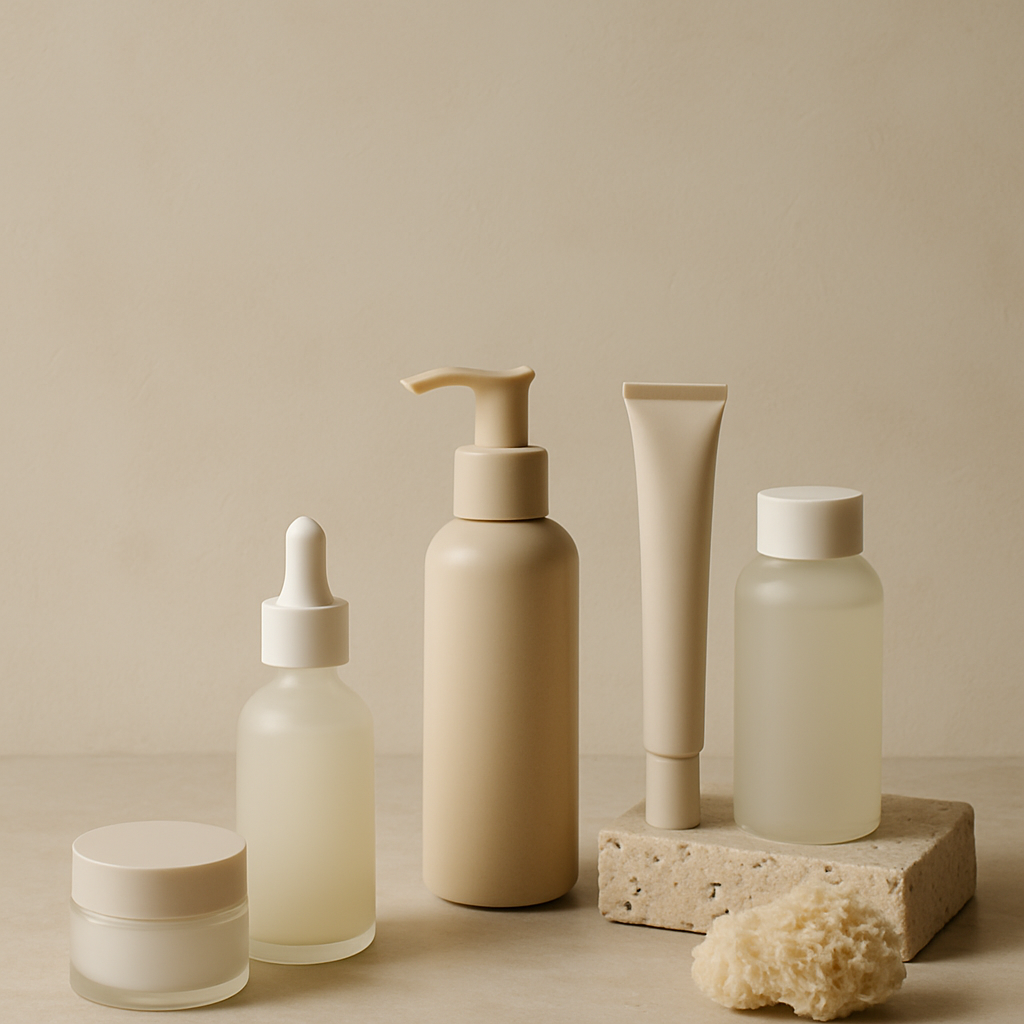

A night retinol set is an excellent choice for those looking to accelerate skin renewal, improve texture, and reduce the first signs of aging. The right combination of products, responsible and gradual introduction, and a soothing night cream are key to achieving results without irritation.
In this guide, I explain how to safely combine retinol with other ingredients (such as retinol and vitamin E), how to plan a step-by-step routine, and which mistakes to avoid. In a time when information is abundant, my goal is to provide a concrete, practical plan you can apply right after your first use.
Contents
- Why Choose a Night Retinol Set
- Key Ingredients and How to Combine Them
- Gradually Introducing Retinol Into Your Routine
- Step-by-Step Routine (Morning and Evening)
- Combining With Other Active Ingredients
- Most Common Retinol Mistakes
- Quick Product Recommendations (From the AlmaDerm Range)
- Frequently Asked Questions
- Conclusion and Notes
Why Choose a Night Retinol Set
Retinol is a vitamin A derivative that promotes cell renewal and accelerates cellular regeneration. In a night set, retinol works while your skin is in recovery mode — with minimal sun exposure and less burden from makeup. The night cream in the set typically contains soothing and hydrating ingredients that reduce potential irritation.
Key Ingredients and How to Combine Them
When it comes to combining ingredients, it's important to know that retinol and vitamin E work in great synergy: vitamin E acts as an antioxidant and can help soothe potential irritation caused by retinol. A night cream with hyaluronic acid and collagen helps retain moisture and supports the skin's barrier function, which is essential for renewal.
Example of a balanced set: - retinol serum or treatment, - soothing night cream (with hyaluronic acid, vitamin E, or ceramides), - gentle alcohol-free toner to prep the skin.
Gradually Introducing Retinol Into Your Routine
Gradual introduction is key to minimizing irritation and achieving the best renewal results. Here's a practical plan you can adapt to your skin:
- Week one: use retinol every third night.
- Weeks 2–4: increase frequency to every other night if there's no irritation.
- After one month: aim for nightly or every-other-night application, depending on your skin's tolerance.
- If redness or peeling occurs, return to less frequent application and boost hydration.
Step-by-Step Routine (Morning and Evening)
Morning Routine
- Cleansing: a gentle gel or milk cleanser — thorough yet gentle cleansing.
- Toner: apply a toner suited to your skin type (e.g., a refreshing toner with mint or rosemary for normal/oily skin). Product examples: Facial Toner Mint 200ml or Facial Toner Rosemary 200ml.
- Serum: an antioxidant (e.g., vitamin C) — boosts protection against oxidative stress.
- Day cream: use a day cream with SPF (e.g., a cream with active collagen, hyaluronic acid, and vitamin E, plus UV protection): Collagen + 50ml. SPF is mandatory while using retinol.
- Makeup: optional, but always with additional UV protection if you're outdoors.
Evening Routine
- Deep cleansing: remove makeup and impurities. Use a gentle cleanser that doesn't dry out the skin.
- Toner: a light alcohol-free toner (examples: Facial Toner Lemon 200ml or Facial Toner Sage 200ml).
- Active treatment: apply your retinol product as directed — wait a few minutes for it to absorb.
- Hydrating night cream: apply a rich night cream or a product with hyaluronic acid and vitamin E to support renewal and reduce irritation.
- Optional: 1–2 times per week, use a deep-care mask (e.g., a black mask with volcanic clay and activated charcoal) before retinol, but skip retinol on mask days if the mask deeply cleanses or mildly irritates the skin: Black Mask with Volcanic Clay.
Combining With Other Active Ingredients
Some ingredients pair well with retinol, while others can increase skin sensitivity. A great partner for retinol is vitamin E — it helps restore the barrier and reduces irritation. Hyaluronic acid and collagen help hydrate and plump the skin.
Avoid using strong acids (certain AHA/BHA formulations) and high concentrations of vitamin C directly alongside retinol on the same evening — rotate them on different nights or use vitamin C in the morning and retinol at night.
Most Common Mistakes
- Using retinol without SPF the following morning.
- Increasing retinol frequency too quickly.
- Mixing retinol with strong acids on the same evening.
- Insufficient hydration — retinol can dry out the skin if not followed by proper care.
- Using alcohol-based products right before retinol.
- Sun exposure without protection while the skin is in the renewal process.
- Skipping a break when inflammation or heavy peeling occurs — instead, reduce the frequency and intensity of treatment.
- Using multiple retinol products at once — this increases the risk of irritation.
Quick Product Recommendations (From the AlmaDerm Range)
- Facial Toner Mint 200ml — a refreshing toner that preps the skin and removes residual impurities before serum.
- Facial Toner Rosemary 200ml — suitable for normal and combination skin, supports balance and clarity.
- Facial Toner Lemon 200ml — a light toner with a refreshing effect, great for the morning routine.
- Facial Toner Sage 200ml — for a soothing effect after cleansing.
- Collagen + Cream 50ml — a day cream with SPF and vitamin E that supports skin renewal and moisture.
- Black Mask with Volcanic Clay — deep pore cleansing, ideal as a routine add-on, but avoid it right before retinol if it causes irritation.
Frequently Asked Questions
How long does it take to see the first results after introducing a night retinol set?
Most users notice improvements in skin texture and a smoother surface after 4–8 weeks of regular use, but the full effects of renewal and fine line reduction may take longer. Gradual introduction and consistent sun protection speed up and enhance results.
Can retinol be used during pregnancy?
It is recommended to avoid retinol during pregnancy and breastfeeding. Consult your doctor before using any retinol products.
How do you combine retinol and vitamin C?
It's best to use vitamin C in the morning for antioxidant protection and retinol at night for renewal. If you use both active ingredients, rotate them on different evenings or use vitamin C only in the morning.
What should you do if heavy peeling or redness occurs?
Temporarily reduce the frequency of retinol application, boost hydration, and use soothing products that restore the skin barrier. If irritation persists, be sure to seek professional advice.
What is the best night cream to use with retinol?
Look for a night cream containing hyaluronic acid, ceramides, or vitamin E for extra hydration and skin barrier support. A day cream with SPF is also essential.
Conclusion and Note: A night retinol set can significantly help with skin renewal when used responsibly: gradual introduction, proper hydration, combining with vitamin E, and morning sun protection are the foundation. Once a week, or as needed, give your skin time to adjust — listen to your skin's signals and adapt the frequency to its tolerance. If you have specific skin concerns, consult a dermatologist before introducing active treatments.
Final note: The information in this article serves as a general skincare guide and does not replace professional medical advice.