Natural soap is a simple, effective choice for everyday skincare. In this guide, we'll explain what makes a good natural soap, which ingredients to look for, and how to match them to your skin type.
We'll cover the most common ingredients like lavender and turmeric, how to use soap for children, and how to achieve gentle cleansing without drying out your skin. If you need a quick solution — you'll also find recommendations from the AlmaDerm range.
Contents
- What is natural soap and why choose it?
- Key ingredients in natural soaps
- Natural soaps for different skin types
- Gentle cleansing: proper use
- Step-by-step routine (morning and evening)
- Most common mistakes
- Quick product recommendations (from the AlmaDerm range)
- FAQ
- Conclusion and recommendation
What is natural soap and why choose it?
Natural soap is typically made from plant-based oils, botanical extracts, and essential oils, without synthetic surfactants, parabens, or artificial fragrances. This type of soap can offer gentler cleansing and greater compatibility with your skin, especially if you prefer a transparent list of ingredients.
Natural soaps come in various formulations: some are rich in fatty acids for a nourishing feel, while others are lightweight for everyday freshness. Taking the time to choose and test is worthwhile — try different compositions and observe how your skin reacts after use.
Key ingredients in natural soaps
Understanding ingredients helps you choose a soap that suits your needs. Here are the most common ingredients and their basic roles:
Essential oils and fragrances: lavender soap
Lavender is a popular choice due to its pleasant scent and relaxing effect. Lavender soap is often used on the body and face for mild, soothing care. If you enjoy airy fragrances, look for products with natural lavender essential oil.
Botanical additives: turmeric soap
Turmeric is used in soaps for its colour and texture. In formulations, it contributes a natural tone and is often combined with gentle oils. Turmeric soap can be a lovely addition to your routine if you want a mild exfoliation and a warm-toned soap.
Plant-based and cold-pressed oils
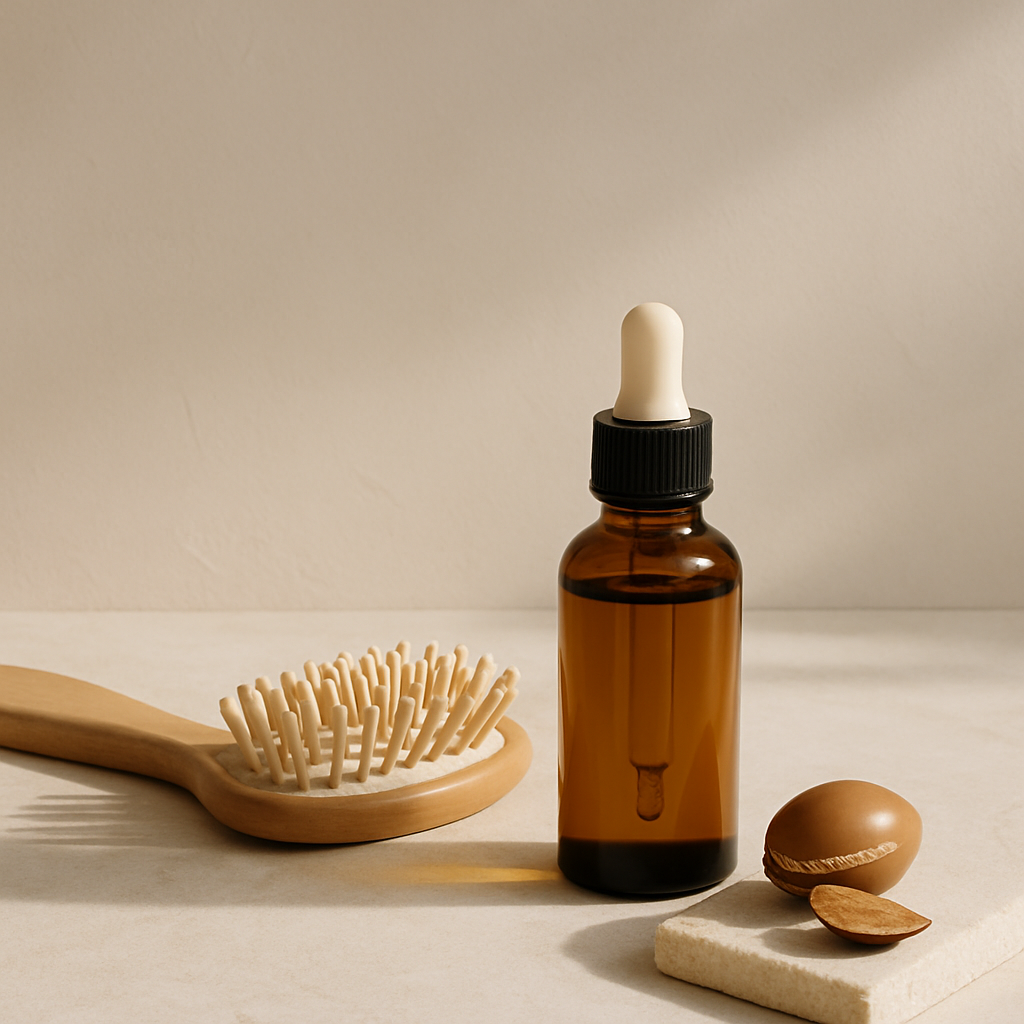
Oils such as argan, olive, and coconut are essential for lubrication and a soft skin feel. For example, Argan Oil 50 ml is an excellent product to complement your post-wash care or as an addition to homemade soap recipes.
Milk and creamy additives
Ingredients like cosmetic milk or plant-based milk give soap a gentle texture and added softness. If you're looking for a creamy feel when washing, look for soaps with milk-based components.
Natural soaps for different skin types
One natural soap doesn't suit everyone. Here's how to choose based on your skin type:
Dry skin
Look for soaps with a higher content of nourishing oils (argan, olive) and a mildly pH-balanced formula. Avoid harsh detergents and regularly apply cream after washing.
Oily and acne-prone skin
Lightweight soaps with purifying ingredients, such as clays or mild botanical extracts, can help maintain balance without over-drying. Gentle cleansing twice a day is usually sufficient.
Sensitive skin and children
Soap for children and people with sensitive skin should be free of essential oils or contain only very mild fragrance sources. Look for formulas with a minimal number of ingredients and an emphasis on gentle cleansing.
Combination skin
Combination skin requires balance: gentle soaps that don't strip the skin's protective layer, combined with targeted treatments for oilier areas. A good practice is to combine gentle cleansing with localised care for the T-zone.
Gentle cleansing: proper use
Gentle cleansing means removing impurities without compromising the skin barrier. A few basic rules:
- Use lukewarm, not hot water.
- Lather nourishing soaps in your hands or on a gentle foaming pad.
- Don't scrub too hard — massaging in circular motions is enough.
- After washing, pat your skin dry with a towel — don't rub.
- Apply a moisturising cream or oil while your skin is still slightly damp.
Step-by-step routine (morning and evening)
Morning routine
- Wash your face with lukewarm water.
- Wet the natural soap and create a light lather in your palms.
- Gently massage the soap into your facial skin in circular motions for 30–60 seconds.
- Rinse thoroughly with lukewarm water.
- Pat your face dry with a clean towel — don't rub.
- Apply toner as needed; for soothing, choose Mint Face Toner 200ml or the lavender variant.
- Apply serum or oil according to your needs (example: Argan Oil for dry skin).
- Finish by applying a cream with SPF if you're heading outdoors.
Evening routine
- Remove make-up and impurities with a gentle make-up remover.
- Second step: cleanse your face with natural soap as in the morning routine.
- Apply toner for additional skin balancing.
- Use targeted products (serums, treatments).
- Finish with a richer cream or nourishing oil (e.g., cream with lavender, immortelle, and argan).
- For hair, use a natural hair soap as needed, then rinse thoroughly: Natural Hair Soap 100g.
Most common mistakes
- Using hot water when washing your face.
- Washing your face too often — it strips the natural barrier.
- Rubbing your skin with a towel instead of patting.
- Choosing soaps with too much fragrance for sensitive skin.
- Lack of hydration immediately after cleansing.
- Mixing too many products at once without testing.
- Not doing a patch test for children or sensitive skin.
- Using the same soap for your face and harsh body cosmetics without adjusting.
Quick product recommendations (from the AlmaDerm range)
- Argan Oil 50 ml — pure oil for extra post-wash care; ideal for dry skin and hair ends.
- Lavender Face Toner 200ml — a soothing hydrosol that pairs perfectly with lavender soap.
- Mint Face Toner 200ml — a fresh sensation that helps with gentle cleansing of oilier skin.
- Natural Hair Soap 100g — a great choice for natural hair care without silicones and synthetic ingredients.
- Cream with Lavender, Immortelle, and Argan 50ml — a rich cream to finish your evening routine and provide extra hydration.
FAQ
What makes a soap natural?
Natural soap typically contains plant-based oils, basic alkaline salts for saponification, and natural additives such as essential oils and botanical extracts. The absence of synthetic surfactants, parabens, and artificial colours is often the criterion for a product's naturalness.
Is lavender soap suitable for sensitive skin?
Lavender can be gentle, but people with very sensitive skin should test the product on a small patch of skin or choose a fragrance-free variant.
How do I use turmeric soap without staining my skin?
Rinse the soap off your skin thoroughly and use a light toner after washing. For very sensitive skin, test before regular use.
Which soap is best for children?
Soap for children should have a minimal number of ingredients, mild surfactants, and no added essential oils that could irritate the skin. Look for products specifically designed for children.
Can I use natural soap for both hair and face?
Some natural soaps are formulated for universal use, but it's advisable to use specific products for hair and face since the pH and skin requirements differ. If you use natural soap for hair, rinse thoroughly and apply conditioner or oil as needed.
Conclusion
Natural soaps are an accessible and effective way to elevate your daily skincare. The key lies in choosing ingredients that match your skin type, using them carefully, and completing your routine with the right follow-up care. It's wonderful to experiment — set aside some time on a Sunday to test and find the perfect soap for yourself and your children.