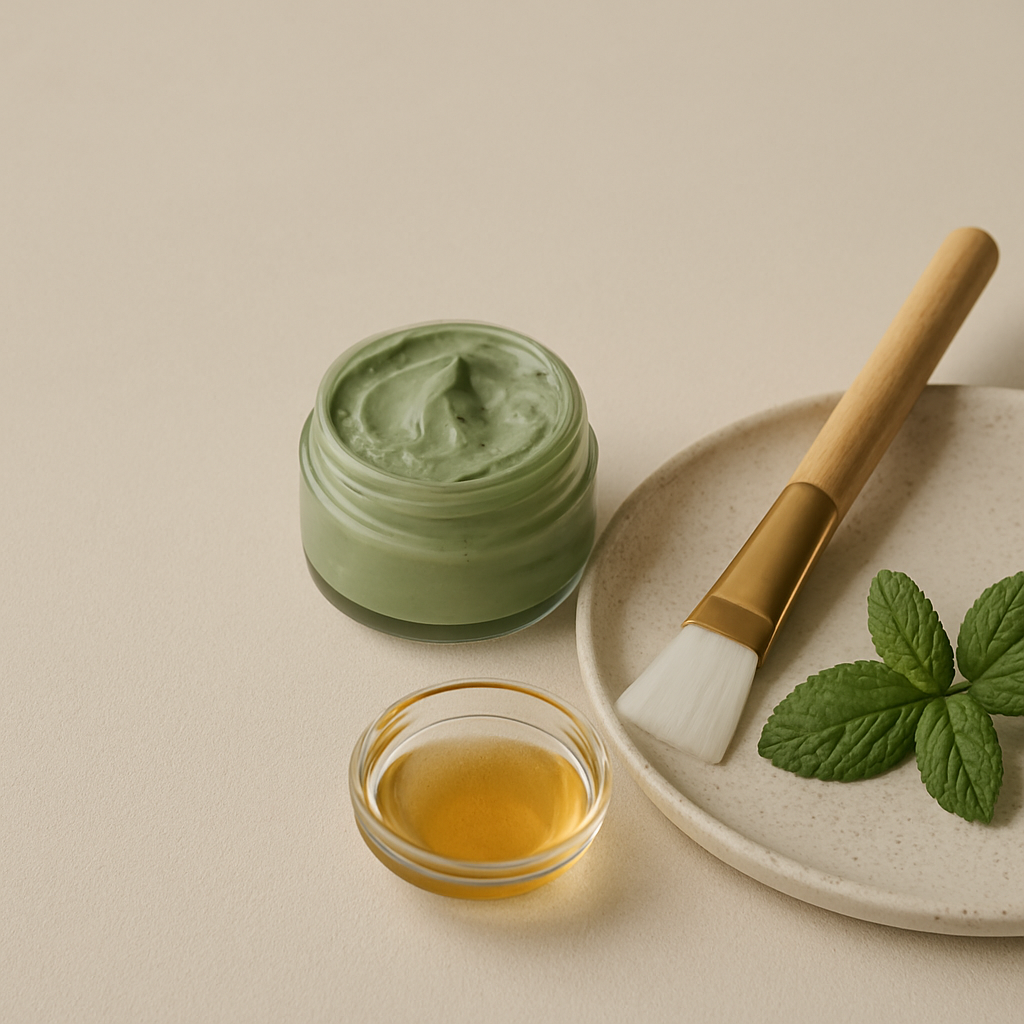
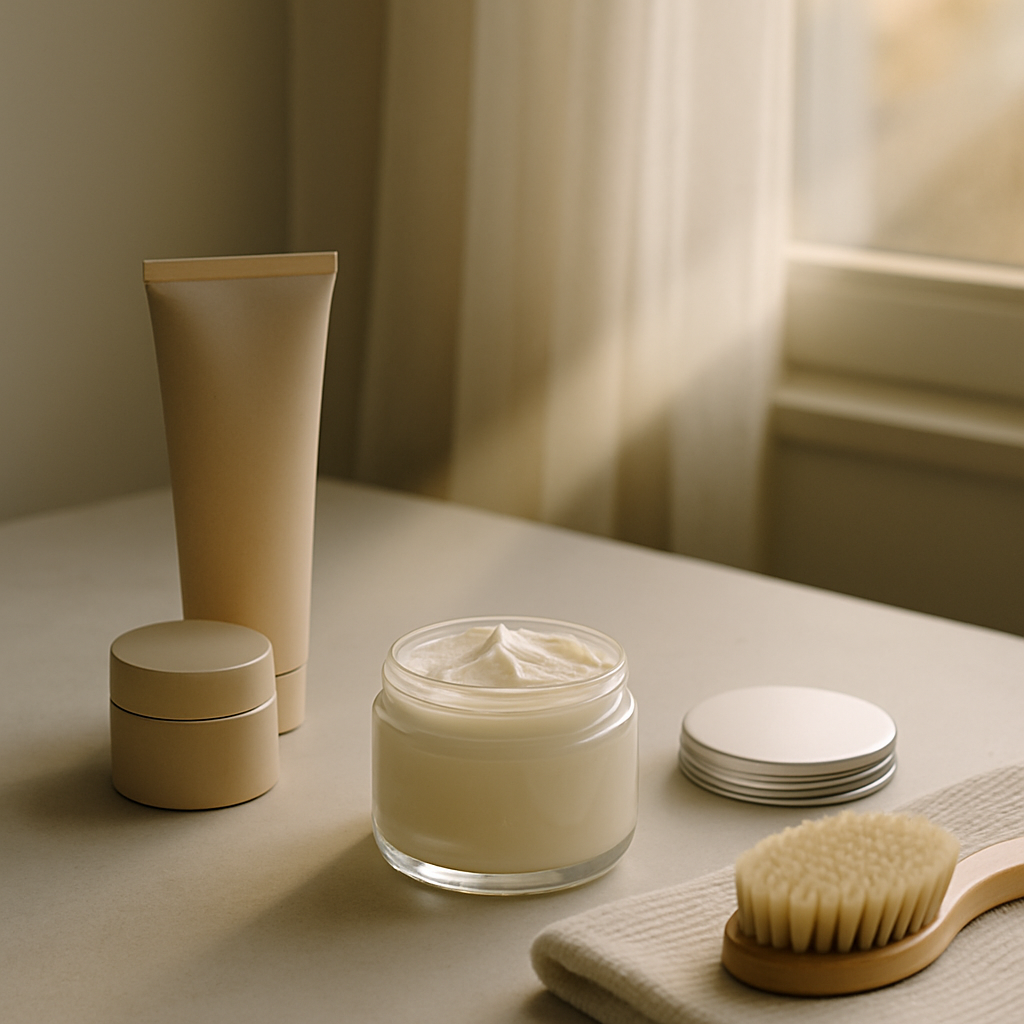
Natural balms are usually discussed in winter, when cold air and indoor heating leave the skin feeling tight. But in a hot climate, especially across the UAE and other sunny destinations, the skin faces a different kind of stress: heat, sweating, air conditioning, frequent showers, sea water, pool chlorine, and daily sun exposure.
The problem is not always a lack of rich products. Often, summer skin needs smarter layering: lightweight hydration, targeted nourishment, and protection from moisture loss without a heavy or sticky feel. The solution is to use natural oils, creams, and balmy textures only where and when your skin truly needs them.
Below is a practical, minimalist guide to using natural balms and oils in summer, with short routines for different skin types, lifestyles, and ages.
Table of Contents
Why Summer Skin Still Needs Nourishment
Summer skin can look shiny and still be dehydrated. Sweat, heat, and humidity may create an oily surface, while repeated cleansing and air conditioning can leave the deeper layers feeling tight or rough. This is why some people experience both shine and flakiness at the same time.
Natural balms and oils can help by supporting softness and reducing the feeling of dryness, especially on areas like elbows, knees, heels, hands, cuticles, and shoulders. The key is to apply them in a thin layer, preferably on slightly damp skin, rather than using a heavy amount on dry skin.
In summer, remember the golden rule: hydrate first, seal lightly second, protect with SPF every morning. AlmaDerm does not replace sunscreen, so always use a broad-spectrum SPF during the day and reapply it as directed, especially after swimming or sweating.
Balms, Oils, and Creams: What to Use When
A summer-friendly routine starts with understanding texture. Oils and balmy formulas are excellent for targeted nourishment, while creams are often better for broader hydration. You do not need many products; you need the right product in the right place.
Use oils for targeted softness
Pure oils are ideal for dry patches, post-shower body care, hair ends, and areas that feel rough after sun, sea, or shaving. A few drops of pure argan oil for skin and hair can be used on slightly damp skin to leave it feeling smoother without overloading it.
Use creams for everyday hydration
When you want a more comfortable daily texture, choose a cream. A coconut-based formula, such as a hydrating coconut cream for face and body, works well for areas that need softness after showering, especially arms, legs, and hands. Apply a thin layer and let it absorb before dressing.
Use face-focused hydration carefully
Facial skin may need a different rhythm in summer. If your face feels dehydrated from air conditioning but you dislike heaviness, a hyaluronic face cream with argan can be used as part of an evening routine or under SPF in the morning if it suits your skin.
3 Steps for a Minimalist Summer Body Routine
For most people, the best summer body-care routine is short, consistent, and easy to repeat. Think of it as three simple steps.
Step 1: Cleanse gently
After sweating, swimming, or a long day outdoors, rinse the skin with lukewarm water rather than very hot water. Hot showers may feel relaxing, but they can make the skin feel drier. Pat the skin with a towel and leave it slightly damp.
Step 2: Hydrate while skin is damp
Apply a light layer of body cream to arms, legs, shoulders, and any areas that feel tight. Damp skin helps the product spread more easily, so you need less and avoid a greasy finish.
Step 3: Seal only where needed
Use oil as a finishing touch on dry zones: elbows, knees, heels, cuticles, or the ends of the hair. This targeted approach gives the benefits of a balm-like routine without making the whole body feel coated.
How to Choose by Skin Type
Summer routines should be adjusted to your skin type rather than copied from someone else. The goal is comfort, not a heavy shine.
Oily or combination skin
If your body or face feels oily in the heat, avoid applying oils everywhere. Use a lightweight cream only where the skin feels tight, and keep pure oil for heels, elbows, or hair ends. For the face, apply hydrating products sparingly and always follow with SPF in the morning.
Dry skin
Dry skin may need a cream after every shower and a few drops of oil on top in specific areas. Focus on consistency rather than quantity. A thin daily layer usually works better than a thick layer once a week.
Sensitive skin
Sensitive skin often prefers simple routines. Introduce one product at a time and patch test before applying widely. Avoid applying essential oils directly to the skin unless they are properly diluted and suitable for your tolerance. If irritation, persistent redness, or discomfort occurs, consult a dermatologist.
Mature skin
With age, skin often feels drier and may lose softness more quickly after sun exposure or frequent washing. A cream plus targeted oil can help maintain a smooth, cared-for feel. Focus on hands, neck, décolletage, elbows, and lower legs, where dryness is often more visible.
After-Sun Comfort Without Heaviness
After a day outdoors, your skin may feel warm, tight, or depleted. The first step is not a heavy balm; it is cooling, gentle care. Take a lukewarm shower, drink water, and avoid exfoliating freshly sun-exposed skin.
Once the skin is clean and slightly damp, apply a thin layer of body cream. If certain areas feel extra dry, add a small amount of argan oil over the cream. This creates a comfortable finish without the suffocating feeling that can happen when rich products are applied too heavily in hot weather.
For facial care after sun exposure, keep the routine calm and minimal. Use hydration, avoid strong actives if your skin feels sensitive, and protect the skin the next day with SPF. If you experience severe redness, blistering, pain, or unusual changes, seek advice from a healthcare professional or dermatologist.
Quick Routines for Busy Lifestyles
Luxury natural skincare can still be efficient. The best routine is the one you can repeat, even when traveling, working long hours, or managing a family schedule.
The 2-minute post-shower routine
- Pat the skin until it is damp, not completely dry.
- Apply a thin layer of coconut cream to arms and legs.
- Press a few drops of argan oil into elbows, knees, or heels.
The beach or pool-day evening routine
- Rinse away salt, chlorine, and sunscreen residue with lukewarm water.
- Use a light cream on the body while the skin is damp.
- Apply oil only to dry patches and hair ends.
The office-in-air-conditioning routine
- Apply a hydrating face cream in the morning if your skin tolerates it well.
- Follow with broad-spectrum SPF before leaving home.
- Keep hands and cuticles comfortable with a tiny amount of cream during the day.
The hair-and-body travel routine
Travel often means dry airplane air, hotel showers, and climate changes. A multi-use oil is practical because it can be used on body dry spots and hair ends. For hair that feels dry or dull after sun and swimming, a natural argan hair serum for dry ends can help restore a smoother look and a more polished finish.
Common Mistakes
Natural products work best when used thoughtfully. These are the mistakes that most often make summer body care feel uncomfortable:
- Applying rich textures before SPF: Heavy layers can interfere with how sunscreen feels and wears. Keep daytime layers light.
- Using too much oil: More oil does not mean more hydration. Hydration comes first; oil helps soften and seal.
- Skipping SPF because the skin feels moisturized: Moisture is not sun protection. Use a dedicated broad-spectrum sunscreen.
- Applying essential oils directly: Essential oils are concentrated and should be used with caution. Do not apply them undiluted to large areas of skin.
- Exfoliating after sun exposure: If the skin feels hot or sensitive, wait. Choose gentle hydration instead.
- Ignoring sweat and sunscreen buildup: Cleanse gently at the end of the day so products do not sit on the skin overnight.
- Using the same amount year-round: Summer usually requires lighter layers than winter, especially in humid climates.
If you enjoy aromatic rituals, use essential oils responsibly and in appropriate ways, such as carefully guided aromatherapy. For example, pure immortelle essential oil is a concentrated botanical product and should not be treated like a ready-to-apply body oil unless properly diluted and suitable for your skin.
FAQ
Can I use natural balms and oils in summer?
Yes, but use them differently than in winter. Apply light layers, focus on dry areas, and use oils mostly at night or after showering on damp skin. During the day, prioritize hydration and SPF.
Should I apply oil before or after body cream?
In most routines, apply cream first and oil second on areas that need extra softness. Cream adds a comfortable hydrating layer, while oil helps leave the skin feeling smoother.
Are oils suitable for oily or combination skin?
They can be, but only in small amounts and targeted areas. If your skin is oily, avoid applying oil all over the face or body in hot weather. Use a few drops only where dryness is visible or uncomfortable.
What should I use after sun exposure?
Start with a lukewarm shower and gentle hydration. Apply a light cream to damp skin, then add a small amount of oil to dry patches if needed. For burns, severe redness, or pain, consult a dermatologist or healthcare professional.
Can I use the same product for face and body?
Sometimes, yes, depending on your skin tolerance and the product instructions. Body skin is usually less reactive than facial skin, so introduce products carefully on the face and patch test if you are sensitive.
Final note: Summer body care is not about avoiding nourishing products; it is about using them with precision. Keep layers light, apply on damp skin, protect with SPF, and listen to how your skin responds. If you have ongoing irritation, acne, eczema-like symptoms, or sensitivity, speak with a dermatologist for personalized guidance.