Cold weather, wind, and dry air in heated spaces can quickly weaken your skin's natural barrier. Proper winter skincare should focus on restoring the lipid layer and providing long-lasting hydration, adapted to local conditions.
This guide offers practical steps for your morning and evening routine, explains how to choose products and which ingredients to look for, and provides recommendations from the AlmaDerm range tailored to the winter season.
Contents
- How cold weather affects your skin
- Why your skin barrier matters in winter
- Key ingredients for winter skincare
- Step-by-step routine (morning and evening)
- Extra protection and helpful habits
- Most common mistakes
- Quick product recommendations (from AlmaDerm)
- FAQ
How cold weather affects your skin
Winter weather brings a combination of low temperatures, cold wind, and dry indoor air. This combination reduces your skin's natural moisture levels and can cause tightness, redness, or flaking.
Sensitive and dry skin suffers the most: lipid loss leads to a more permeable barrier and increased transepidermal water loss. The goal is to prevent moisture loss and soothe irritated skin without adding extra stress.
Why your skin barrier matters in winter
Your skin barrier (the lipid layer and keratinocytes) protects against water loss and external aggressors. When the barrier is compromised, skin loses hydration and becomes prone to irritation.
Key ingredients for winter skincare
Hyaluronic acid
Hyaluronic acid attracts and retains water in the epidermis. A serum with a high concentration of hyaluronic acid delivers instant hydration and works as a base for further protection.
Active collagen and vitamins
Collagen in skincare supports skin tone, while vitamins C and E act as antioxidants that help preserve the integrity of skin exposed to cold air.
Restorative oils and emollients
Argan, lavender, and immortelle are oils that nourish and soften the skin without leaving a greasy film. They're ideal for supporting barrier repair.
For targeted care, try combining a serum with hyaluronic acid or collagen with a rich cream containing oils and antioxidants. For example, Total Care Serum with active collagen, vitamins C and E, and hyaluronic acid and Cream with lavender, immortelle essential oil, and argan oil make a great combination for the winter months.
Step-by-step routine (morning and evening)
Morning routine
The goal of your morning routine is to protect and hydrate your skin before heading out into the cold and throughout the day.
- Cleansing: a gentle gel or cleansing milk removes overnight residue without stripping moisture.
- Toning: a lightweight toner with immortelle refreshes and preps the skin for serum. Recommendation: Immortelle Face Toner.
- Serum: apply a serum with hyaluronic acid or collagen for deep hydration — e.g., Total Care Serum.
- Cream: a richer day cream with UV protection and antioxidants protects and nourishes the skin; for winter we recommend Active Collagen Cream – Collagen +.
- Protection: don't forget SPF even in winter, especially in snowy conditions.
Evening routine
Your evening routine focuses on regeneration and revitalization while you sleep.
- Double cleansing if needed: first remove SPF and/or makeup, then gently cleanse your face.
- Toner or hydrosol: soothes and restores the skin's pH.
- Special treatment: a nighttime retinol or renewal serum. If your skin tolerates retinol well, consider Lift Boost Retinol Serum or Retinol + Vitamin E Night Cream.
- Nourishing cream: finish with a rich night cream that restores lipids.
Extra protection and helpful habits
Simple habits can make your routine more effective. Here are some practical tips for winter:
- Use a humidifier indoors — dry, heated air causes moisture loss.
- Avoid hot showers that can further dry out your skin; lukewarm water is a better choice.
- Wear a scarf and hood to reduce exposure to cold wind.
- Drink plenty of fluids and eat foods rich in omega fatty acids.
- Adapt your makeup: creamy products and tinted balms often retain moisture better than powder-based formulas.
Most common mistakes
- Using harsh cleansers that strip the skin's natural oils.
- Skipping SPF in winter because you assume the sun isn't a concern.
- Over-exfoliating — give your skin time to rebuild its barrier.
- Combining retinol with aggressive acids without gradual introduction.
- Insufficient hydration throughout the day and wearing inadequate clothing against the wind.
- Using only lightweight gels instead of emollient creams for dry skin.
- Not adjusting your routine to weather changes and transitions between heated and cold environments.
Quick product recommendations (from AlmaDerm)
- Total Care Serum with active collagen, vitamins C and E, and hyaluronic acid 20 ml — a serum for deep hydration and tone support.
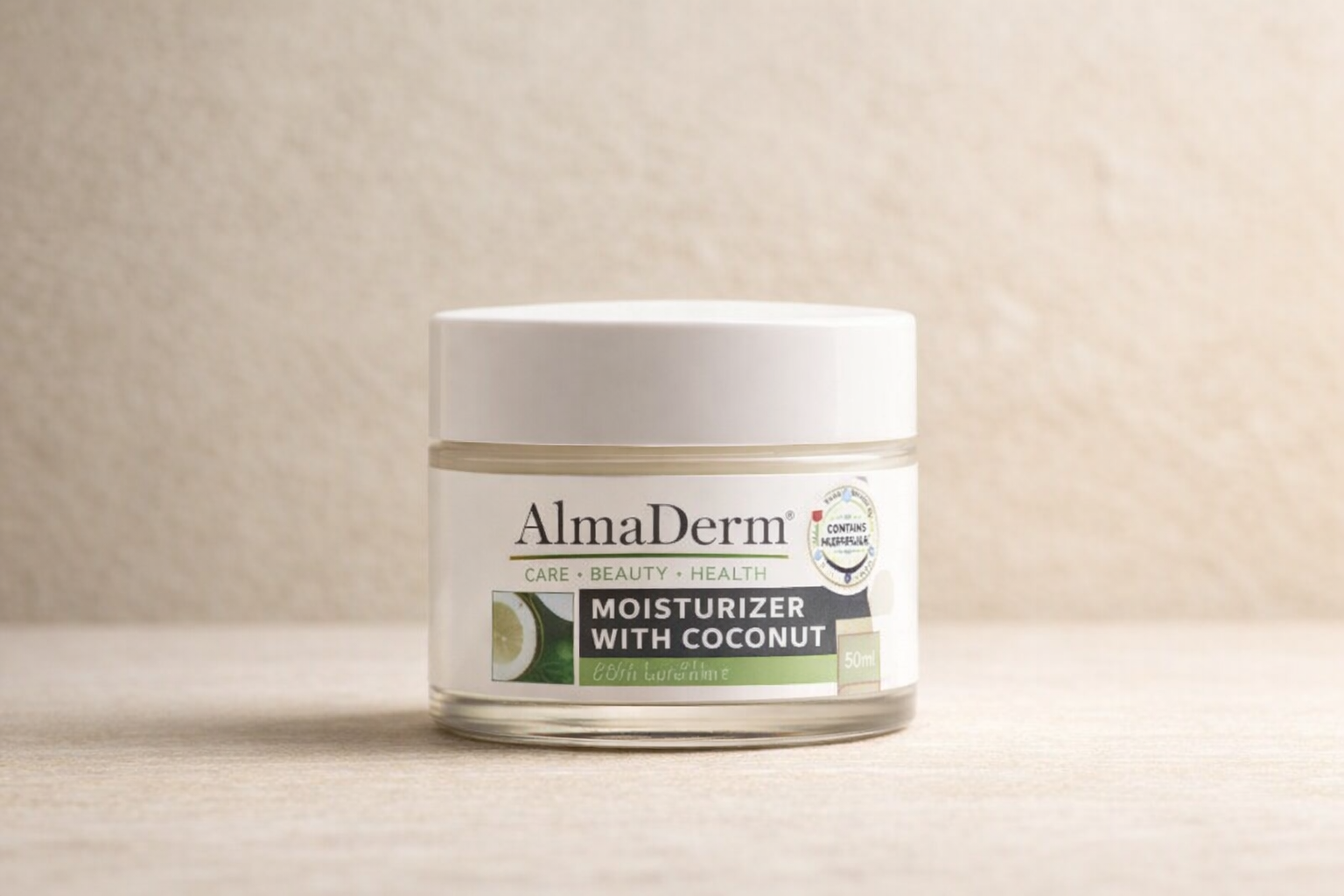
- Active Collagen Cream Collagen+ 50ml — a day cream with UV protection, perfect for colder months.
- Retinol + Vitamin E Night Cream 50ml — a nighttime treatment for renewal; introduce gradually.
- Lift Boost Retinol Serum 20ml — an intensive serum with hyaluronic acid and vitamin E for overnight renewal.
- Immortelle Face Toner 200ml — a soothing toner that's excellent after cleansing.
- Cream with lavender, immortelle essential oil, and argan oil 50ml — a rich, fragrant cream for intensive care and skin barrier support.
FAQ
How often should I use retinol in winter?
Introduce retinol gradually: start with 1–2 times per week, monitor your skin's reaction, and slowly increase to every other night or every night if your skin tolerates it well. Always pair it with a rich night cream and SPF during the day.
Do I need SPF when it's cold and cloudy?
Yes. UV rays are present even in winter, and snow reflection further increases exposure. SPF protects your skin from premature aging and damage.
Which serum should I choose for extremely dry skin?
Look for a serum with hyaluronic acid, combined with oils or collagen. Total Care Serum is a great choice for intensive hydration and barrier support.
How can I reduce redness and irritation in winter?
Use soothing, alcohol-free toners, calming serums, and restorative creams with plant oils. Avoid aggressive cleansing and exfoliants when your skin is irritated.
Is it better to use a cream or oil over my serum?
A combination is often best: a serum with hyaluronic acid works deep within the skin, while a cream or oil "locks in" moisture and restores the lipid layer. For extremely dry skin, use an oil after your serum, then a cream if needed.