Switching to a natural deodorant often sounds simple, but it can raise questions and cause temporary changes to your underarm skin. If you're considering aluminum-free products, want a refined scent, and long-term use that respects your skin — this guide is for you.
Below you'll find practical tips, a complete morning and evening routine, the most common mistakes to avoid, and quick product recommendations from the AlmaDerm range that can help with underarm skin care during the transition.
Table of Contents
- Why switch to natural deodorant
- What to expect in the first few weeks
- How to choose a quality natural deodorant
- Underarm skin care before and after application
- Step-by-step routine (morning and evening)
- Most common mistakes that slow down the adjustment
- Quick product recommendations (from the AlmaDerm range)
- Frequently asked questions
- Quick tips for long-term routine and sustainability
Why Switch to Natural Deodorant
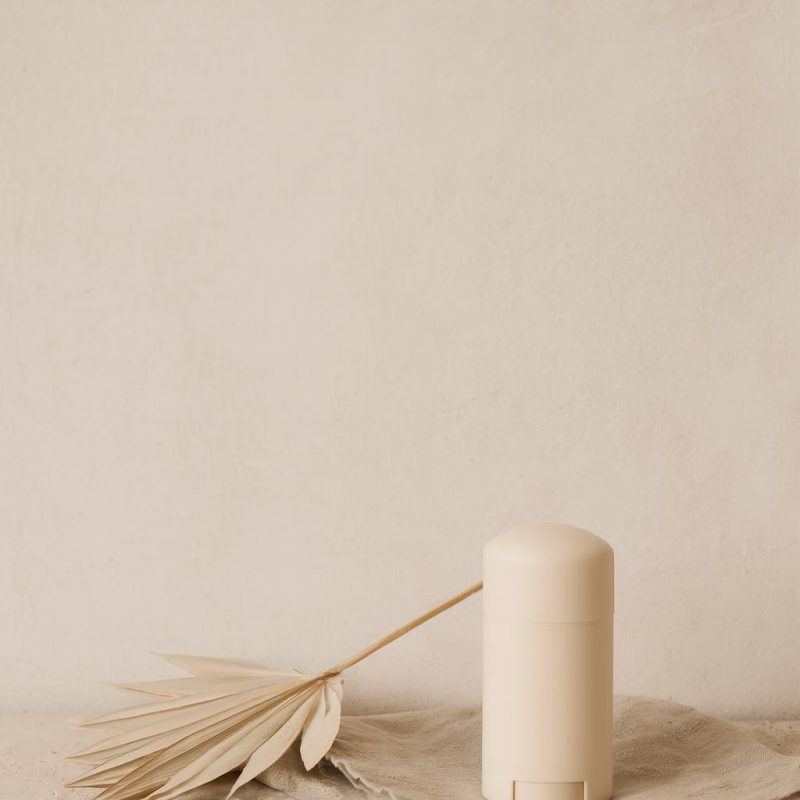
People choose natural deodorant for various reasons: a desire for aluminum-free products, sensitive underarm skin, a preference for milder, refined scents, or a wish for more sustainable cosmetics. Natural deodorants work by neutralizing odor and using natural ingredients that are more compatible with your skin.
What to Expect in the First Few Weeks
When you switch from a commercial deodorant to a natural one, an adjustment phase often occurs. This is normal and usually lasts 2–6 weeks. During this period, you may notice increased sweating or changes in odor as your skin and underarm microbiome stabilize.
How to Track Your Progress
Note how you feel day by day: odor intensity, moisture on clothing, and any irritation. Most people notice fewer issues after the first month of use, especially when choosing products without aluminum and harsh ingredients.
How to Choose a Quality Natural Deodorant
Pay attention to a few key things when choosing:
- Ingredients: avoid parabens, sulfates, and harsh alcohols.
- Aluminum-free: if that's your requirement, clearly look for an "aluminum-free" label.
- Product form: stick, cream, spray, or crystal — each has its advantages; cream formulas are often gentler on underarm skin.
- Scent: if you love a refined fragrance, look for notes that are subtle and natural.
- Long-term use: check reviews and ingredients to ensure the product is sustainable for daily application.
Underarm Skin Care Before and After Application
Underarm skin is thin and can react to changes. Proper care before and after applying natural deodorant will speed up the adjustment and reduce discomfort.
Preparation Before Switching
- Avoid shaving 24–48 hours before changing your formula to reduce the risk of irritation.
- Use a gentle gel or soap without harsh detergents.
- Gentle exfoliation once a week can help, but don't scrub too hard.
Gentle Care After Application
If you experience mild irritation, temporarily stop using the product and apply an emollient cream to soothe the skin. For sensitive skin, gentle moisturizing formulations like Baby & Sensitive Skin Cream 150ml can help, as it's designed to soothe and protect sensitive skin.
Step-by-Step Routine (Morning and Evening)
Morning Routine — Practical and Quick
- Shower: with warm water, using a gentle gel or soap. Focus on general hygiene but don't over-scrub your underarms.
- Drying: thoroughly dry your underarms with a clean towel — natural deodorant adheres best to dry skin.
- Application: apply natural deodorant according to the instructions (a thin layer for cream types or directly for sticks). If using a cream product, warm it slightly between your fingers before applying.
- Clothing: wait a minute or two for the product to absorb before getting dressed, especially with lighter fabrics.
- Throughout the day: if you feel the need, you can reapply, but most natural deodorants are designed for multi-hour protection without touch-ups.
Evening Routine — Restoring Balance
- Cleansing: after the day, rinse your underarms with a gentle cleanser. The goal is to remove impurities and product residue without over-drying.
- Gentle drying: pat your underarms dry and allow them to air-dry completely before bed if possible.
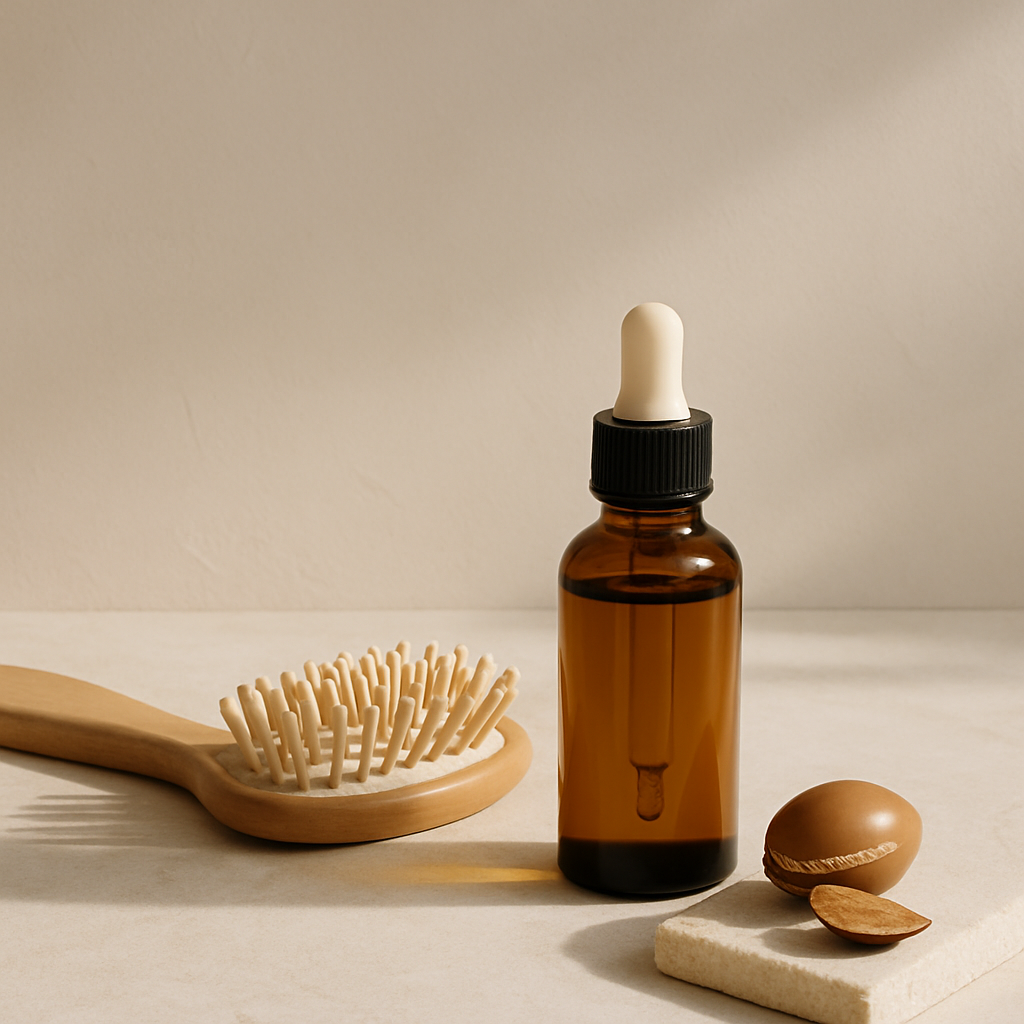
- Nourishing step: apply a thin layer of soothing cream or oil — for lightweight care, you can use a few drops of Argan Oil 50 ml, which nourishes and softens the skin.
- Special care for irritation: if your skin reacts, apply a protective layer of a gentle cream — an example is Baby & Sensitive Skin Cream, which can help restore the skin barrier.
- Sleep: wear cotton clothing that allows your skin to breathe.
Most Common Mistakes
- Expecting the same immediate results as aluminum-based antiperspirants.
- Washing your underarms too frequently with harsh soaps that disrupt the microbiome.
- Using strong fragrance combinations at the beginning of the adjustment period.
- Not enough patience — the adjustment phase can last several weeks.
- Over-exfoliating or irritating the skin after shaving.
- Mixing too many different products at once (e.g., chemical deodorant and natural deodorant simultaneously).
- Improper application — applying to damp skin can reduce effectiveness.
- Using products with a high concentration of essential oils if you have sensitive skin.
Quick Product Recommendations (from the AlmaDerm Range)
- Baby & Sensitive Skin Cream 150ml — a gentle cream formula that soothes and protects sensitive skin, excellent for underarm care after irritation.
- Argan Oil 50 ml — a lightweight oil that nourishes and restores the skin; suitable for nighttime underarm care.
- Respiro Massage Oil with 20% Essential Oils 50ml — can serve as a relaxing step in your evening body routine; use carefully and avoid direct application on freshly irritated skin.
- Serum with High Concentration of Immortelle (20%) and Vitamin C – 20ml — you'll likely use it for your face, but vitamin C can help even out skin tone and support skin recovery; do not use strong active treatments directly on freshly irritated underarm skin.
- Retinol + Vitamin E Night Cream 50ml — for evening facial care; if using retinol on the body, introduce it gradually and avoid applying it directly to the thin underarm skin without expert advice.
How long does the adjustment phase to natural deodorant last?
The adjustment phase typically lasts 2–6 weeks. During this period, the underarm microbiome changes, which can cause temporarily increased sweating or a change in odor. Patience and proper skin care speed up the adjustment.
Is aluminum-free natural deodorant effective for the whole day?
Many natural deodorants provide good protection throughout the workday, but effectiveness depends on the formula, your sweat levels, and activity. Some people need to reapply during the day, especially during more intense activities.
What should I do if I experience irritation after application?
Stop using the product for a few days, soothe the skin with a gentle cream, and avoid additional irritants (harsh soap, perfumes). If the irritation persists, seek professional advice.
What are the best ingredients for sensitive underarm skin?
Moisturizing and soothing ingredients like shea butter, aloe vera, jojoba oil, or argan oil are usually well-tolerated. Avoid high concentrations of essential oils and alcohol.
Can I use natural deodorant after shaving?
It's recommended to wait 24–48 hours after shaving before applying a new product. If you use it right away, choose an unscented version and apply gently.
Quick Tips for Long-Term Routine and Sustainability
For long-term use, look for concentrated formulas with minimal ingredients, recyclable packaging, and products from trusted sources. Long-term use of natural deodorants often results in better skin balance and less need for frequent reapplication.
Conclusion
Switching to natural deodorant requires patience and careful underarm skin care, but with the right routine and appropriate products, the transition can be simple and pleasant. Focus on hydration, avoid harsh ingredients, and monitor changes so you can adapt the routine to your needs.
Disclaimer: The information in this article is general in nature and does not replace professional advice. If you have serious skin problems or allergic reactions, consult a dermatologist.