Men’s skincare is often treated as an afterthought: a quick rinse, a fast shave, and perhaps a splash of aftershave. Yet men’s skin also experiences dryness, irritation, clogged pores, rough texture, and seasonal stress, especially after summer and as autumn brings cooler air and lower humidity.
The good news is that an effective routine does not need ten steps. With the right basics, men can keep skin clean, comfortable, and resilient while still keeping the ritual simple and practical.
In autumn, the focus should be on recovery, barrier support, and preparation for colder days. Think gentle cleansing, smart shaving habits, lightweight nourishment, and natural ingredients that feel comfortable even on sensitive skin.
Table of Contents
Why Men’s Skin Needs a Dedicated Routine
Men’s skin is often thicker and may produce more sebum, but that does not mean it is immune to dryness or sensitivity. Daily shaving, sweat, city pollution, air conditioning, sun exposure, and harsh cleansing can all disrupt the skin’s natural comfort.
The most common problems men notice are simple but frustrating: tightness after washing, razor bumps, flaky patches around the beard, oily shine on the forehead, and occasional breakouts. These are not signs that you need an aggressive routine. In many cases, the skin is asking for balance.
A good men’s skincare routine should do three things: cleanse away buildup, reduce avoidable irritation, and maintain moisture. When these basics are consistent, the skin usually looks calmer, smoother, and more refined.
The Autumn Skincare Reset
Autumn is the ideal time to reset men’s skincare. After summer, the skin may be dealing with excess oil, sun exposure, dehydration, and rough texture. As temperatures drop, the skin also begins to lose moisture more easily, especially in windy weather or indoor heated environments.
In the UAE and other warm climates, autumn can still feel sunny and dry. This means men need a routine that respects both heat and dehydration: light textures, gentle cleansing, and nourishing ingredients that do not feel heavy.
Instead of switching to a complicated cold-weather ritual overnight, adjust gradually. Reduce harsh exfoliation, avoid overly hot water, and introduce supportive oils or richer care in small amounts. Autumn skincare is not about doing more; it is about doing the right things consistently.
Step 1: Cleanse Without Stripping
Cleansing is the foundation of every effective routine. For men, it is especially important because sweat, sebum, sunscreen, beard products, and environmental particles can collect on the skin throughout the day.
However, aggressive cleansing can make the skin worse. Very strong soaps, alcohol-heavy formulas, and frequent scrubbing may remove natural lipids, leaving the face tight and reactive. In response, the skin may produce even more oil.
For a straightforward natural option, men with oily or blemish-prone skin can consider a natural cleansing bar with black cumin, olive oil, and honey. Black cumin is traditionally appreciated in natural skincare routines, while olive oil and honey help make cleansing feel less harsh. Use it once daily at first, preferably in the evening, and observe how your skin responds.
How to cleanse properly
- Use lukewarm water, not hot water.
- Massage gently for 20 to 30 seconds; do not scrub aggressively.
- Rinse well around the nose, hairline, and beard area.
- Pat dry with a clean towel instead of rubbing.
- Follow with hydration while the skin is still slightly fresh.
If you have a diagnosed skin condition, persistent acne, eczema, or severe irritation, it is always best to consult a dermatologist before changing your routine.
Step 2: Shaving and Beard Care
Shaving is one of the biggest sources of irritation in men’s skincare. The blade removes hair, but it can also disturb the skin’s surface. This may lead to redness, bumps, burning, or ingrown hairs, especially when shaving quickly or with a dull razor.
The solution is preparation and aftercare. Shave after a warm shower when the hair is softer, use a clean sharp blade, and avoid pressing too hard. Shaving should be controlled, not rushed. If your skin is sensitive, shaving in the direction of hair growth may be more comfortable than shaving against it.
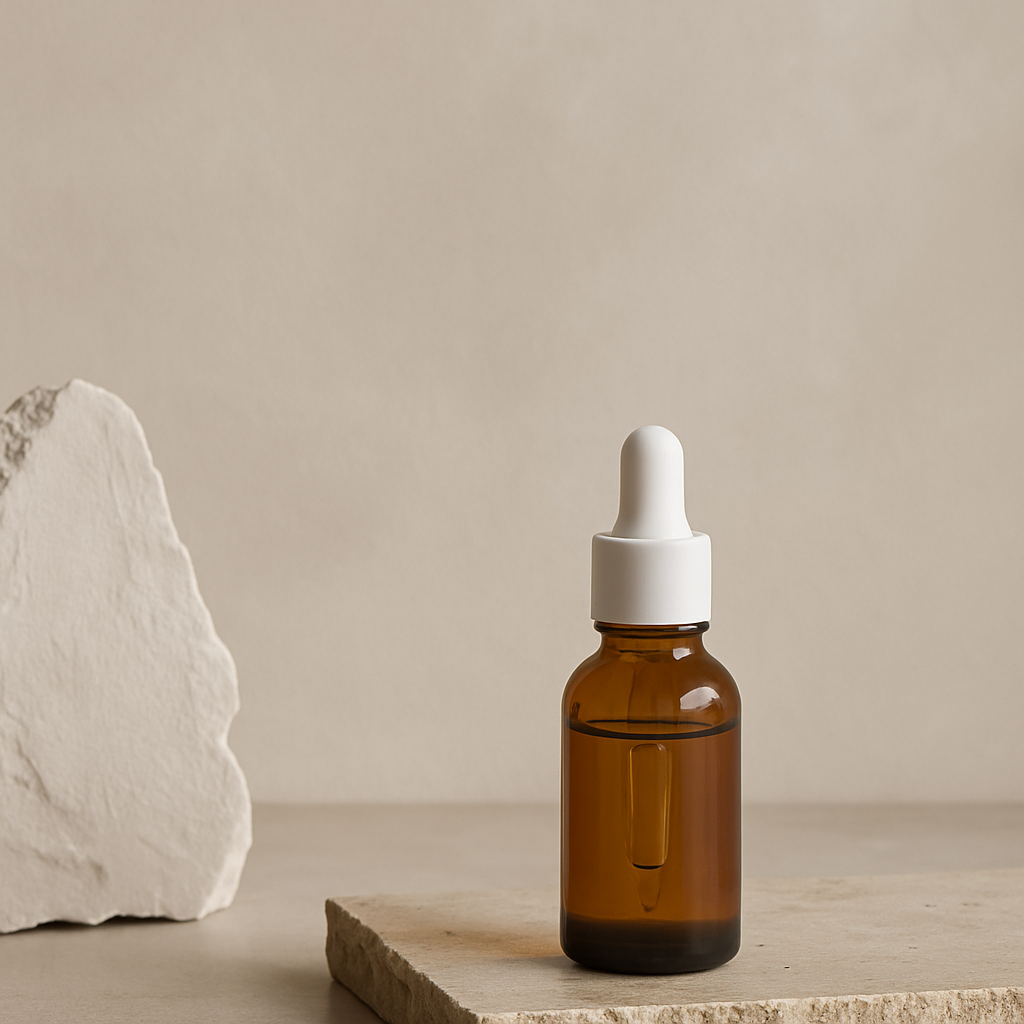
For men with a short beard or dry beard area, a very small amount of pure argan oil for face, beard, and dry patches can help soften the look and feel of the skin and hair. Apply one to two drops to the palms, warm them together, and press lightly onto the beard area. Less is better; the goal is comfort, not shine.
Step 3: Hydrate and Support the Skin Barrier
Many men skip hydration because they associate moisturising with heaviness or shine. But hydration is not optional in autumn. Cooler air, wind, indoor air conditioning, and frequent cleansing can all leave the skin feeling tight, even if it still looks oily.
The skin barrier is your natural protective layer. When it is well supported, the skin usually feels smoother and less reactive. When it is compromised, you may notice stinging after products, flaky areas, increased oiliness, or rough texture.
A minimalist approach can work beautifully: cleanse, then apply a tiny amount of nourishment where needed. For dry cheeks, beard edges, or post-summer roughness, a drop of argan oil can be pressed over slightly damp skin. This is especially helpful for men who prefer natural textures and a routine that does not feel perfumed or complicated.
If you are new to oils, start at night. Apply one drop to dry areas only, not the entire face. This allows you to learn what your skin likes without overwhelming it.
Do Not Forget Hair and Scalp
Men’s grooming is not only about facial skin. Autumn can also reveal dry hair, a tired scalp, and dullness after summer sun, salt water, chlorine, or frequent washing. A polished skincare routine looks incomplete if the hair and scalp feel neglected.
For dry or damaged hair, a natural hair serum with argan, almond, and castor oils can help restore a softer, more groomed appearance. Use a very small amount through the ends or dry areas of the hair. Men with longer hair can apply it before styling, while men with short hair should use it sparingly to avoid heaviness.
Essential oils are popular in men’s grooming, but they should be used carefully. A pure pine essential oil for aromatic rituals may be enjoyed in appropriate aromatherapy use, but essential oils should not be applied undiluted to the face or scalp. If you have asthma, allergies, sensitive skin, or any health concerns, seek professional guidance before use.
Common Mistakes
A simple men’s skincare routine works best when you avoid habits that quietly irritate the skin. These are the mistakes we see most often:
- Using hot water: It may feel refreshing, but it can leave the skin dry and tight.
- Scrubbing too hard: Rough towels, harsh exfoliation, and aggressive cleansing can worsen irritation.
- Shaving with a dull blade: This increases friction and may contribute to bumps or redness.
- Skipping hydration: Oily skin can still be dehydrated, especially in autumn.
- Applying too much oil: Natural oils are concentrated. Start with one drop and adjust slowly.
- Ignoring the beard area: Skin under facial hair can become dry, flaky, or congested.
- Changing everything at once: Introduce new products one at a time so you can see what works.
FAQ
What is the simplest men’s skincare routine?
The simplest effective routine is cleansing in the evening, shaving with care when needed, and applying light hydration or a small amount of nourishing oil to dry areas. In the morning, rinse with water if your skin is not oily, then use suitable daytime protection according to your lifestyle and dermatologist’s advice.
Should men use different skincare in autumn?
Yes, autumn is a good time to focus on recovery after summer and preparation for cooler, drier weather. Choose gentler cleansing, avoid over-scrubbing, and add light nourishment if your skin feels tight or rough.
Can men with oily skin use oils?
Some men with oily skin tolerate small amounts of oil well, especially on dry patches or the beard area. The key is quantity. Start with one drop at night and avoid applying too much to already oily zones.
How can I reduce irritation after shaving?
Use a sharp blade, shave after softening the hair, avoid pressing hard, and do not shave repeatedly over the same area. If irritation is persistent, painful, or severe, consult a dermatologist.
Is natural skincare suitable for sensitive male skin?
Natural skincare can be suitable for sensitive skin when the formulas are gentle and used correctly. However, sensitivity is individual, so patch testing is wise, and professional advice is recommended for ongoing concerns.
A Simple Routine to Start Today
If you want an easy routine that feels realistic, start with the evening. Evening care removes the day from your skin and supports overnight recovery, which is especially valuable in autumn.
Evening routine
- Cleanse gently with lukewarm water and a suitable cleanser.
- Pat the face dry with a clean towel.
- Apply one drop of argan oil to dry patches, beard edges, or rough areas if needed.
- Keep the routine consistent for two weeks before judging results.
Morning routine
- Rinse with water or cleanse lightly if your skin is very oily.
- Shave carefully if needed, using a clean sharp blade.
- Apply light hydration where your skin feels dry.
- Use appropriate sun protection when exposed to daylight, especially in sunny climates.
Final note: Men’s skincare does not have to be complicated to feel refined. Start with consistency, respect your skin barrier, and adapt gently as the weather changes. If you experience persistent redness, acne, severe dryness, or discomfort, consult a dermatologist for personalised guidance.