Hydrating dehydrated skin requires a consistent yet simple approach. In this introduction, we'll explain the basic steps you can follow every morning to give your skin moisture and protection without any heavy feeling.
This guide focuses on practical tips: why ingredients like hyaluronic acid and serums matter, how to choose lightweight creams, and how to organize a morning routine that lasts throughout the day.
Table of Contents
- Understanding Dehydrated Skin
- Key Ingredients for Intense Hydration
- Morning Skin Prep
- Step-by-Step Routine (Morning and Evening)
- Supplements and Daily Habits That Help
- Most Common Mistakes That Lead to Further Dehydration
- Quick Product Recommendations (from the AlmaDerm Range)
- Best Tips for Different Skin Types
- FAQ
Understanding Dehydrated Skin
Dehydrated skin is not the same as dry skin type — it's a condition in which the skin lacks water. It can occur with all skin types: oily, combination, and dry. You'll notice tightness, fine lines, and a dull complexion that easily looks tired.
For proper hydration, it's important to work on two fronts: attracting and retaining moisture. You achieve this by combining ingredients that help lock water into the skin with protective products that prevent evaporation.
Key Ingredients for Intense Hydration
Hyaluronic Acid
Hyaluronic acid helps attract moisture and keep it close to the skin's surface. It's ideal for morning care as it provides an instant feeling of freshness without any greasy shine.
Serums
Serums contain a high concentration of active ingredients; for hydration, choose those with hyaluronic acid and antioxidants. A lightweight vitamin C serum can additionally refresh your complexion; check out the serum with a high content of immortelle and vitamin C for morning use.
Lightweight Creams
For mornings, emulsions or lightweight creams that don't weigh down the skin are best, yet they create a barrier to keep moisture locked in. A cream with hyaluronic acid and UV protection is a practical everyday choice.
Morning Skin Prep
Morning prep starts with gentle cleansing and ends with SPF protection. Avoid harsh soaps that strip natural oils and further dehydrate the skin.
- Gently cleanse your face with a mild gel or micellar solution.
- Use an alcohol-free toner or a light refreshing mist.
- Apply a hyaluronic acid serum to attract moisture.
- Finish with a lightweight cream with UV protection.
Step-by-Step Routine (Morning and Evening)
Morning Routine — Simple and Effective
- Cleansing: a gentle gel or cleansing milk. If you wake up after an intense workout, rinse your face with lukewarm water and reapply a mild cleanser.
- Toning: a lightweight, hydrating toner or refreshing facial mist.
- Serum: apply a few drops of hyaluronic acid serum. If you want extra glow and protection, a vitamin C serum works great in the morning — Magic Vitamin C Serum.
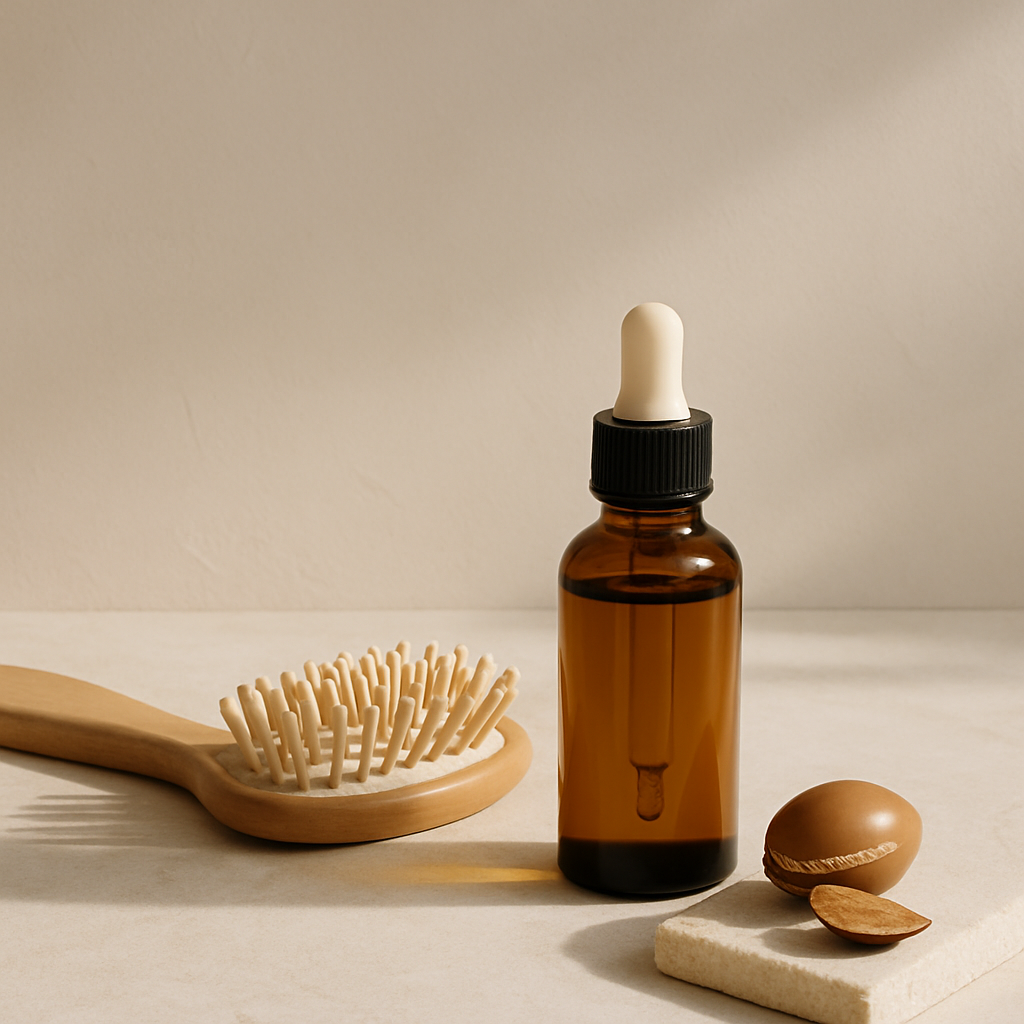
- Oil phase (if needed): for severely dehydrated skin, you can add a few drops of argan oil before your cream — it won't feel heavy if applied in a small amount: Argan Oil 50 ml.
- Cream with UV protection: a lightweight emulsion containing hyaluronic acid and UV factor is the ideal morning finish. Check out Collagen + Cream for daily protection.
- Makeup (optional): apply makeup on well-prepped, hydrated skin — your base will sit better and look more natural.
Evening Routine — Renewal and Recovery
- Double cleansing: first remove SPF and makeup with an oil or balm, then finish with a gentle gel or cleansing milk.
- Exfoliation: use a gentle chemical or physical exfoliant 1–2 times a week; don't overdo it so you don't compromise the skin barrier.
- Masks: once a week, apply a deep hydration mask; to switch up your routine, occasionally try a green mask with honey and mint or a black mask with volcanic clay, depending on your needs: Green Mask and Black Mask.
- Serum and night cream: use a hyaluronic acid serum or anti-aging serum, followed by a nourishing night cream. For more mature skin, the Royal Anti-Age cream can be an excellent choice: Royal Anti-Age Cream.
- Extra oils: if you feel pronounced dehydration, apply an oil to "seal in" hydration before bed.
Supplements and Daily Habits That Help
Internal factors are equally important: drink enough water, eat foods rich in omega fatty acids, and avoid excessive caffeine consumption, which can increase fluid loss.
Use a humidifier indoors if the air is too dry, especially during winter. Also, protecting your skin from the sun and environmental factors throughout the day reduces moisture loss.
Most Common Mistakes
- Rubbing the skin too often or too harshly during cleansing.
- Using soaps and alcohol-based products that dry out the skin.
- Skipping SPF in your morning routine.
- Skipping serums or applying an inadequate amount of product.
- Using heavy, comedogenic creams that clog pores.
- Not adjusting your routine to the season or climate (skin needs more protection in winter).
- Over-exfoliating, which compromises the skin barrier.
- Neglecting internal factors such as body hydration and nutrition.
Quick Product Recommendations (from the AlmaDerm Range)
- Serum with a high content of immortelle and vitamin C — a lightweight serum that refreshes the complexion and contributes to morning hydration.
- Collagen + Cream — a daily cream with hyaluronic acid and UV protection, ideal for everyday care.
- Argan Oil 50 ml — a multifunctional oil for extra care and moisture retention in the skin's surface layer.
- Royal Anti-Age Cream — a nourishing night cream for renewal and strengthening the skin barrier.
- Green Mask with honey and mint — a weekly hydrating treatment for refreshment and recovery.
Best Tips for Different Skin Types
Oily but dehydrated skin benefits most from lightweight serums and gel-creams. Combination skin requires a targeted approach: more hydration in dry zones and mattifying in the T-zone. Dry skin deserves a richer night cream and occasional oil treatments.
For children's and sensitive skin, choose a minimal number of ingredients and gentle formulas. If you use products with potent active ingredients, use them as needed after consulting a professional.
FAQ
How often should I apply hyaluronic acid serum?
You can apply hyaluronic acid serum once or twice daily, in the morning and/or evening, depending on your skin's needs. The key is to apply the serum on slightly damp skin so the moisture-retaining effect is at its best.
Is drinking water alone enough to hydrate the skin?
Drinking water is important for overall health, but topical skincare is essential for direct hydration and barrier preservation. Combine internal and external care for the best results.
What is the difference between dry and dehydrated skin?
Dry skin is a skin type that produces less sebum, while dehydrated skin is a condition that indicates a lack of water and can affect all skin types.
Can I combine oil and serum in the morning?
You can, but apply the oil very sparingly and always before your cream. For a morning routine, a small amount of oil is enough to "seal in" moisture without excessive shine.
Which ingredients should I avoid if I have dehydrated skin?
Avoid products with a high percentage of alcohol, strong fragrances, and aggressive surfactants that further dry out the skin.