Summer is the season when glowing skin feels most desirable, yet it is also when dullness, uneven tone, excess oil, sweat, and sun exposure become more noticeable. Many people reach for vitamin C serum because they want a complexion that looks brighter, smoother, and more awake without using a heavy routine.
The problem is not only pigmentation or tired-looking skin. In hot climates such as the UAE, skin is exposed to strong UV rays, air conditioning, humidity, and frequent cleansing, all of which can make the complexion look uneven. The solution is a simple, consistent routine built around antioxidant care, hydration, and daily SPF.
In this guide, we explain how vitamin C serum brightens the look of the complexion, how to use it safely in summer, and how to choose a minimalist routine based on skin type, age, and lifestyle. If you have persistent pigmentation, melasma, acne, rosacea, or irritation, always consult a dermatologist for personalized advice.
Table of Contents
Why Skin Looks Dull in Summer
A dull complexion often appears as greyish tone, uneven texture, tired-looking skin, visible dark spots, or a lack of natural glow. In summer, this can happen faster because the skin is under more environmental stress. UV exposure may deepen the appearance of existing spots, while heat and sweating can make pores look more visible and texture less refined.
Another common summer issue is dehydration. Even oily and combination skin can become dehydrated when exposed to air conditioning, salt water, heat, and frequent washing. When the skin lacks water, light does not reflect evenly from the surface, so the face can look less fresh even if it feels oily.
This is why brightening should never mean stripping the skin. A good summer brightening routine should support radiance, maintain comfort, and protect the skin barrier. Vitamin C is useful because it pairs beautifully with hydration and sunscreen, creating a short routine that feels lightweight but complete.
How Vitamin C Serum Brightens the Complexion
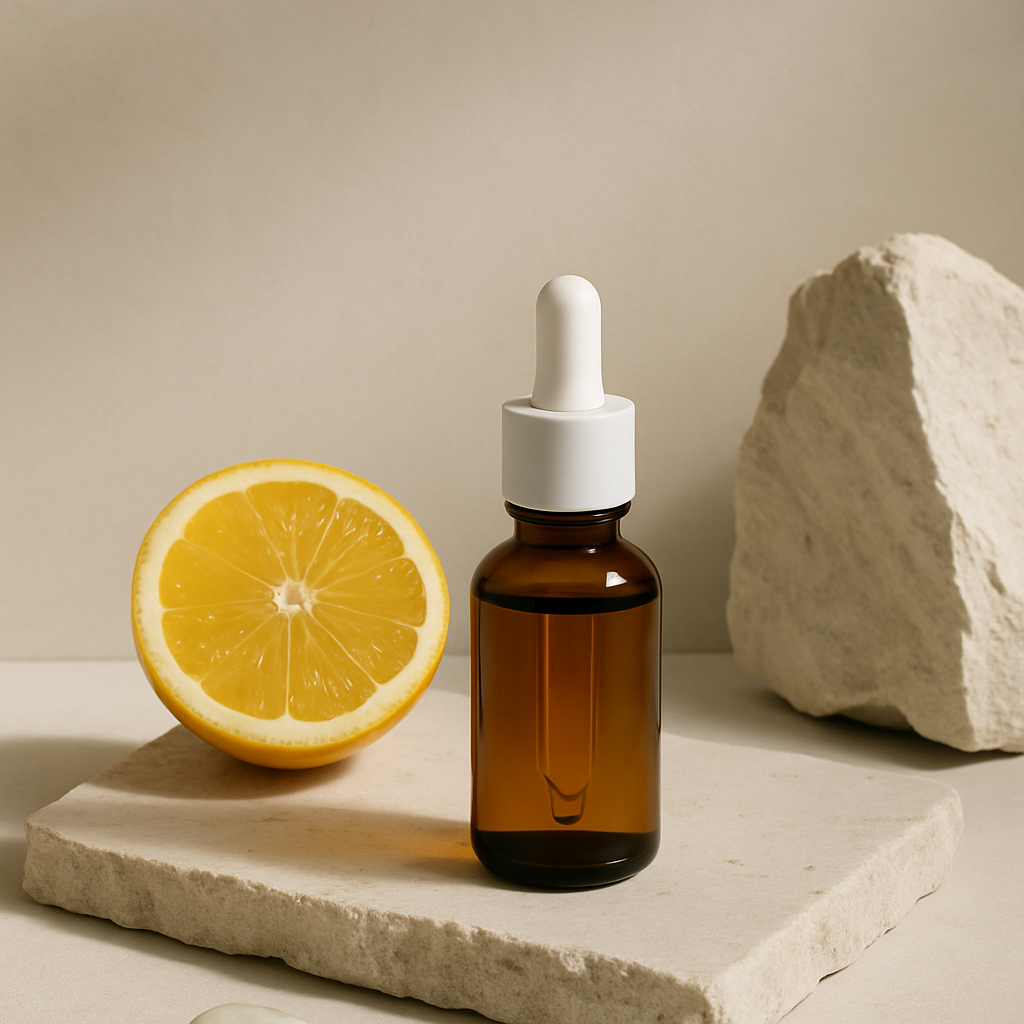
Vitamin C is one of the best-known cosmetic ingredients for a brighter-looking complexion. It is valued for its antioxidant properties, which means it helps defend the skin from visible signs of environmental stress such as pollution, heat, and UV-related oxidative stress. It does not replace sunscreen, but it can be a smart partner in a daytime routine.
Vitamin C also supports a more even-looking skin tone. With consistent use, many people notice that their complexion appears fresher, more luminous, and less tired. It can be especially helpful when the skin looks uneven after sun exposure, stress, travel, or lack of sleep.
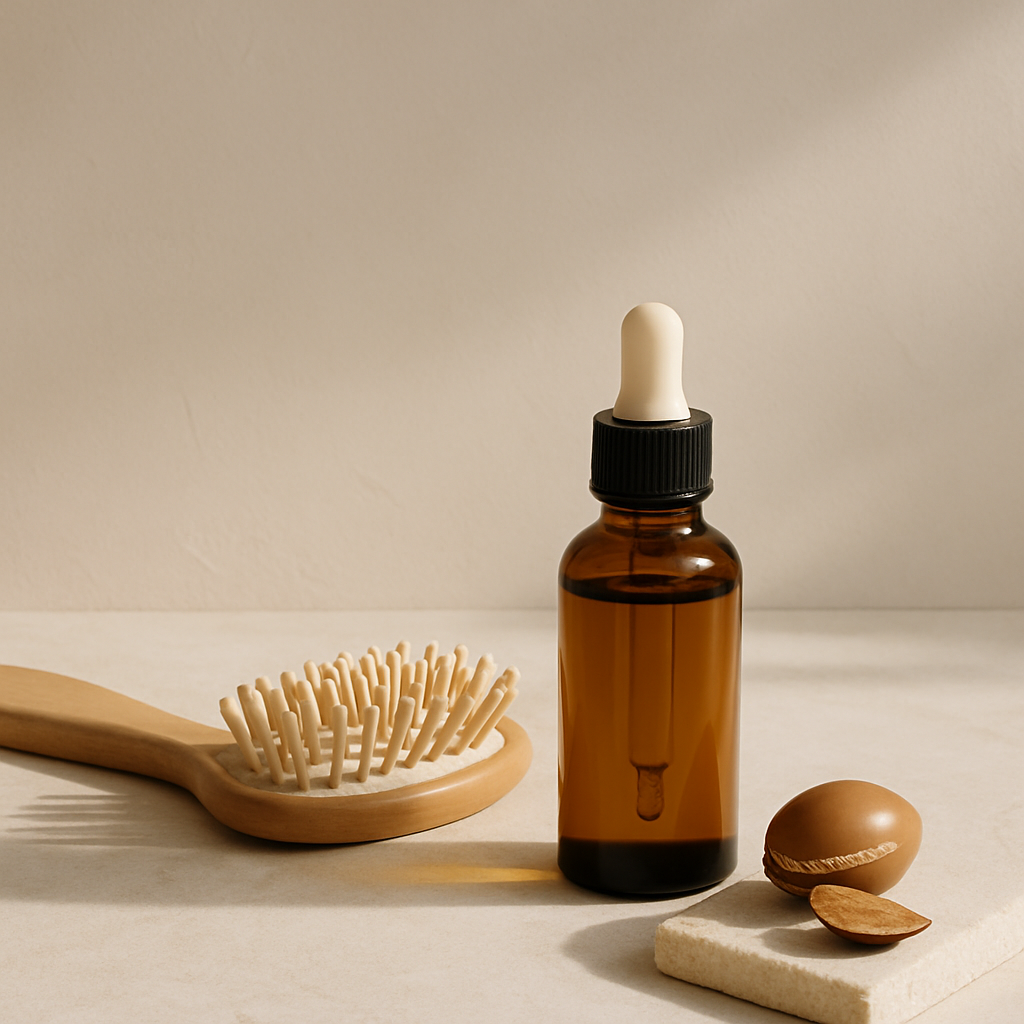
For a natural brightening ritual, AlmaDerm offers a concentrated vitamin C serum with immortelle and argan oil, designed to support a radiant, regenerated-looking complexion. Immortelle, also known as helichrysum, is a treasured Mediterranean botanical, while argan oil helps give the formula a nourishing, silky feel.
The 3-Step Summer Brightening Routine
In summer, the best skincare routine is often the one you can repeat every day. A minimalist routine helps avoid product overload, heaviness, and irritation, especially in hot weather. Think of your morning routine as three essential steps: cleanse, treat, and protect.
Step 1: Cleanse without stripping
Start with a gentle cleanse to remove sweat, overnight oil, and residue. If your skin is oily or combination, cleansing in the morning can help your serum absorb more comfortably. If your skin is dry or sensitive, choose a mild approach and avoid aggressive scrubbing.
Step 2: Apply vitamin C serum
Apply a small amount of vitamin C serum to clean, dry skin. You do not need a thick layer. A few drops are enough for the face and neck, depending on the texture. Let it absorb before applying cream or SPF. If your skin is sensitive, begin every other morning and increase gradually.
Step 3: Seal with hydration and SPF
Hydration keeps the skin comfortable in heat, while SPF helps prevent the visible darkening of spots and uneven tone. For those who want a ready-made daytime routine, the summer-friendly SPF and serum face care set brings together cleansing, serum care, and UV protection for a practical morning ritual.
How to Choose the Right Vitamin C Serum
The right vitamin C serum depends on your skin goals. If your main concern is dullness, uneven tone, and a lack of glow, choose a brightening-focused serum and use it consistently with SPF. If your skin also feels dehydrated, tight, or exposed to air conditioning, look for ingredients that support moisture.
The lightweight serum with vitamin C, vitamin E, collagen, and hyaluronic acid is a strong option for skin that needs both radiance and hydration. Hyaluronic acid helps attract moisture, while vitamin E complements antioxidant care, making the texture especially suitable for a polished summer glow without a heavy finish.
If you prefer a more botanical, oil-based feel, a formula with immortelle and argan can be beautiful in the evening or used sparingly in the morning for drier skin types. The key is to match texture to climate and skin behavior. In humid summer weather, less product often gives better comfort.
Minimalist Routines by Skin Type
Vitamin C can fit many routines, but the surrounding products should change depending on your skin type. Below are simple, effective summer routines that keep the focus on glow, comfort, and protection.
Oily skin
- Morning: gentle cleanse, vitamin C serum, lightweight SPF.
- Evening: cleanse thoroughly, hydrate with a light texture, and avoid layering too many oils.
- Best approach: use small amounts and focus on consistency rather than intensity.
Combination skin
- Morning: cleanse, apply vitamin C serum across the face, use a lighter layer on the T-zone, then SPF.
- Evening: cleanse, add hydration where cheeks feel dry, and keep the forehead and nose lighter.
- Best approach: zone your products instead of treating the entire face the same way.
Dry or mature skin
- Morning: cleanse gently, apply vitamin C serum, follow with a nourishing cream and SPF.
- Evening: focus on replenishment and barrier comfort.
- Best approach: choose formulas that combine brightening with hydration and lipids.
Sensitive skin
- Morning: introduce vitamin C slowly, two to three times weekly at first, then apply SPF.
- Evening: keep the routine calm and simple.
- Best approach: patch test new products and stop use if irritation occurs.
For a more complete natural routine, the premium face care set with cleansing, serum, mask, and hydration can support those who want a structured ritual while still keeping products coordinated.
Choosing by Age and Lifestyle
Your ideal brightening routine also depends on age, schedule, and environment. A person in their twenties may want glow, oil control, and prevention of dullness, while someone in their thirties, forties, or beyond may also want support for elasticity, fine lines, and deeper hydration.
In your 20s: keep it simple. Cleanse, vitamin C, and SPF are usually enough in the morning. Avoid using too many active ingredients at once, especially before beach days or outdoor activities.
In your 30s: add hydration more intentionally. Air conditioning, work stress, and busy travel schedules can make the skin look tired. A serum combining vitamin C and hyaluronic acid is practical because it addresses glow and moisture in one step.
In your 40s and beyond: support brightness, comfort, and a smoother-looking texture. You may alternate vitamin C in the morning with a nighttime renewal product. If you use the retinol serum with hyaluronic acid and vitamin E, apply it in the evening, avoid combining too many strong actives at once, and be extra careful with daily SPF.
For outdoor lifestyles: vitamin C should be paired with diligent sunscreen reapplication, hats, sunglasses, and shade. No serum can compensate for unprotected sun exposure.
For frequent travelers: choose fewer products with multiple benefits. A vitamin C serum, moisturizer, and SPF can help keep your routine stable between humid outdoor air and dry airplane cabins.
Common Mistakes
Vitamin C serum is simple to use, but a few common mistakes can reduce comfort and visible results. Avoid these habits if your goal is a brighter, healthier-looking complexion in summer.
- Skipping SPF: vitamin C supports radiance, but sunscreen is essential for protecting your results from UV exposure.
- Using too much serum: more product does not mean faster brightening. It may only make skin feel greasy or overloaded.
- Mixing too many active ingredients: combining vitamin C, retinol, exfoliants, and strong masks in one routine can irritate sensitive skin.
- Expecting overnight results: visible improvement in tone and glow requires consistent use over time.
- Applying to irritated skin: wait until the skin barrier feels calm before introducing active serums.
- Forgetting the neck and chest: these areas are often exposed to sun and can show uneven tone too.
- Storing products carelessly: keep serums away from direct heat and sunlight, especially in summer.
FAQ
Can I use vitamin C serum every day in summer?
Many people can use vitamin C serum daily, especially in the morning under SPF. If your skin is sensitive, start two to three times a week and increase slowly. If you experience burning, prolonged redness, or irritation, stop use and consult a dermatologist.
Does vitamin C serum replace sunscreen?
No. Vitamin C does not replace sunscreen. It is an antioxidant step that can complement SPF, but daily broad-spectrum sun protection remains essential, particularly in strong summer sun.
How long does it take to see a brighter complexion?
Some people notice a fresher glow quickly, but more even-looking tone usually takes consistent use over several weeks. Results depend on skin type, sun exposure, pigmentation depth, and how reliably you use SPF.
Can oily skin use vitamin C serum?
Yes, oily skin can benefit from vitamin C. Choose lighter layers, avoid heavy creams in the daytime, and let each product absorb before applying SPF. Combination skin can use less product on the T-zone and more on dry areas.
Can I use vitamin C in the morning and retinol at night?
Many routines use vitamin C in the morning and retinol at night, but introduce them gradually and avoid over-exfoliating. If you are pregnant, breastfeeding, using prescription treatments, or managing a skin condition, ask a dermatologist before using retinol.
Final Note
Vitamin C serum brightens the complexion by supporting radiance, helping the skin look more even, and defending against visible environmental stress. In summer, its benefits are best seen when paired with hydration, lightweight textures, and reliable sun protection. Keep your routine minimal, listen to your skin, and seek professional guidance for stubborn pigmentation or ongoing sensitivity.