Summer can be beautiful for the skin, but it also creates the perfect environment for clogged pores: heat, humidity, sweat, sebum, SPF, city pollution, and makeup can all sit on the skin by the end of the day. If your face looks shinier than usual, your T-zone feels congested, or blackheads appear more visible, your pores may need a smarter cleansing ritual.
Clay is one of the most loved natural skincare ingredients for this exact reason. Used correctly, it can help absorb excess oil, bind to surface impurities, and leave the complexion feeling cleaner without turning your routine into a long, complicated ritual.
Below, we follow a simple problem-to-solution approach: why pores feel clogged in summer, how clay works, which type of clay mask to choose, and how to build a short, effective routine for your skin type and lifestyle.
Table of Contents
Why pores feel more clogged in summer
Pores are natural openings in the skin. They allow sebum, your skin’s own oil, to reach the surface and support the skin barrier. The issue is not that pores exist, but that in summer they can appear more visible because of increased oil production, sweat, sunscreen layers, dust, and dead skin cells.
In hot climates, including the UAE and other humid or sun-intense destinations, many people reapply SPF throughout the day. This is essential for sun protection, but if sunscreen is not removed properly in the evening, it may mix with sweat and sebum and make the skin feel heavy or congested.
The solution is not aggressive scrubbing. In fact, over-cleansing can make the skin feel tight and reactive. A better approach is a balanced routine: gentle cleansing, targeted clay masking, hydration, and daily broad-spectrum SPF during the day.
How clay helps cleanse facial pores
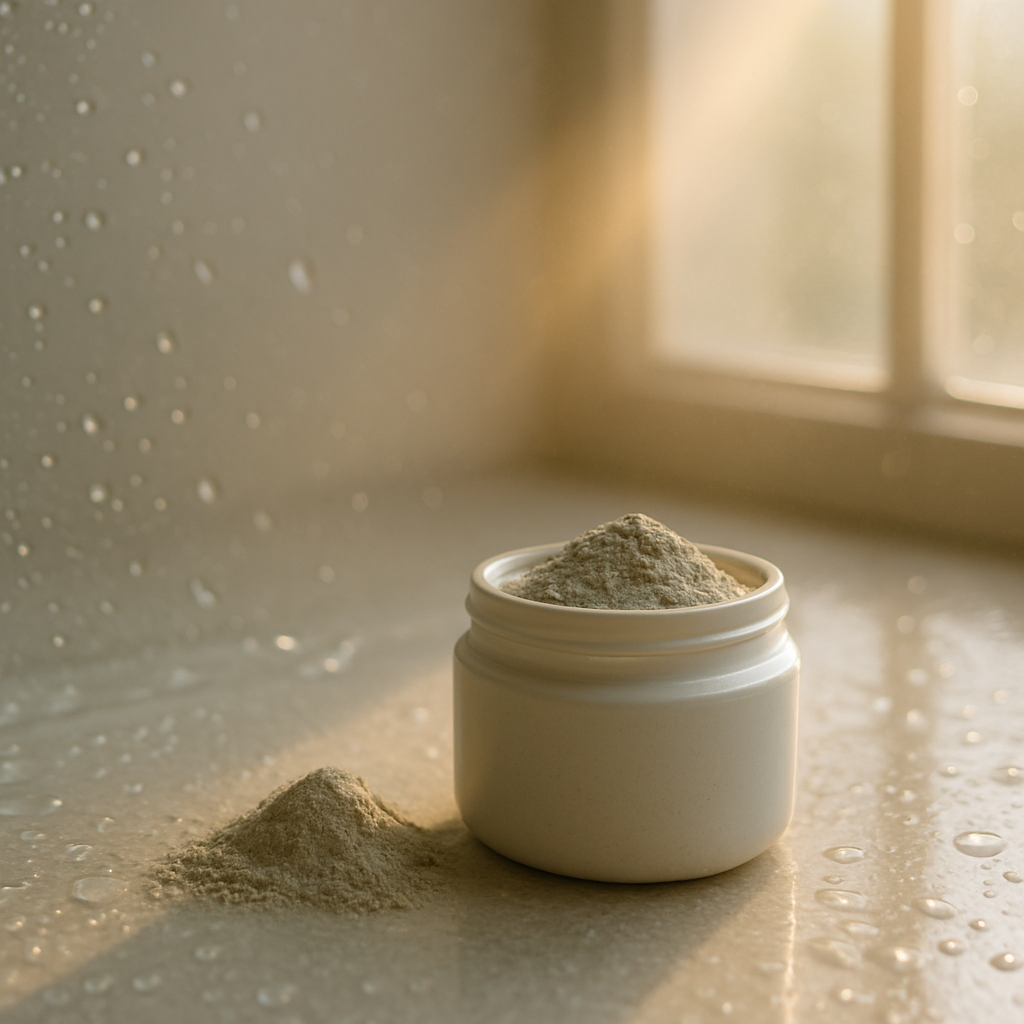
Clay has a naturally absorbent texture. When applied as a mask, it can help draw excess oil from the skin’s surface and collect impurities that make pores look darker or more noticeable. This is why clay masks are especially popular for oily and combination skin.
Different clays have different textures and strengths. Volcanic clay is often chosen for a deep-cleansing feel, while green clay is loved for oily and combination skin that needs freshness and balance. When combined with supportive natural ingredients, clay can be part of a more elegant skincare experience rather than a harsh drying treatment.
For example, a volcanic clay and activated charcoal face mask can be a good option when the skin feels congested, especially around the nose, chin, and forehead. Activated charcoal is often used in masks designed to help lift surface impurities, while immortelle hydrolate supports a refreshed, toned feeling.
However, clay does not permanently shrink pores, and it is not a medical treatment for acne or skin conditions. If you experience persistent breakouts, inflammation, painful cysts, or sudden changes in your skin, it is always best to consult a dermatologist.
Choosing the right clay mask
The best clay mask is the one that matches your skin’s current needs. In summer, skin can change from week to week: travel, air conditioning, beach days, workouts, and long evenings outdoors can all influence how oily, dry, or sensitive your complexion feels.
For oily and congested skin
If your face becomes shiny quickly and your pores look more visible, choose a deeper-cleansing clay mask. Apply it mainly to oily areas, not necessarily the whole face. This is especially useful when the cheeks are normal or slightly dry but the T-zone is oily.
For combination skin
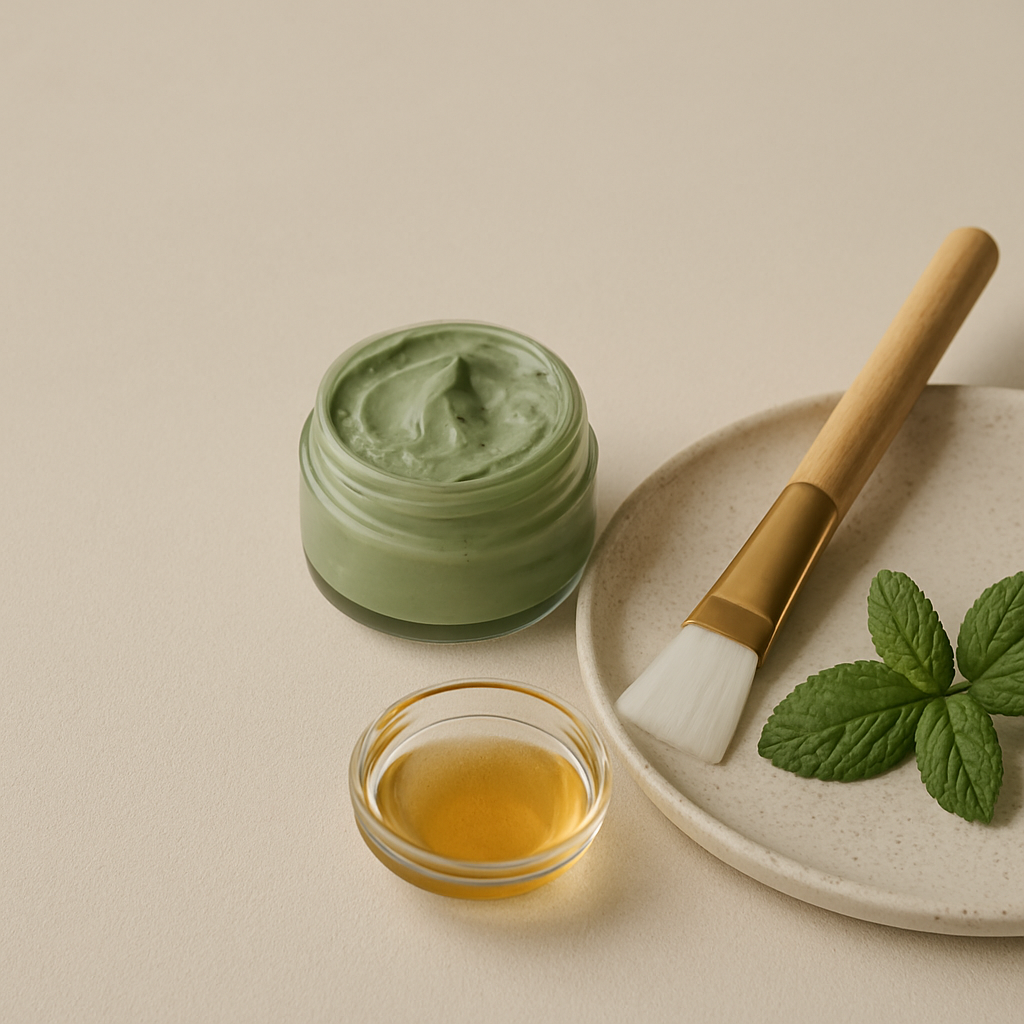
A green clay mask with honey and mint is a natural choice for combination skin that needs cleansing without losing comfort. Green clay helps refresh the look of pores, honey gives a nourishing feel, and mint adds a cooling sensation that is especially pleasant during hot weather.
For sensitive skin
Use clay less often and for a shorter time. Do a patch test first, avoid applying masks after strong exfoliation or sun exposure, and remove the mask before it becomes completely dry and cracked. Sensitive skin usually responds better to gentle consistency than to intensive treatments.
3 steps for a minimalist pore-care routine
A luxury routine does not need to be long. For many people, especially in summer, the most effective skincare is short, consistent, and well chosen. Here is a simple three-step routine for clearer-looking pores.
Step 1: Cleanse gently
Start with a gentle evening cleanse to remove SPF, sweat, and pollution. Avoid harsh scrubbing, especially around the nose and cheeks. If you wear heavy sunscreen or makeup, cleanse thoroughly but do not leave the skin squeaky or tight.
Step 2: Use a clay mask strategically
Apply a thin, even layer of clay mask to the areas that need it most. For oily skin, this may be the full face. For combination skin, it may be only the T-zone. Leave it on according to the product instructions, and remove it while it is still slightly damp rather than completely hardened.
Step 3: Rehydrate and protect
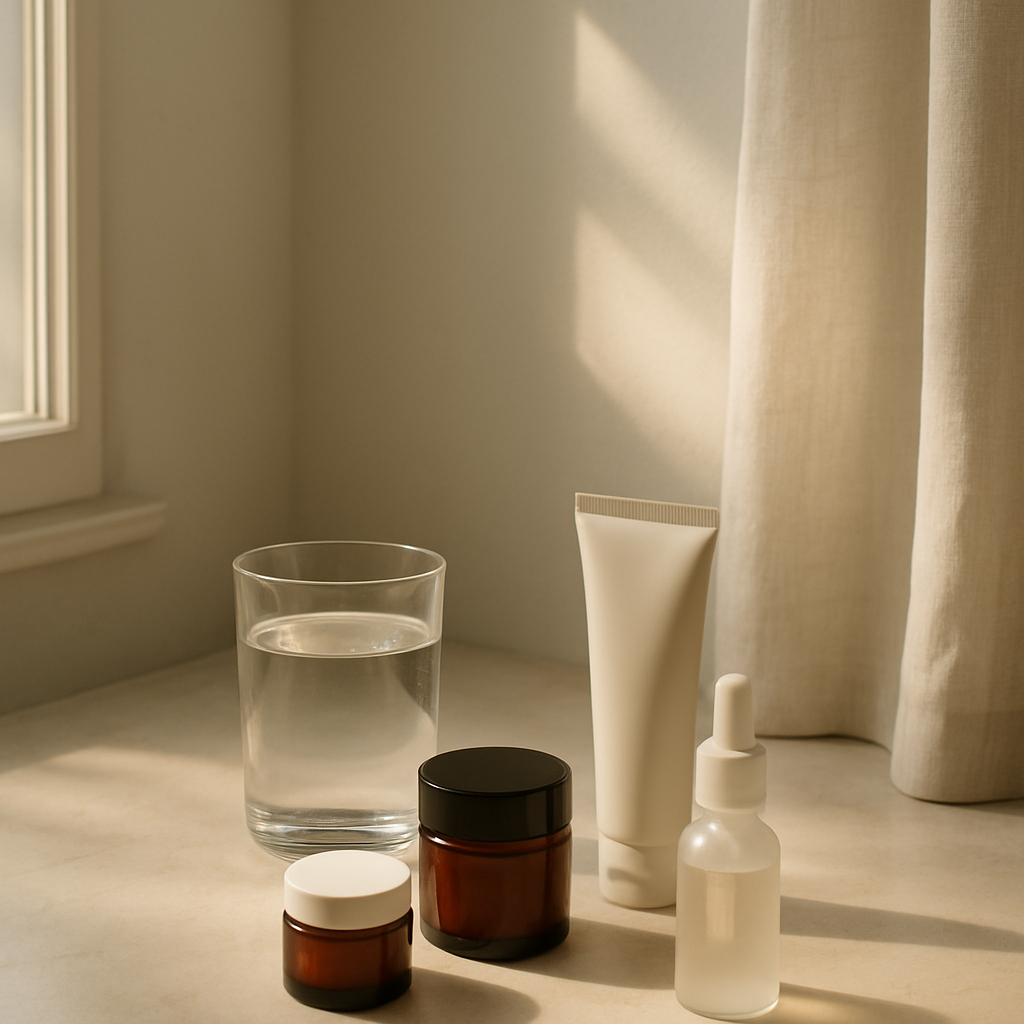
After rinsing, use a hydrating serum or lightweight cream to restore comfort. During the day, finish with broad-spectrum SPF. Clay helps with cleansing, but sun protection helps prevent sun damage, uneven tone, and premature signs of aging.
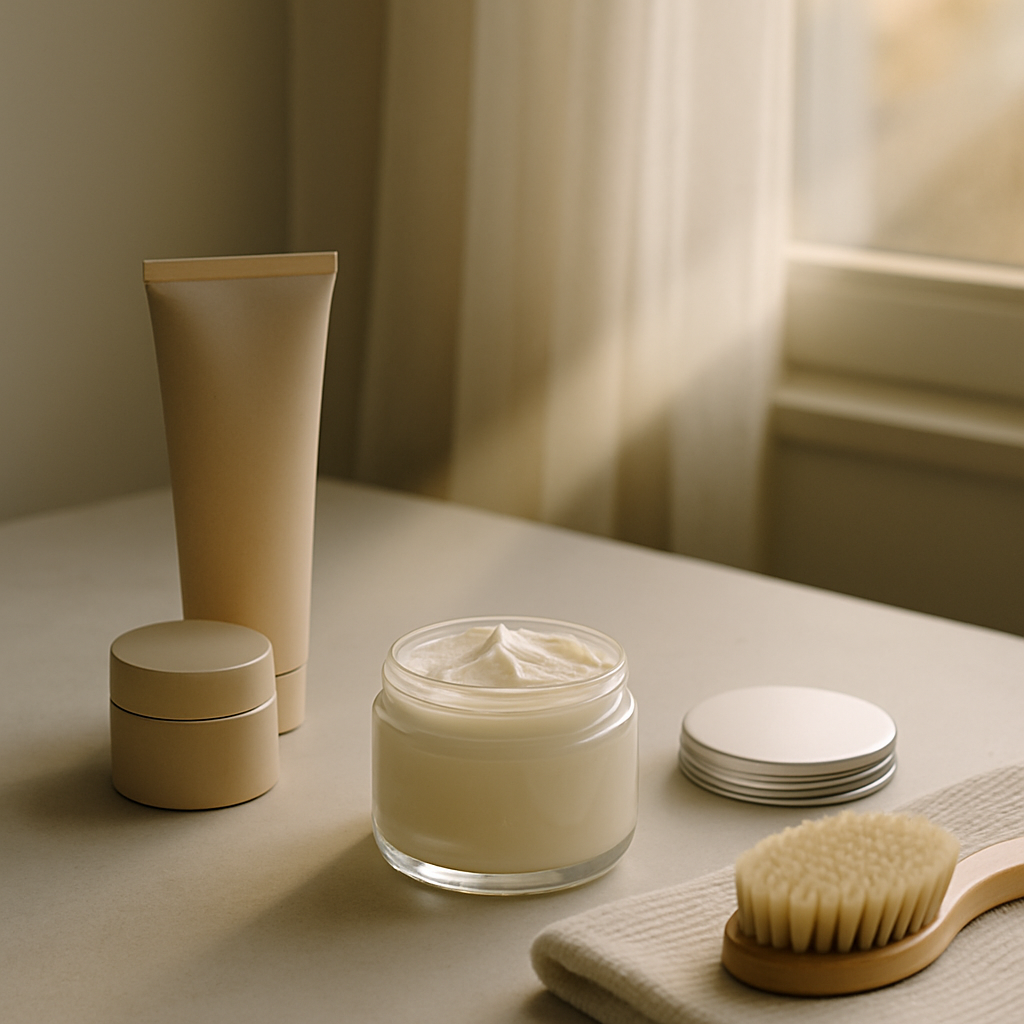
If you prefer a complete routine built around deep cleansing and hydration, a curated set such as the natural four-step face care set with black mask can make product selection easier, especially when you want a ready-made routine rather than choosing each product separately.
Clay routines by skin type, age, and lifestyle
Your ideal clay routine depends on more than skin type. Age, climate, activity level, and daily makeup or SPF use matter too.
Oily skin in hot weather
Use a clay mask one to two times weekly, depending on tolerance. Focus on evening care, and keep daytime textures light. If you live in a humid climate or spend time outdoors, double-check that your sunscreen is suitable for your skin type, but never skip SPF.
Combination skin with an oily T-zone
Try multi-masking: clay only on the forehead, nose, and chin, while leaving the cheeks bare or using a more hydrating product there. This prevents over-drying the areas that do not need deep cleansing.
Dry or mature skin
Clay can still be used, but less frequently. Once every 10 to 14 days may be enough. Keep application time short, avoid letting the mask fully dry, and follow with richer hydration. Mature skin often benefits from maintaining glow and comfort rather than chasing a matte finish.
Active lifestyle and gym days
Sweat itself is not the enemy, but letting sweat, SPF, and pollution sit on the skin for hours can make the complexion feel congested. Cleanse after workouts when possible. Use clay once weekly as a reset, especially if you train outdoors.
Frequent travelers
Flights, air conditioning, and climate changes can dehydrate the skin. If you travel often, use clay only when skin feels oily or congested, not when it feels tight. A balanced collection such as the premium natural face care set for cleansing and hydration can support a more complete routine with cleansing, serum, and cream steps.
What to do after a clay mask
What you apply after clay is just as important as the mask itself. Clay removes excess oil and impurities from the skin surface, so your skin may feel unusually clean. This is the moment to bring back comfort with hydration.
Rinse with lukewarm water, not hot water. Pat the face dry with a clean towel. Then apply a hydrating serum, a lightweight cream, or your preferred moisturizer. If your skin is sensitive, avoid layering strong exfoliating acids or retinoids immediately after a clay mask unless recommended by your dermatologist.
In summer, think of clay as an evening treatment. The next morning, use antioxidant-rich skincare if it suits you, then apply a generous layer of broad-spectrum SPF. Reapply sunscreen during the day, especially after sweating, swimming, or towel drying.
One more important distinction: body exfoliation is not the same as facial pore care. A product like a natural coffee body scrub for smoother summer skin can be lovely for the body, but the face usually needs gentler, more targeted care.
Common mistakes
Clay masks are simple, but small mistakes can make them less effective or less comfortable. Avoid these common habits:
- Leaving the mask on too long: A clay mask does not need to crack to work. Remove it before your skin feels tight or uncomfortable.
- Using clay every day: Daily masking can disrupt the skin barrier. Most skin types do better with one to two applications weekly.
- Skipping moisturizer afterward: Even oily skin needs hydration after deep cleansing.
- Applying clay after sunburn: If the skin is red, hot, or irritated, focus on gentle after-sun care and consult a professional if needed.
- Scrubbing blackheads aggressively: Harsh scrubbing may irritate the skin and make redness more visible.
- Forgetting SPF: Clear-looking pores are not a substitute for sun protection. SPF remains essential every morning.
- Using the same routine all year: Summer skin often needs lighter textures and more attention to sweat and sunscreen removal.
FAQ
How often should I use a clay mask in summer?
Most oily and combination skin types can use a clay mask once or twice a week. Dry, mature, or sensitive skin may prefer once every 10 to 14 days. Adjust based on how your skin feels, and reduce frequency if you notice tightness or irritation.
Can clay remove blackheads?
Clay can help reduce the look of congestion by absorbing excess oil and lifting surface impurities. However, persistent blackheads or acne may need a professional routine, so consult a dermatologist for personalized advice.
Should I use a clay mask before or after exfoliation?
For most people, it is better not to combine strong exfoliation and clay masking in the same routine. If your skin is resilient, separate them on different days. Sensitive skin should keep the routine gentle and simple.
Is clay suitable for sensitive skin?
It can be, but choose carefully, patch test first, and keep the application time short. Do not use clay on irritated, sunburned, or freshly treated skin unless your dermatologist says it is appropriate.
Can I use clay in the morning before SPF?
You can, but evening use is often more practical in summer because clay helps remove the day’s buildup of sweat, oil, and sunscreen. If you use it in the morning, moisturize well and apply broad-spectrum SPF afterward.
Final note
Clay can be a beautiful summer skincare ally when used with balance. It helps the skin feel cleaner, fresher, and less oily, while supporting a more refined look of pores. The key is to choose the right mask, use it only as often as your skin needs, and always follow with hydration and sun protection.
Final note: Skincare is personal. If you have persistent acne, inflammation, rosacea, eczema, or any sudden skin concern, consult a dermatologist before changing your routine.