Green Mask with Honey and Mint: Refresh Your Face in 3 Steps
Summer skin has its own rhythm. Heat, humidity, sweating, sunscreen layers, and city pollution can leave the face feeling heavy, shiny, and less comfortable by the end of the day. For oily and combination skin especially, the goal is not to strip the skin, but to refresh it intelligently.
A green mask with honey and mint is a beautiful minimalist solution: it helps remove excess oil and impurities while keeping the ritual calming, sensory, and naturally luxurious. The key is to use it in the right way, at the right frequency, and always pair it with hydration and daytime SPF.
Below is a practical summer routine inspired by AlmaDerm’s natural skincare philosophy: short, effective, and suitable for real life, from busy mornings to warm UAE evenings.
Table of Contents
Why Summer Skin Feels Congested
In summer, the skin often produces more oil, while sweat and sunscreen can mix with dust, makeup, and environmental particles. This can make pores look more visible and the complexion less fresh. Many people respond by cleansing aggressively or using strong exfoliants too often, but this can leave the skin feeling tight and reactive.
The better approach is balance: gentle cleansing, targeted masking, lightweight hydration, and daily sun protection. A clay-based mask can be helpful when the skin feels overloaded, but it should be used as a treatment step, not as a daily cleanser.
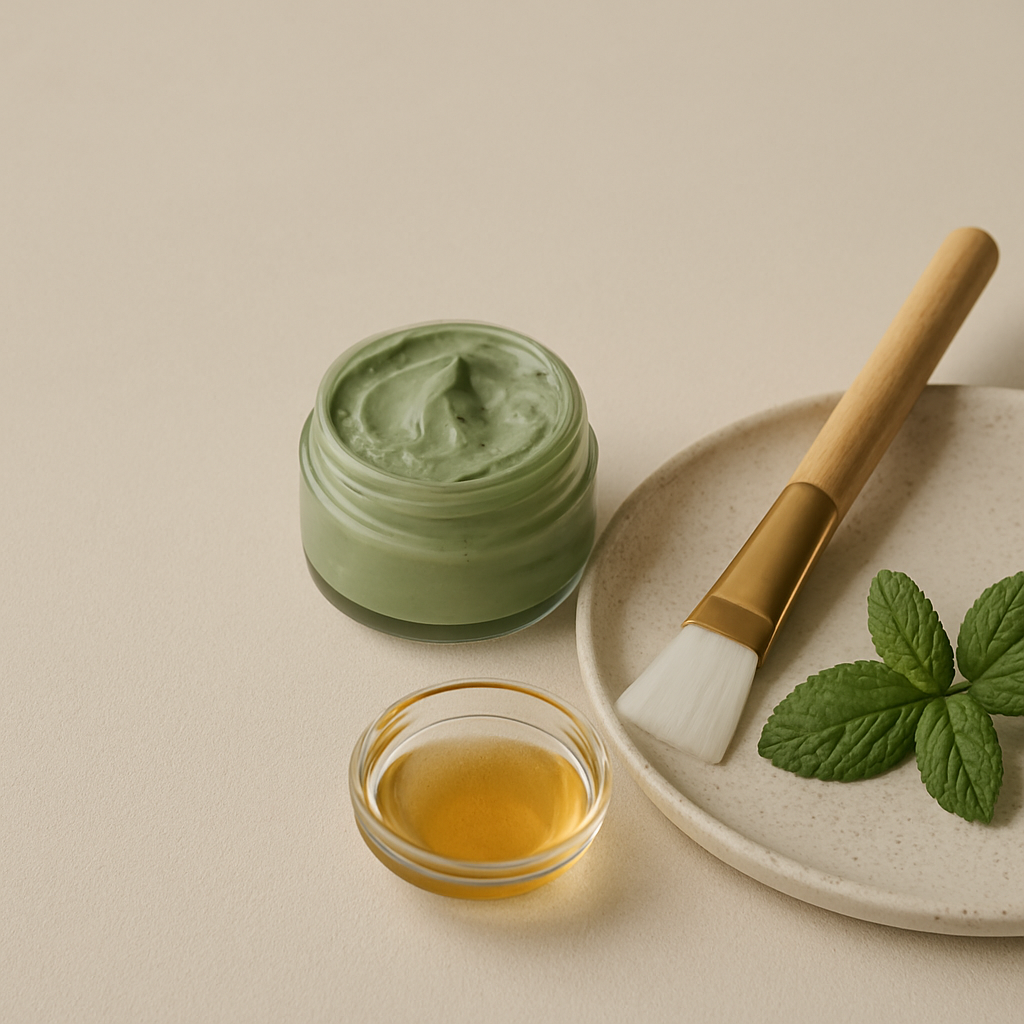
For a refreshing face-care moment, AlmaDerm’s green clay mask with honey and mint is especially suited to oily and combination skin that needs a clean, cool, revitalized feel without a complicated routine.
Why Honey, Mint, and Green Clay Work So Well
The beauty of this combination is that each ingredient brings a different role to the ritual. Green clay is loved in natural skincare for its ability to absorb excess sebum and help lift away impurities from the skin’s surface. It gives that clean, refined feeling many people want during humid weather.
Honey adds comfort. In traditional natural beauty rituals, honey is valued for its softening and nourishing feel on the skin. It helps the mask experience feel less harsh and more balanced, especially when the skin is exposed to air conditioning, sun, and frequent washing.
Mint completes the formula with a cooling, refreshing sensation. In summer, this can make a short masking ritual feel like a small spa treatment after a long day. If your skin is very reactive, always patch test first and avoid applying any mask to irritated or sunburned skin.
Refresh Your Face in 3 Steps
Step 1: Cleanse gently, without over-stripping
Start with clean skin. If you have been wearing SPF, makeup, or spending time outdoors, cleansing is essential before applying a mask. Choose a gentle cleanser that leaves the skin comfortable, not squeaky. For those who enjoy traditional natural cleansing, a softening honey-based cleansing bar can be a lovely option, especially when used carefully and followed with hydration.
If your skin is prone to oiliness or blemish-like congestion, a natural black seed cleansing soap may suit your evening routine. Use lukewarm water, not hot water, and cleanse for a short time. The goal is to prepare the skin, not to exhaust it.
Step 2: Apply the green mask strategically
Apply a thin, even layer of the green mask to areas that need balancing: usually the T-zone, chin, and areas where pores appear more noticeable. You do not always need to apply it all over the face. If your cheeks are normal or dry, keep the mask on the oilier areas only.
Leave it on according to the product guidance and your skin’s comfort level. A clay mask should not feel like a challenge. If it begins to feel overly tight, remove it sooner. Rinse gently with lukewarm water and avoid scrubbing while removing the mask.
Step 3: Rehydrate and protect
After masking, your skin needs moisture. Use a lightweight hydrating cream or serum texture that feels comfortable in heat. During the day, always finish with a broad-spectrum sunscreen suited to your skin type. A mask can make the face feel fresh, but SPF is what helps protect your skin from UV exposure and premature photoaging.
At night, keep the routine simple: cleanse, mask when needed, hydrate. This minimalist approach is ideal for busy schedules and warm climates where heavy layering can feel uncomfortable.
How to Adapt the Routine to Your Skin Type
One of the best ways to make masking effective is to personalize it. Your skin type, climate, and daily habits all matter.
- Oily skin: Use the green mask on the full face or mostly on the T-zone one to two times weekly, depending on comfort. Follow with lightweight hydration, never skip moisturizer completely.
- Combination skin: Multi-mask by applying the green mask only where you shine most. Leave drier cheeks free or use a more nourishing product there.
- Sensitive skin: Patch test first. Use a shorter contact time and avoid masking after sun exposure, exfoliation, waxing, or any irritation.
- Dry skin: Use clay masks sparingly and only on congested areas. Focus more on hydration and barrier comfort.
- Mature skin: Avoid over-drying. Use the mask as an occasional refining step and pair it with nourishing, hydrating care.
If you are unsure whether clay masks are suitable for your skin condition, consult a dermatologist, especially if you experience persistent redness, acne, eczema, or sensitivity.
Choosing Products by Age and Lifestyle
A minimalist routine should still feel intentional. For students, travelers, professionals, and parents, three well-chosen steps are often more sustainable than a long routine that is hard to maintain.
In your 20s, focus on cleansing, balancing oil, hydration, and SPF. A green mask can help when your skin feels overloaded from sweat and sunscreen. In your 30s and 40s, keep the same structure but prioritize hydration after cleansing and masking. In your 50s and beyond, use purifying masks less frequently and focus on comfort, nourishment, and sun protection.
If you prefer a complete routine in one purchase, a curated set such as the premium natural face-care collection can be useful for building a more complete evening ritual, especially when you want cleansing, mask care, serum, and hydration to work together. For skin that feels particularly oily or congested, the charcoal and volcanic clay purifying mask may be a deeper-cleansing alternative, while the green mask remains the fresher, minty choice for a summer reset.
How Often to Use a Mask in Summer
More is not always better. In hot weather, it can be tempting to use a purifying mask every time the skin feels oily, but overuse may create dryness and discomfort. Most people do well with one to two masking sessions per week, adjusted to how the skin feels.
After a beach day, pool day, or long sun exposure, prioritize gentle cleansing, hydration, and calming care rather than clay masking. Do not apply a mask over sunburned or irritated skin. Let the skin recover first, and seek professional advice if you have a concerning reaction.
During the morning, your most important summer step is SPF. Choose a broad-spectrum sunscreen with a texture you enjoy wearing, reapply as directed, and support your skin with hats, sunglasses, shade, and hydration. Natural skincare and sun protection are partners, not alternatives.
For body care in summer, remember that the face is not the only area affected by sweat and SPF. A weekly black seed body scrub for smooth summer skin can help the body feel polished, but keep physical exfoliation away from freshly sun-exposed or irritated areas.
Common Mistakes
Even a beautiful natural mask can disappoint if it is used incorrectly. Avoid these common habits:
- Using the mask every day: Clay treatments are not daily cleansers. Overuse can leave skin feeling tight.
- Skipping moisturizer afterward: Oily skin still needs hydration, especially after a purifying mask.
- Applying to sunburned skin: Wait until the skin has fully calmed and consult a dermatologist if needed.
- Letting the mask crack completely: This may increase dryness and discomfort.
- Scrubbing during removal: Rinse gently and let water soften the mask first.
- Ignoring the neck and hairline when cleansing: Sunscreen and sweat often collect there, which can affect how fresh the skin feels.
- Replacing SPF with skincare: No mask, oil, soap, or cream replaces broad-spectrum sunscreen.
FAQ
Can I use a green mask with honey and mint in summer?
Yes, it can be an excellent summer skincare step, especially for oily and combination skin. Use it in the evening one to two times weekly, then follow with hydration. During the day, always use SPF.
Is the green mask suitable for sensitive skin?
It may suit some sensitive skin types, but patch testing is important. Start with a shorter application time and avoid using it on irritated, sunburned, or freshly exfoliated skin. If sensitivity is persistent, consult a dermatologist.
Should I apply the mask to my whole face?
Not necessarily. Combination skin often benefits from applying the mask only to the T-zone or areas that feel oily. This helps avoid drying out cheeks or more delicate areas.
Can I use a clay mask after a beach day?
If your skin feels hot, red, tight, or sun-exposed, skip the clay mask and focus on gentle cleansing, hydration, and soothing after-sun care. Resume masking only when the skin feels calm.
What should I use after the mask?
Use a lightweight hydrating product that feels comfortable in warm weather. In the morning, finish with broad-spectrum sunscreen. At night, keep the routine simple and nourishing.
Final note: Fresh summer skin is not about doing more; it is about doing the right things regularly. A green mask with honey and mint can be your three-step ritual for a cleaner, cooler, more balanced-looking complexion, as long as you respect your skin’s limits, hydrate well, and protect it daily with SPF.