Summer skin often asks for a different kind of care: lighter textures, smarter cleansing, and enough hydration to stay comfortable in heat, humidity, and air conditioning. If your face feels oilier than usual, your pores look more visible, or sunscreen and sweat seem to build up by the end of the day, clay and activated charcoal can be valuable natural allies.
The goal is not to strip the skin or chase a squeaky-clean feeling. A well-chosen clay or charcoal mask should help remove excess sebum and surface impurities while keeping the skin barrier respected. This is especially important for sensitive skin, which may react to aggressive exfoliation, harsh cleansers, or over-masking.
Below is a practical, problem-to-solution guide to using clay and activated charcoal in a short, effective summer routine, with options for different skin types, ages, and lifestyles.
Table of Contents
Why Summer Skin Feels Congested
In summer, skin is exposed to more sweat, sunscreen, makeup, pollution, and environmental dust. In hot climates such as the UAE, humidity and heat can make sebum feel heavier on the surface of the skin. At the same time, indoor air conditioning can dehydrate the skin, causing it to feel tight in some areas and oily in others.
This combination is common in oily and combination skin, but even dry or mature skin can experience clogged-feeling pores during warmer months. The problem is not always that the skin is dirty; often, it is overloaded. Layers of SPF, sweat, and excess oil need to be removed gently and consistently.
The solution is a balanced cleansing ritual: daily gentle cleansing, targeted masking once or twice weekly, hydration, and daytime sun protection. Clay and activated charcoal fit beautifully into this routine because they work on surface buildup without requiring abrasive scrubbing.
How Clay Cleanses Naturally
Clay is rich in minerals and has a naturally absorbent texture. When applied as a mask, it helps attract excess oil, sweat residue, and impurities from the skin surface. Different types of clay have different strengths, but their shared benefit is that they help the complexion look fresher and more refined without the need for harsh physical exfoliation.
Volcanic clay is especially appreciated in clarifying masks because of its ability to absorb oil and leave skin feeling purified. Green clay is another popular option for oily and combination skin, as it supports a clean, matte, refreshed look. In a natural skincare routine, clay is best used as a weekly treatment rather than a daily cleanser.
For summer, clay masking is particularly useful after long days outdoors, travel, workouts, or frequent SPF reapplication. It can help reset the skin before you apply hydrating and soothing products in the evening.
What Activated Charcoal Does for the Skin
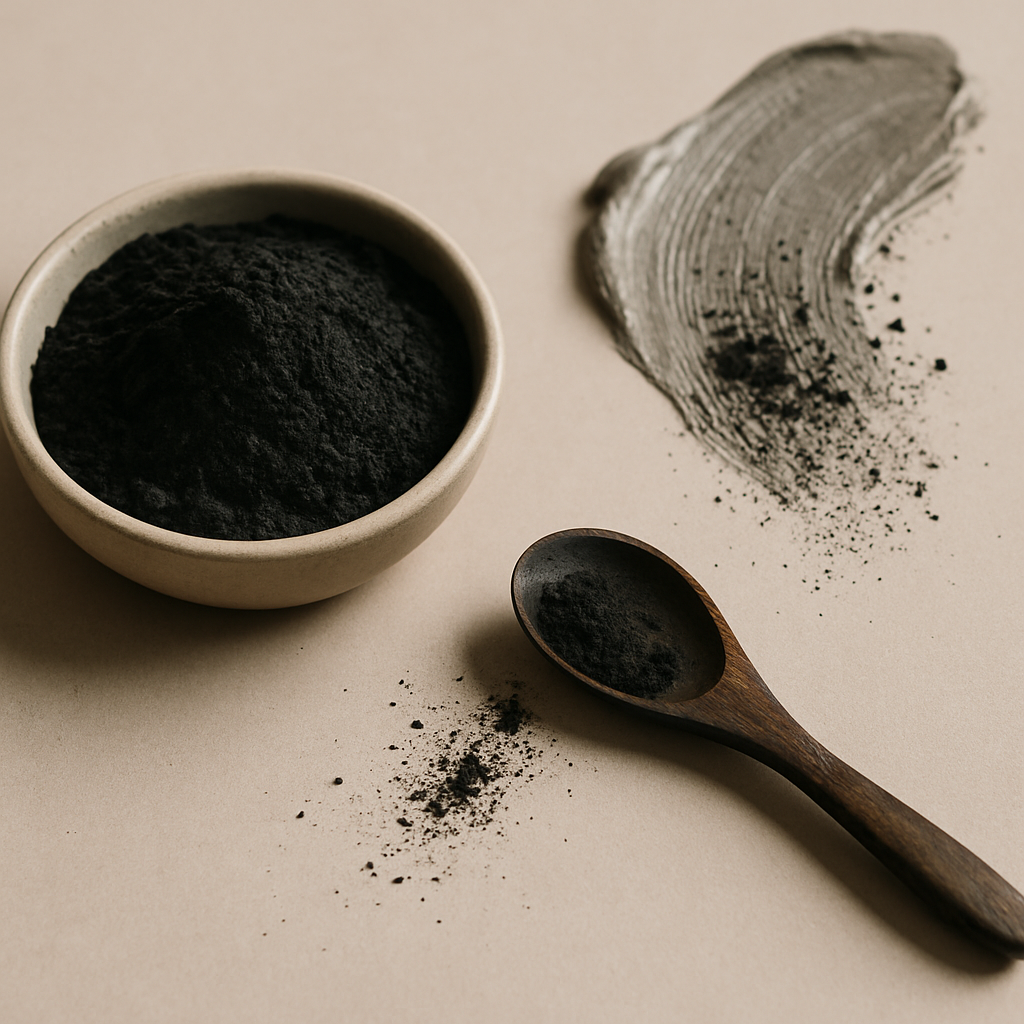
Activated charcoal is known for its porous structure, which allows it to bind to surface impurities and excess oil. In facial care, it is often used in masks designed for congested-looking pores, shiny T-zones, and skin that feels weighed down by sunscreen or pollution.
It is important to use charcoal wisely. More is not always better. A mask with activated charcoal should be applied in a thin, even layer and removed before it becomes uncomfortably dry. Leaving any clay or charcoal mask on for too long can make the skin feel tight, which is not the same as being truly clean.
For a natural yet effective option, AlmaDerm offers a clarifying black face mask with volcanic clay and activated charcoal. It combines volcanic clay, activated charcoal, and immortelle hydrolat, making it especially suitable for skin that needs a deep-clean feel while still appreciating botanical care.
How to Choose the Right Mask
The best mask is the one that matches your skin type, your climate, and your lifestyle. A product that works beautifully for very oily skin may feel too intense for dry or reactive skin. In summer, it is also wise to consider how often you wear makeup, how much time you spend outdoors, and whether your skin is exposed to air conditioning daily.
For oily and shine-prone skin
Choose a clay and charcoal mask when the skin looks glossy, pores appear more visible, or your SPF feels heavy by evening. The natural charcoal and volcanic clay mask is a good match for a weekly pore-refining ritual, especially on the forehead, nose, and chin.
For combination skin
Try multi-masking. Apply a clarifying mask only to the T-zone and a gentler, nourishing mask to the cheeks. This avoids drying out areas that do not produce as much oil.
For sensitive or easily dehydrated skin
Use clay masks less often, keep application time shorter, and follow with hydration. If your skin is very reactive, patch test first and consult a dermatologist, especially if you are dealing with persistent redness, irritation, or acne-like concerns.
For skin that wants freshness with softness
If you want a cooling, refreshed feel, the green clay mask with honey and mint is a beautiful option for oily and combination skin. Green clay helps cleanse, honey brings a comforting nourishing touch, and mint adds a fresh sensation that feels especially pleasant in summer.
A Minimalist 3-Step Summer Routine
A good summer skincare routine does not need ten steps. In fact, many people see better comfort and consistency with a shorter ritual. The key is to cleanse well, treat only when needed, and protect the skin every morning.
3 steps for a fresh, balanced face
- Step 1: Gentle cleanse. In the evening, remove sunscreen, sweat, and makeup with a gentle cleanser suitable for your skin. Avoid harsh scrubbing, especially if you will use a mask.
- Step 2: Mask strategically. Use a clay or charcoal mask one to two times per week. Apply a thin layer, focus on congested areas, and rinse before the mask feels overly dry or cracked.
- Step 3: Hydrate and protect. After masking, apply lightweight hydration. In the morning, always use sun protection. A hydrating face cream with UV support such as AlmaDerm collagen cream with hyaluronic acid and UV protection can be part of your daytime routine, followed by a broad-spectrum SPF if you are outdoors for extended periods.
Short Routines by Skin Type and Lifestyle
Different skin needs different rhythms. The right frequency can make the difference between a refreshed glow and over-cleansed discomfort.
For oily skin in hot, humid weather
Use a clay or charcoal mask twice weekly if your skin tolerates it. Focus on the T-zone and areas where sunscreen tends to collect. Follow with a lightweight, hydrating product rather than a heavy cream at night.
For combination skin and busy professionals
Keep it practical: cleanse every evening, mask the T-zone once weekly, and maintain daily SPF. If your cheeks are normal or dry, do not apply the clarifying mask there every time. Multi-masking saves time while respecting different zones of the face.
For mature skin seeking clarity without dryness
Use clay masks less frequently, around once every 7 to 10 days. Prioritize hydration after every mask. Ingredients such as hyaluronic acid and vitamin E can help skin feel smoother and more comfortable, especially when paired with proper sun protection.
For active lifestyles, gym routines, and travel
Sweat itself is not the enemy, but leaving sweat, SPF, and city dust on the skin for hours can make the face feel congested. Cleanse soon after workouts when possible, and reserve your clay mask for evenings after heavy sunscreen use or travel days.
Common Mistakes
Clay and activated charcoal are effective when used with balance. These common mistakes can make even a good mask feel too intense:
- Leaving the mask on too long. A mask should not become painfully tight or flaky. Rinse when it is set but still comfortable.
- Masking every day. Daily clay or charcoal use can disturb the skin barrier and increase dryness or sensitivity.
- Skipping moisturizer afterward. Clarifying does not replace hydration. Always follow with a suitable cream or serum.
- Using masks on irritated or sunburned skin. If your skin is burned, peeling, or stinging, focus on soothing after-sun care and consult a dermatologist if needed.
- Scrubbing before or after masking. Combining strong exfoliation with clay can be too much, particularly for sensitive skin.
- Ignoring the cheeks. Combination skin may need oil control on the nose but nourishment on the cheeks.
- Forgetting SPF the next morning. A clear-looking complexion still needs daily UV protection, especially in summer.
FAQ
How often should I use a clay or activated charcoal mask in summer?
Most skin types do well with once weekly use. Oily skin may tolerate twice weekly, while sensitive or mature skin may prefer every 7 to 10 days. Adjust based on how your skin feels afterward.
Can clay and charcoal remove blackheads?
They can help reduce the look of congestion by absorbing excess oil and lifting surface impurities. However, persistent blackheads, acne, or inflammation should be discussed with a dermatologist for personalized guidance.
Should I use a clay mask before or after sun exposure?
Evening is best. After sun exposure, cleanse gently and focus on hydration. Avoid clay masks on sunburned or irritated skin.
Is activated charcoal suitable for sensitive skin?
It can be, but frequency and contact time matter. Patch test first, use a thin layer, and rinse before the mask feels overly dry. If you react easily, consult a dermatologist.
Can I use clay masks if I wear SPF every day?
Yes. In fact, a weekly clay mask can be a helpful addition for people who wear sunscreen daily, especially in hot climates. It supports a clean, fresh feel after product buildup.
Final note
Clay and activated charcoal can cleanse the face in a natural, elegant, and effective way when they are used with moderation. The best results come from consistency: gentle cleansing, targeted masking, lightweight hydration, and daily sun protection. If your skin is irritated, inflamed, or persistently breaking out, seek advice from a qualified dermatologist before changing your routine.