When your complexion looks tired, tight, or less radiant than usual, the problem is often not that your skin needs more products. It may simply need a short, well-chosen refresh: gentle cleansing, a targeted mask, and moisture that supports the skin barrier.
Fruit masks are loved because they feel fresh, sensorial, and naturally luxurious. However, fruit acids, sugars, and enzymes can also be too intense when used incorrectly, especially for sensitive skin or in hot climates such as the UAE. The solution is a minimalist, skin-type-specific approach that gives you glow without overdoing it.
Below is a practical guide to using fruit-inspired face masks safely and effectively, with quick routines for different lifestyles, ages, and skin needs.
Table of Contents
Why Fruit Masks Refresh the Face
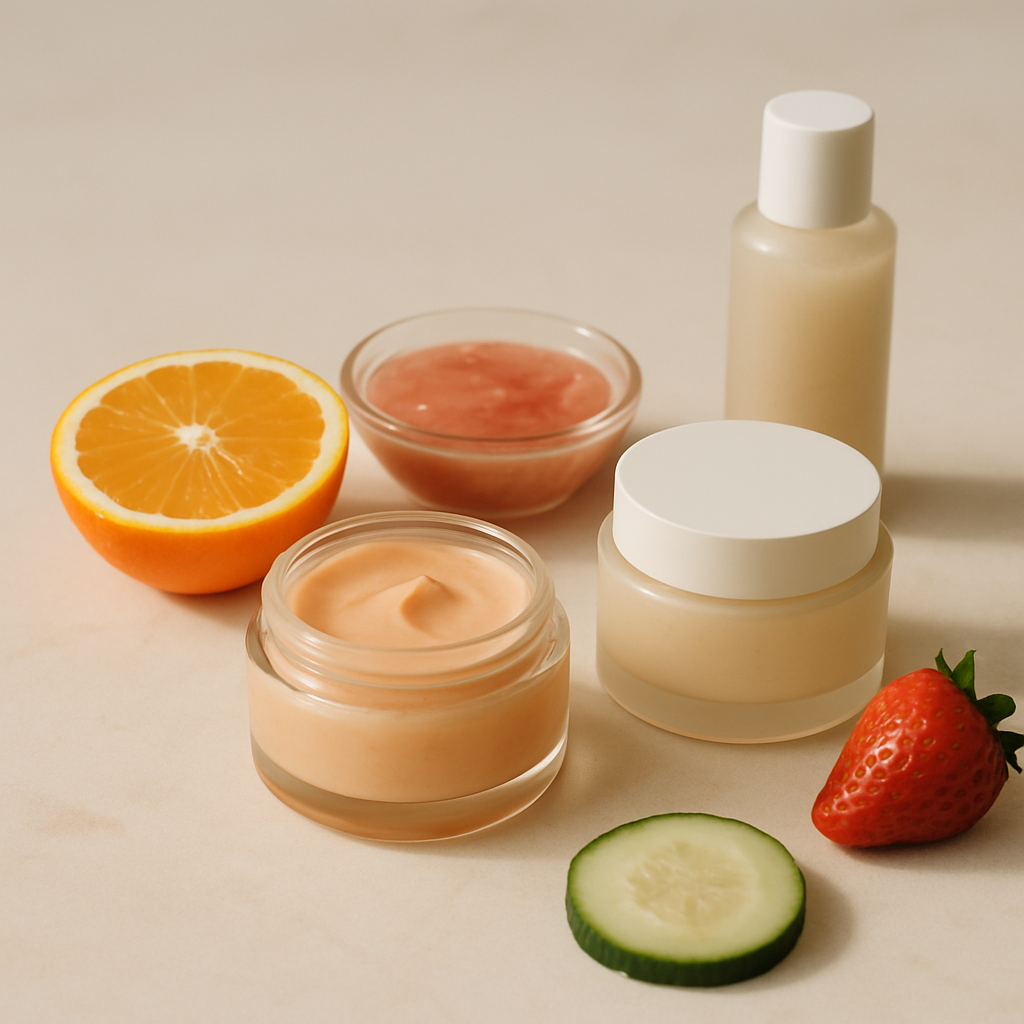
The main appeal of fruit masks is their ability to make skin look instantly fresher. Ingredients such as berries, papaya, banana, apple, cucumber, and citrus-inspired blends are often associated with brightness, softness, and a healthy-looking glow. They can also create a beautiful spa-like ritual at home, which is especially valuable when your schedule is full.
The key is to understand that natural does not automatically mean gentle for everyone. Some fruits contain natural acids or enzymes that may feel active on the skin. For sensitive, dry, or reactive complexions, a fruit mask should be mild, short in contact time, and followed by calming hydration.
For a polished routine, you can alternate a homemade fruit mask with professionally formulated natural masks. For example, when you want a cooling, fresh feeling without mixing ingredients yourself, a cooling honey-and-mint clay mask can be a practical option for a clean, refreshed finish.
How to Choose a Fruit Mask by Skin Type
The best fruit mask is not the strongest one. It is the one that suits your skin today. Skin changes with weather, stress, hormones, travel, and age, so it is useful to choose based on your current condition rather than a fixed label.
Dry or dehydrated skin
Look for creamy, comforting fruit ingredients such as banana, avocado, peach, or mango. These pair well with honey, yogurt-style textures, or plant oils in very small amounts. Avoid leaving acidic fruit blends on for too long, as dry skin may feel tight afterward.
Oily or combination skin
Choose refreshing fruits like cucumber, apple, or berry-inspired formulas. If shine and congestion are your main concerns, use fruit masks lightly and consider alternating with a clay-based option such as a charcoal and volcanic clay mask to help your skin feel clarified and smooth.
Sensitive skin
Keep it simple. Choose mild ingredients, avoid lemon juice, and always patch test. Sensitive skin often benefits more from calming botanicals than from strong fruit acids. If you experience persistent redness, burning, or irritation, consult a dermatologist before continuing.
Mature skin
Prioritize comfort, hydration, and radiance. Soft fruit blends with antioxidant-rich berries or nourishing banana can support a luminous look, while a gentle moisturizer afterward helps reduce the appearance of dryness and fatigue.
The 3-Step Minimalist Fruit Mask Routine
A fruit mask works best when it is part of a short, elegant routine. You do not need ten products. In fact, the fewer steps you use, the easier it is to understand what your skin likes.
Step 1: Cleanse gently
Start with clean skin, but do not strip it. Use a mild cleanser and lukewarm water. Avoid scrubs immediately before a fruit mask, especially if the mask contains enzymes or acids.
Step 2: Apply the fruit mask briefly
Apply a thin, even layer and leave it on for 5 to 10 minutes. If your skin is sensitive, start with 3 to 5 minutes. A mask should feel comfortable; tingling, burning, or strong heat is a sign to rinse it off.
Step 3: Rinse, hydrate, and protect
Rinse with lukewarm water and pat dry. Follow with a calming moisturizer or serum. If you use the mask during the day, finish with SPF. For a streamlined morning routine, a daytime SPF and collagen essentials set can help keep your post-mask glow protected and polished.
Fast Routines for Busy Lifestyles
Luxury skincare does not have to be slow. The best routine is the one you can repeat consistently. Here are quick fruit-mask approaches for different lifestyles.
The 10-minute morning refresh
Ideal before work, meetings, or a special daytime event. Cleanse, apply a mild cucumber or banana-based mask for 5 minutes, rinse, then moisturize and use SPF. Avoid strong acids in the morning, particularly in sunny climates.
The post-travel reset
After flights, air-conditioning, or long days, skin may look dull and dehydrated. Choose a creamy fruit mask with banana, peach, or honey. Keep the routine gentle and focus on moisture rather than exfoliation.
The evening glow ritual
If your skin looks tired after a long day, use a berry or papaya-inspired mask for a short time, then follow with nourishing care. Light a candle, prepare a calming tea, and make the ritual feel restorative rather than rushed. A gentle chamomile infusion can complement the moment beautifully.
The minimalist weekly routine
Once per week, cleanse, mask, moisturize, and sleep. This is especially useful for people who dislike complicated routines or travel often. Consistency matters more than intensity.
Choosing Masks by Age and Specific Needs
Your skin’s needs evolve, and your mask routine should evolve too. The goal is not to chase perfection, but to support skin that looks comfortable, fresh, and well cared for.
In your 20s
Focus on balance. If your skin is oily, use light fruit masks and avoid heavy layers. If breakouts are a concern, do not use aggressive DIY acids. Consult a dermatologist for persistent acne or inflammation.
In your 30s
Stress, lack of sleep, and climate changes may make dullness more visible. Use fruit masks for radiance once a week, then follow with hydration and sun protection. A minimalist routine will often work better than constantly changing products.
In your 40s and beyond
Choose masks that leave skin feeling soft, not squeaky clean. Fruit blends can refresh the look of the skin, but barrier-supporting aftercare is essential. Look for comfort, nourishment, and a supple finish.
For specific concerns
For visible shine, pair light fruit masks with occasional clay care. For dryness, choose creamy fruit textures. For sensitivity, avoid citrus and strong exfoliating combinations. For uneven tone or ongoing irritation, seek professional advice from a dermatologist.
What to Apply After a Fruit Mask
Aftercare determines whether your skin feels beautifully refreshed or slightly stressed. Once the mask is rinsed away, your skin needs calm, moisture, and protection.
Use a gentle hydrating product first, then a moisturizer if needed. If you masked in the morning, sunscreen is essential. If you masked in the evening, avoid adding strong retinoids, exfoliating acids, or harsh treatments immediately afterward unless a dermatologist has advised it.
For combination or oily skin, consider alternating fruit-mask days with a complete clarifying routine such as a complete clarifying face care set. This can be especially helpful when you prefer coordinated products rather than mixing too many steps.
AlmaDerm’s philosophy is rooted in natural care inspired by botanical and regional ingredients such as immortelle, calendula, lavender, propolis, and honey. These ingredients pair well with the idea of gentle rituals: effective, sensorial, and respectful of sensitive skin.
Common Mistakes
Fruit masks can be wonderful, but a few mistakes can make them less comfortable or less effective. Avoid the following:
- Using lemon juice directly on the face: It can be too harsh and may increase sensitivity, especially before sun exposure.
- Leaving the mask on too long: More time does not mean better results. Short contact is usually safer.
- Applying masks to irritated skin: If your skin is already stinging, peeling, or inflamed, pause active masks and consult a dermatologist.
- Mixing too many active ingredients: Do not combine fruit acids, scrubs, retinoids, and strong exfoliants in the same routine.
- Skipping SPF afterward: Freshly treated skin needs protection, particularly in sunny climates.
- Using unclean tools or old mixtures: Fresh DIY masks should be prepared hygienically and used immediately.
- Ignoring your skin type: A mask that works for oily skin may feel drying on sensitive or mature skin.
FAQ
How often should I use a fruit face mask?
Most skin types do well with a fruit mask once a week. Oily or resilient skin may tolerate twice weekly, while sensitive skin may prefer every 10 to 14 days. If irritation appears, stop and consult a dermatologist.
Can I use a fruit mask before makeup?
Yes, if it is gentle and hydrating. Choose a mild mask, rinse thoroughly, moisturize, and apply SPF if it is daytime. Avoid strong exfoliating fruit masks immediately before an important event.
Which fruit mask is best for dry skin?
Creamy options with banana, avocado, mango, or peach are usually more comfortable for dry-looking skin. Keep the mask time short and follow with a nourishing moisturizer.
Are fruit masks suitable for sensitive skin?
They can be, but only when very gentle. Avoid citrus juice, strong acids, and long application times. Always patch test, and speak with a dermatologist if your skin reacts easily.
Should I choose a DIY mask or a ready-made natural mask?
DIY masks can feel fresh and enjoyable, but ready-made masks are often more consistent and convenient. If you prefer precision, hygiene, and a polished texture, choose a professionally formulated natural mask.
Final Note
Fruit masks are best used as a refreshing ritual, not a skin challenge. Choose ingredients that match your skin type, keep the routine short, and protect your skin afterward. With a minimalist approach and gentle natural care, your complexion can look brighter, softer, and beautifully rested.
This article is for educational purposes only and does not replace professional medical advice. If you have ongoing irritation, acne, eczema, rosacea, or any skin condition, consult a qualified dermatologist.