How Avocado and Calendula Soothe and Nourish Sensitive Skin
Summer can be beautiful for the skin, but it can also be challenging: heat, sweating, air conditioning, UV exposure, salt water, and frequent cleansing may leave sensitive skin feeling tight, flushed, or uncomfortable. When your skin is reactive, the best routine is not a complicated one—it is a thoughtful one.
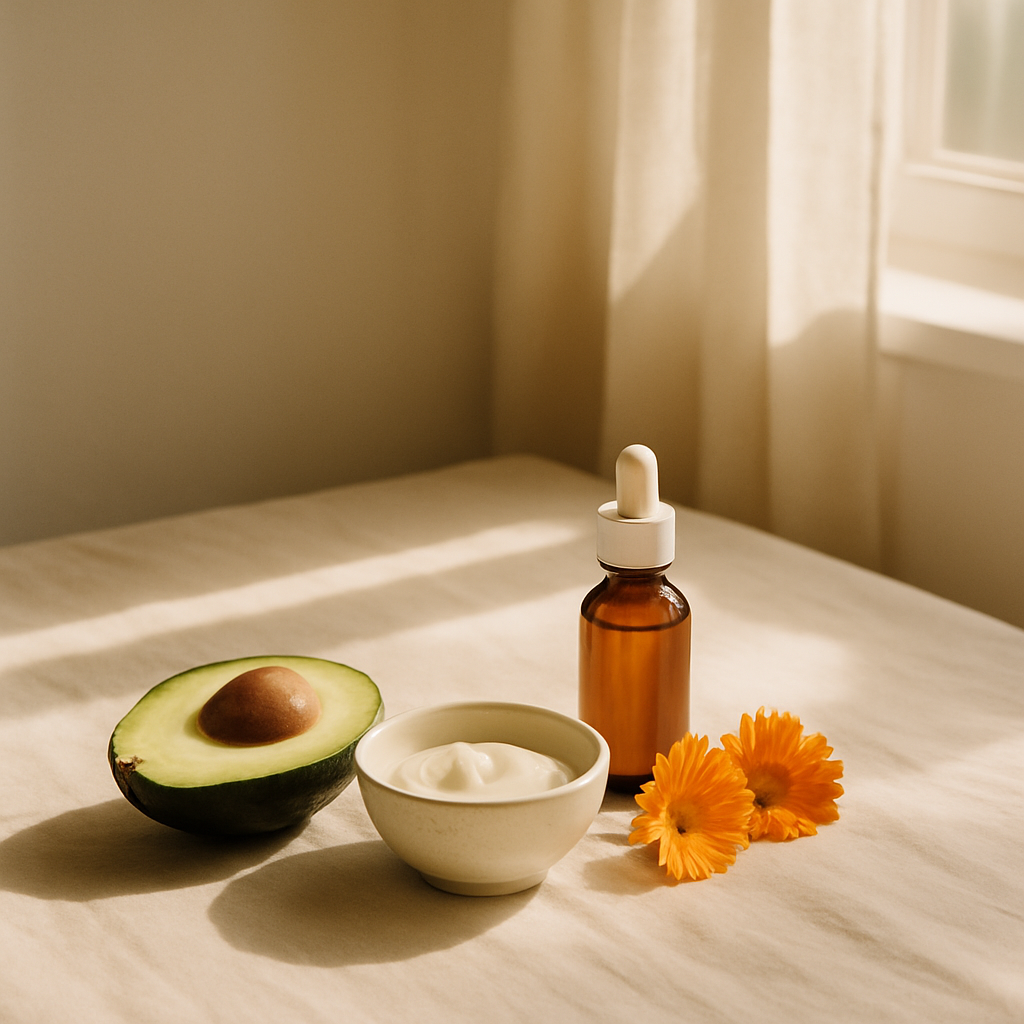
Two nature-inspired allies often mentioned in sensitive skincare are avocado and calendula. Avocado is valued for its rich, cushiony lipids and nourishing feel, while calendula is loved for its gentle, comforting character. Together, they represent a skincare philosophy that AlmaDerm deeply believes in: support the skin barrier, keep formulas kind, and choose textures according to the season.
In this summer guide, we will look at how avocado and calendula can fit into a minimalist routine, especially for sensitive, dry, combination, oily, mature, or sun-stressed skin. As always, if redness, itching, burning, or irritation persists, consult a dermatologist for personalized advice.
Table of Contents
Why Sensitive Skin Feels More Reactive in Summer
Sensitive skin is often less tolerant of sudden changes. In summer, the skin barrier may be stressed by several factors at once: stronger sun exposure, perspiration, SPF reapplication, friction from clothing, pool chlorine, sea salt, and indoor air conditioning. Even skin that is usually balanced can begin to feel dry on the surface and oily underneath.
The problem is not always a lack of products. Often, it is the opposite: too many active ingredients, heavy layers, harsh cleansers, or fragranced formulas can make the skin feel overwhelmed. Sensitive skin usually benefits from a routine that focuses on barrier support, light hydration, and calm protection.
For the UAE and other hot climates, summer skincare should be practical. Daytime textures should feel breathable, while evening care can be more nourishing if the skin feels tight or sun-exposed. Remember: natural skincare can support comfort, but it does not replace broad-spectrum SPF, shade, hats, and dermatologist guidance when needed.
Avocado and Calendula: What Makes Them So Comforting?
Avocado is naturally associated with richness. In skincare, avocado-derived oils and butters are appreciated for their emollient feel, meaning they help the skin feel softer and more comfortable. This makes avocado especially relevant for dry, mature, or barrier-stressed skin. In hot weather, however, avocado-rich textures are usually best used lightly, often at night or only on dry areas.
Calendula, also known as marigold, has a long tradition in gentle care. It is especially popular for sensitive-feeling skin because it gives formulas a soft, calming character. AlmaDerm’s calendula care reflects this tradition through local and Mediterranean-inspired natural ingredients, including calendula macerate, olive oil, and beeswax.
If your skin needs a simple comfort step, a calendula-based cream for sensitive skin can be used in a thin layer on areas that feel dry, tight, or exposed to summer stress. The key is moderation: sensitive summer skin often prefers a small amount applied thoughtfully rather than a thick layer applied everywhere.
A Minimalist 3-Step Summer Routine
When skin is sensitive, a short routine is often the most elegant routine. Think of it as three essential goals: cleanse gently, protect daily, and nourish only where needed.
Step 1: Gentle cleansing
Cleanse in the evening to remove SPF, sweat, pollution, and sebum. Avoid hot water, aggressive scrubbing, and over-cleansing in the morning. If your skin is very dry or reactive, a splash of lukewarm water in the morning may be enough before SPF.
Step 2: Daily SPF protection
Calendula and avocado can support skin comfort, but they do not replace sunscreen. In summer, use a broad-spectrum SPF every morning and reapply during prolonged outdoor exposure, swimming, or sweating. Choose a lightweight SPF texture if your skin is oily or combination, and let it fully settle before makeup.
Step 3: Targeted nourishment
At night, apply a small amount of nourishing cream only where the skin needs it: cheeks, around the mouth, dry patches, or areas exposed to wind and sun. For delicate skin that needs extra softness, a gentle cream for very sensitive skin may be a practical option, especially when you prefer a simple formula with a comforting feel.
This three-step approach is ideal for summer because it avoids heavy layering. You are giving the skin what it needs without trapping heat or increasing shine.
How to Choose by Skin Type and Age
The right product is not only about ingredients; it is also about your skin type, age, climate, and daily rhythm. Calendula and avocado-inspired care can be adapted in different ways.
Dry or mature sensitive skin
Dry and mature skin often needs more lipid support, especially after sun exposure or air conditioning. In the evening, apply a thin layer of calendula cream or a richer natural formula on areas that feel depleted. If the skin looks dull or feels less elastic, a nourishing face and body cream with argan, lavender, and immortelle can be a beautiful nighttime choice for skin that enjoys richer textures.
Oily or combination sensitive skin
Oily skin can still be sensitive. In fact, stripping it with harsh cleansers may increase discomfort and surface oiliness. Keep mornings very light: cleanse if needed, apply a lightweight SPF, and reserve richer products for small dry areas at night. Calendula cream can be used as a spot-comfort product rather than a full-face layer.
Teen and young adult skin
Younger skin often reacts to over-exfoliation, strong acne-focused products, or frequent switching between routines. Keep it simple and avoid applying heavy balms all over the face if the skin is congestion-prone. If breakouts, severe redness, or painful irritation occur, it is best to speak with a dermatologist.
Pregnancy, postpartum, and extra-sensitive phases
Skin can become more reactive during hormonal changes. Choose short ingredient lists, patch test new products, and avoid experimenting with multiple actives at once. Natural does not automatically mean suitable for everyone, so listen closely to your skin.
After-Sun Comfort Without Overloading Skin
After a day outdoors, sensitive skin needs cooling, hydration, and calm—not aggressive treatments. Start with a lukewarm shower to remove sweat, SPF, salt, or chlorine. Pat the skin dry rather than rubbing. If the skin feels warm, wait a few minutes before applying any rich cream.
For body areas that feel dry or wind-exposed, calendula can be a lovely comfort step. Apply a thin layer and allow it to absorb before dressing. If skin feels very irritated, blistered, painful, or sunburned, avoid self-treating and consult a healthcare professional or dermatologist.
For areas prone to dryness or friction—such as elbows, knees, shoulders, or around sandal straps—a richer balm-like feel can be helpful. In cases where the skin feels especially dry and uncomfortable, a comforting cream for dry, redness-prone areas may be used sparingly as part of a gentle evening routine.
Do not forget internal hydration. Drinking water, taking breaks from direct sun, and wearing breathable fabrics all contribute to skin comfort during hot months.
Fast Routines for Busy Lifestyles
Luxury natural skincare should feel enjoyable, but it should also fit real life. Here are short, efficient routines depending on your summer lifestyle.
The city professional
Morning: rinse, lightweight hydration if needed, SPF. Evening: cleanse thoroughly and apply a small amount of calendula cream to dry zones. If you spend long hours in air conditioning, focus on cheeks and around the mouth.
The beach or pool day
Morning: SPF before leaving and reapply often. After swimming: rinse off salt or chlorine when possible. Evening: gentle cleanse, cool down, then apply a thin nourishing layer on the body or face where needed. Avoid exfoliation the same day.
The frequent traveler
Flights, hotel air conditioning, and climate changes can increase sensitivity. Pack one reliable comfort cream rather than several new products. A travel-friendly sensitive-skin routine should include cleanser, SPF, and one nourishing cream. For families, the larger family-size cream for babies and sensitive skin can be useful at home for multiple dry or delicate areas.
The minimalist natural skincare lover
Use the fewest products that give consistent comfort. A gentle cleanse, daily SPF, and one targeted natural cream are enough for many people. The goal is not to cover the skin with layers, but to help it feel balanced, soft, and protected.
Common Mistakes
Even high-quality natural skincare can feel wrong if it is used in the wrong way. Avoid these common summer mistakes:
- Skipping SPF: Natural oils, butters, and botanicals do not provide reliable sun protection. Use broad-spectrum sunscreen daily.
- Applying rich creams too heavily: In heat and humidity, too much product may feel occlusive. Use a thin layer and target dry areas.
- Over-cleansing after sweating: Washing too often can leave sensitive skin tight. Rinse gently and cleanse properly in the evening.
- Exfoliating sun-stressed skin: Scrubs and strong acids can worsen discomfort after sun exposure. Give skin time to recover.
- Trying several new products at once: If your skin reacts, you will not know which product caused it. Introduce one product at a time.
- Ignoring friction: Tight clothing, masks, hats, and swimwear can irritate sensitive areas. Choose soft fabrics and cleanse sweat gently.
- Using face products everywhere without considering the area: The intimate zone and very delicate body areas need special care. For external intimate comfort, a natural cream designed for delicate intimate care may be more appropriate than a standard face cream.
FAQ
Can avocado and calendula help sensitive skin in summer?
They can be part of a comforting routine. Avocado-inspired emollients help skin feel nourished, while calendula is traditionally used in gentle care for sensitive-feeling skin. In summer, use rich textures lightly and always combine your routine with daily SPF.
Is calendula cream suitable for oily or combination skin?
It can be, but application matters. Instead of applying a rich cream all over the face, use a small amount only on dry or irritated-feeling areas, preferably in the evening.
Can I use natural creams after sun exposure?
Yes, if the skin is not burned, blistered, or severely irritated. Cool the skin first, cleanse gently, and apply a thin layer. For painful sunburn or persistent irritation, consult a healthcare professional.
Do I still need sunscreen if I use nourishing natural skincare?
Absolutely. Nourishing creams support comfort and softness, but they do not replace broad-spectrum SPF. Sunscreen, shade, hats, and reapplication are essential in summer.
How do I know if a product is right for my sensitive skin?
Patch test first, introduce one product at a time, and watch how your skin feels over several days. If you experience strong burning, swelling, persistent redness, or discomfort, stop use and speak with a dermatologist.
Final Note
Avocado and calendula represent a beautifully balanced approach to sensitive skincare: nourishment without unnecessary complexity, softness without heaviness, and comfort that respects the skin barrier. This summer, let your routine be short, consistent, and protective—cleanse gently, wear SPF daily, hydrate wisely, and nourish only where your skin asks for extra care.
Final note: This article is for educational skincare guidance and does not replace medical advice. For persistent irritation, allergies, eczema, acne, or sun damage concerns, consult a dermatologist.