Winter Body Care — Creams, Oils, and Routine for Dry Skin
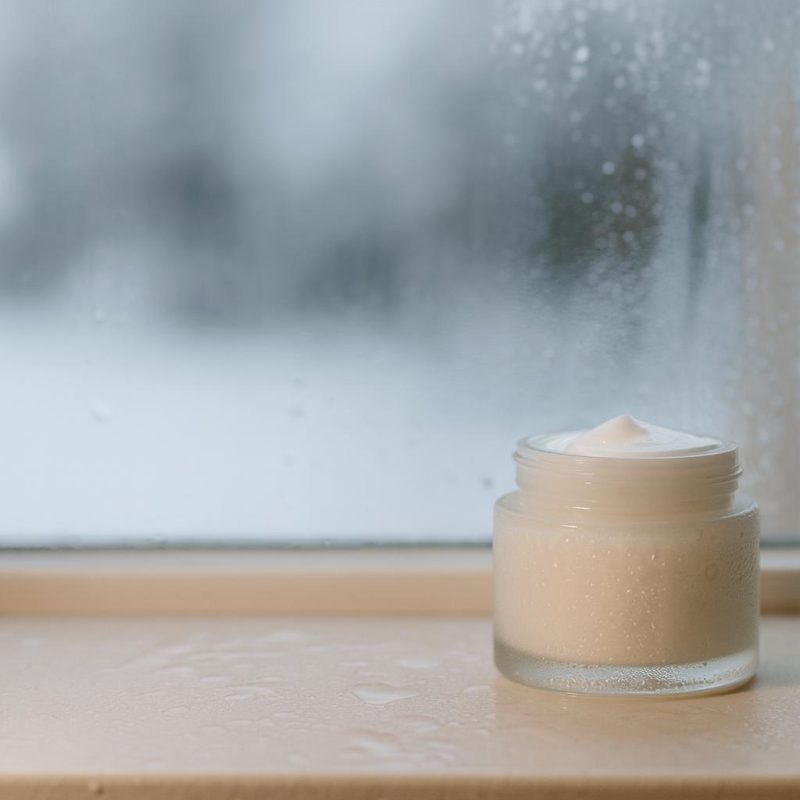
Winter means less humidity in the air, indoor heating, and rapid temperature changes when you step outside. That's why body creams are essential in winter: the goal is to restore the skin barrier, retain moisture, and ensure long-lasting protection without feeling tight or greasy.
In this guide, I explain how to choose moisturizing oils, when to exfoliate your body, which textures are best for dry skin, and how to layer protection throughout the day — morning and evening. It's time to simplify and make your routine more effective.
Contents
- Why It's Especially Important to Care for Your Body in Winter
- How to Choose Creams and Moisturizing Oils
- Body Exfoliation: When and How
- Layered Protection for Long-lasting Effect
- Step-by-step Routine (Morning and Evening)
- Common Mistakes
- Quick Product Recommendations (from AlmaDerm)
- FAQ
- Conclusion and Tips
Why It's Especially Important to Care for Your Body in Winter
In winter, humidity drops, and heating further dries out the skin. Dry skin loses elasticity and becomes prone to flaking and tightness. Using appropriate creams and moisturizing oils helps restore the lipid layer, retain moisture, and ensure comfort all day long.
How to Choose Creams and Moisturizing Oils
When choosing a body cream for winter, pay attention to texture and composition. Richer creams with glycerin, ceramides, or natural fatty oils better restore dry areas. Moisturizing oils are excellent as an addition; use them after showering while the skin is still damp — this helps retain moisture.
Ingredients to Look For
- Humectants: glycerin, hyaluronic acid (help attract moisture)
- Emollients: plant oils (e.g., argan, almond), shea butter
- Occlusives: beeswax, lanolin, or plant waxes for long-lasting protection
When to Choose Oil Over Cream
Moisturizing oils are ideal for very dry skin or as an additional layer after cream. Lighter oils adhere better and absorb quickly; thicker oils and blends create a more protective film that retains moisture. If you're looking for a specific product for massage and tension relief with hydration, check out Ulje za masažu Reumatik 50ml.
Body Exfoliation: When and How
Body exfoliation helps remove dead cells and allows creams and oils to absorb better. In winter, a gentler approach is recommended: 1–2 times a week for most skin types, while those with extremely dry skin may limit exfoliation to once a week.
Choose a gentle mechanical exfoliant (fine sugar, salt, or ground nut) or an enzymatic exfoliant that doesn't remove too much of the protective layer. After exfoliation, be sure to apply an emollient cream and/or moisturizing oil to retain moisture.
Layered Protection for Long-lasting Effect
Layered care means applying products in an order that enhances hydration and protection: first thinner, more watery products (serums or light creams), then a richer cream, and finally oil if you need an additional barrier. This method ensures long-lasting protection and reduces moisture evaporation.
Practical Layering Example
- Light moisturizing lotion or serum
- Richer creamy body emulsion
- Thin layer of oil on very dry areas (elbows, knees)
Step-by-step Routine (Morning and Evening)
Morning Routine
- In the morning, wash your body with lukewarm water — avoid hot showers that dry out the skin.
- Gently pat your skin dry with a towel, leaving it slightly damp.
- Apply a light moisturizing lotion or serum all over your body, focusing on dry spots.
- Layer a rich body cream over the lotion for long-lasting protection.
- If needed, add a few drops of moisturizing oil to knees and elbows and gently massage in.
- Dress only after the products have absorbed — this helps retain moisture in the skin.
Evening Routine
- In the evening, use a mild, creamy soap or gentle gel; avoid soaps that strip too much oil.
- Exfoliate your body 1–2 times a week (not right before going out in the cold).
- After showering, while the skin is still damp, apply a nourishing cream rich in emollients.
- For an additional barrier, apply a thin layer of oil on very dry areas.
- For hands and feet, using more intensive products before bed can help care for the skin overnight.
Common Mistakes
- Using very hot water during showers.
- Skipping the oil layer on extremely dry parts of the body.
- Exfoliating too often and aggressively.
- Choosing only light textures when a richer cream is needed.
- Not applying products immediately after showering.
- Using perfumed products that further irritate sensitive skin.
- Neglecting to protect hands and feet — often the most exposed parts in winter.
- Mixing too many active products without a break (retinoids, strong AHA/BHA) that can further dry out the skin.
Quick Product Recommendations (from AlmaDerm)
- Neven Cream 50ml — a rich and soothing cream, ideal for dry and irritated areas; can also be used for post-exfoliation care.
- Ulje za masažu Reumatik 50ml — a blend of essential oils suitable for massage and additional hydration, especially for tense muscles and dry spots.
- Natural Soap with Turmeric 100gr — a gentle soap that doesn't dry out the skin, a good choice for evening washing.
- Set for Skin Problems — 3 Products — a practical set for targeted care of irritated and dry skin, if you need a complete solution.
- Argan Hair Serum 50 ml — although intended for hair, argan oil can also be used on dry body parts, like elbows or cuticles, for extra care.
FAQ
How often should I apply body cream in winter?
For most people, twice a day is sufficient — morning and evening. If you have very dry skin, add small applications after washing your hands or whenever you feel tightness.
Are oils comedogenic and can they clog body pores?
Most plant oils are not comedogenic for body skin; however, on areas like the back, where there is more sebum, choose lighter oils or emulsions to avoid clogging pores.
Can exfoliation be harmful if I have sensitive skin?
It can be — that's why you should choose gentle formulations and reduce frequency. If you experience redness or stinging, pause and use soothing, moisturizing products.
What's better for very dry areas: cream or oil?
Both help, but the best result is achieved with a combination: cream for hydration and oil as a finishing layer to help retain moisture.
I have children — how to care for their dry skin in winter?
Use mild, unscented products. After bathing, apply a gentle cream while the skin is slightly damp. Avoid harsh soaps and very hot water.
Conclusion and Tips
Winter body care doesn't have to be complicated. Focus on regular, layered hydration: first a watery layer (lotion/serum), then cream, and finally oil if needed. Keep exfoliation gentle and infrequent, and always apply product after showering while the skin is slightly damp.
The time invested in a proper routine brings visible benefits — your skin will be softer, more elastic, and better protected from the cold and heating. Keep a small balm for hands and face in your bag, especially on Sundays or during longer outdoor stays. It's nice to know that small changes are enough for a big difference in how your skin feels.
Note: This text provides practical care tips. If you have more serious skin issues, seek the opinion of a healthcare professional.